Contact Us Today
Uncategorized
What Happens During a Professional Roof Inspection and Why Every Virginia Homeowner Should Get One Annually
September 9, 2026
Key Takeaways
- A professional roof inspection is not the same as a homeowner walking around the yard looking at their roof. A qualified inspector examines specific components, in a specific sequence, with specific knowledge of what failure looks like before it becomes visible to the untrained eye.
- The inspection covers three distinct zones: the exterior roof surface and components, the attic interior, and the exterior perimeter structures (gutters, soffits, fascia). Each zone reveals different information about the roof system’s condition.
- Virginia’s specific climate conditions, including summer heat and UV intensity, high humidity that supports biological growth, tropical storm remnants, and winter freeze-thaw cycles, create a cumulative stress environment that makes annual inspection more important here than in many other regions.
- Most roofing problems are significantly less expensive to address when caught early. An inspection that identifies a failing pipe boot or deteriorated flashing sealant saves hundreds compared to addressing the water damage those components cause after a full failure.
- After a significant weather event (hail, high wind, a major ice storm), an inspection documents the condition of the roof for insurance purposes, which is often required to support a claim. This inspection should happen before any repairs are made.
- Four Seasons Roofing provides free roof inspections across Central Virginia. An inspection costs nothing, takes less than an hour, and produces a clear assessment of what the roof needs.
The Inspection Most Homeowners Have Never Seen
For most homeowners, the roof is the most expensive component of the house that they interact with least. Roofs are hard to see from the ground, uncomfortable to access in person, and easy to ignore until something goes wrong.
The result is that most homeowners have a rough sense of how old their roof is and whether anything is visibly wrong from the yard, and that’s the full extent of their knowledge about one of the structures most responsible for protecting everything inside the house.
A professional roof inspection changes that picture. It produces specific, actionable information about a structure that most homeowners are managing blind.
This post explains exactly what a professional roof inspection involves, what the inspector is looking for in each phase of the process, what the output of the inspection looks like, and why Virginia’s specific climate conditions make annual inspection the appropriate standard for homeowners who want to stay ahead of problems rather than discover them during a storm.
What a Professional Inspection Actually Involves
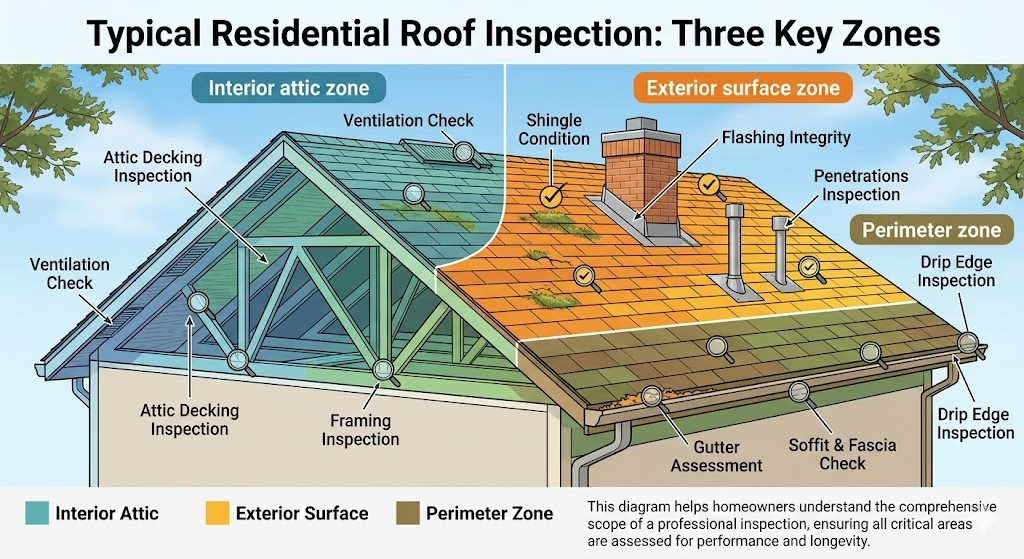
A professional roof inspection is a systematic examination of the roof system organized into three distinct zones. Each zone is examined separately because each reveals different information about the roof’s condition and performance.
Zone 1: The Attic Interior
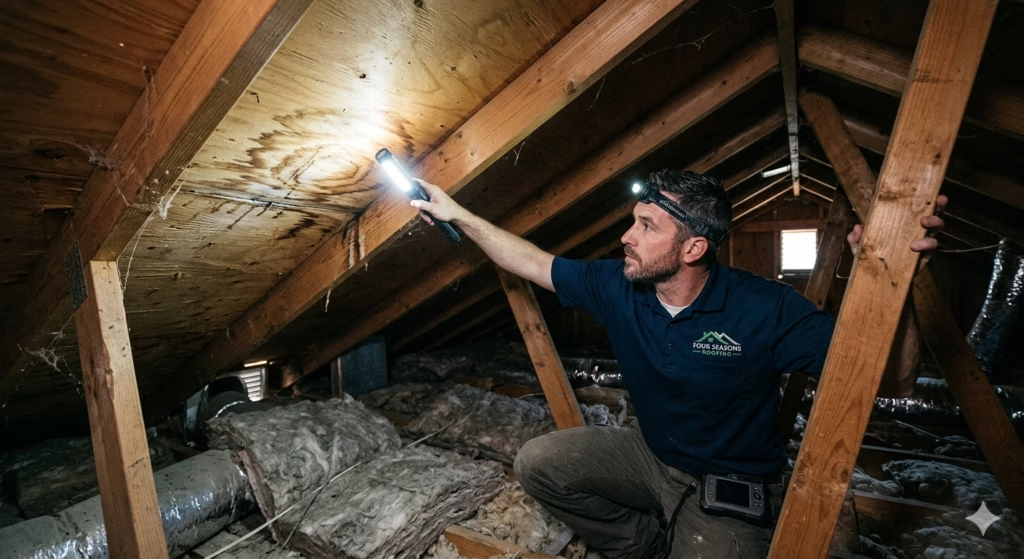
Counterintuitively, the most informative part of many roof inspections begins inside the house. The attic space reveals the consequences of what is happening on the exterior of the roof in ways that are often not yet visible from the surface.
What the inspector examines in the attic:
Decking condition: The underside of the roof sheathing is examined for water staining, soft spots, active mold growth, and any signs of structural deterioration. A stain on the attic decking represents a historical water infiltration event. Active mold represents ongoing moisture presence. Soft decking represents material that has been compromised structurally by moisture over time.
The pattern and location of any staining is diagnostic. Staining near a penetration (chimney, vent stack, skylight) suggests that specific component’s flashing has failed. Staining along a valley suggests valley failure. Staining in the middle of a shingle field suggests shingle failure above that point.
Ventilation assessment: Proper attic ventilation is critical to shingle longevity and to preventing the moisture accumulation that leads to mold and decking deterioration. The inspector assesses whether there is adequate intake ventilation at the soffits, adequate exhaust ventilation at or near the ridge, and whether the system is balanced (adequate intake and exhaust in the correct ratio).
An under-ventilated attic in a Virginia summer can reach temperatures of 130 to 150 degrees Fahrenheit. This extreme heat cooks the shingles from below in addition to the solar heat they receive from above, dramatically compressing their functional lifespan. It also creates the thermal differential that drives condensation when outside temperatures drop, introducing moisture into the attic structure.
Insulation condition: While primarily a concern for energy efficiency rather than roofing, the inspector notes whether insulation is blocking soffit vents (a common problem when additional insulation has been blown in) and whether there are signs of moisture damage to the insulation itself.
Rafter and framing condition: Any visible signs of rot, structural movement, or damage to the attic framing are noted. While full structural assessment is beyond the scope of a roofing inspection, obvious framing concerns are flagged for follow-up.
Daylight assessment: With the attic darkened, the inspector looks for daylight visible through the decking. Any daylight indicates a physical gap in the roof surface, whether from a failed penetration, separated shingles, or a crack in the decking itself.
Zone 2: The Exterior Roof Surface
The exterior inspection is the most comprehensive part of the process and the one that most people picture when they think of a roof inspection. A qualified inspector does not simply walk the surface looking for obvious damage. They systematically examine specific components in a structured sequence.
Shingle surface condition:
The inspector assesses the overall condition of the shingle surface across all slopes, noting:
- Granule coverage: Significant granule loss over wide areas indicates advancing deterioration. The inspector notes where granule loss is occurring (uniformly, in patterns, or concentrated in specific areas) because the pattern is diagnostic of the cause.
- Shingle flatness: Curling, cupping, or lifting at the edges or tabs indicates moisture-related or adhesion-related failure that increases storm vulnerability.
- Surface cracking or brittleness: Asphalt that has been significantly photo-oxidized becomes brittle and may show surface cracking, particularly along shingle edges that flex with thermal cycling.
- Algae and moss presence: Dark streaking indicates algae colonization (typically Gloeocapsa magma). Textured growth indicates moss establishment. Both conditions indicate that biological activity is actively occurring on the shingle surface, and moss in particular creates physical shingle damage through its root structures.
- Shingle integrity: Missing shingles, cracked shingles, or shingles that have slid out of position are noted specifically, along with the location and approximate count.
Flashing assessment:
This is the portion of the inspection that produces the most actionable findings, because flashing is the most common source of roof leaks and the most often overlooked by non-professionals.
The inspector examines every flashing installation on the roof:
- Chimney flashing: The base flashing at the chimney foundation, the step flashing along the chimney sides, and the counter-flashing embedded in the chimney mortar are examined separately. The inspector checks for gaps between flashing and masonry, deteriorated sealant, rust on the metal components, and any lifting or separation of the flashing from the surfaces it bridges.
- Valley flashings: Open valley metal and closed valley shingles are examined for proper lapping, sealant condition, and any debris accumulation that may be creating a dam in the valley.
- Pipe boot and penetration flashings: Every plumbing vent stack has a rubber boot collar that seals the annular space between the pipe and the roofing material. Virginia’s UV and heat stress these rubber components, causing them to crack and separate over time. The inspector checks each boot for cracking, lifting, or pulling away from the pipe.
- Dormer and wall flashings: Step flashings along dormer walls and apron flashings at the base of wall intersections are examined for proper installation, sealant condition, and any signs of separation.
- Skylight curb flashings: If present, skylight curbs are among the most complex and most failure-prone flashing assemblies on a roof. The inspector examines the curb seal, the step and counter-flashing condition, and any drainage issues at the skylight’s corners.
Ridge cap condition:
The ridge cap shingles that cover the peak of every gabled or hipped roof section take the most direct wind exposure on the entire roof and are often the first shingles to show failure. The inspector checks for lifting, cracking, or missing ridge cap shingles along every ridge line.
Roofing penetration assessment:
Beyond pipe boots, the inspector notes the condition of any other roof penetrations: exhaust fan vents, HVAC unit curbs, antenna mounts, satellite dish bases, and any other element that interrupts the continuous roof surface.
Deck integrity:
Soft spots in the roof deck are identifiable by the flexing of the surface when walked on. The inspector notes any areas where the decking feels less firm than the surrounding area, indicating moisture damage to the sheathing below the shingles.
Zone 3: The Perimeter Structures
The exterior perimeter of the roof, including the gutters, downspouts, soffits, and fascia, is examined in the third phase of the inspection. These components are directly affected by the roof’s performance and often provide additional diagnostic information about how the roof system is functioning.
Gutter condition and installation:
- Granule accumulation: Gutters that are cleaned periodically and still show significant granule accumulation between cleanings indicate active granule loss from the shingles above.
- Gutter attachment: Gutters that are pulling away from the fascia, sagging, or showing visible gaps at seams indicate that the gutter system is not functioning to move water away from the foundation as intended.
- Drainage function: Any visible staining on the exterior siding or foundation below gutter sections that are functioning poorly indicates ongoing water management problems.
- Gutter condition: Rust, holes, or separation at gutter seams indicate that the gutter itself needs attention.
Four Seasons Roofing addresses gutter services as part of their overall roof system approach, because gutters are an integral part of the water management system that a well-functioning roof depends on.
Soffit and fascia:
The soffit (the horizontal underside of the eave overhang) and fascia (the vertical board at the eave edge where gutters attach) provide significant diagnostic information:
- Water staining on the soffit below any section of the roof indicates water infiltration above that location
- Rot in the fascia indicates that water has been overflowing the gutter onto the fascia board or that the fascia is experiencing end-grain moisture exposure
- Paint peeling on soffits often indicates excessive attic moisture being transmitted through the soffit material
Drip edge condition:
The drip edge metal that runs along the eave and rake edges of the roof is examined for corrosion, lifting, or separation from the roof deck edge that it protects from water intrusion.
What the Inspection Report Includes
At the conclusion of a professional inspection, the homeowner receives a report that translates the inspection findings into actionable information.
A thorough inspection report from Four Seasons Roofing includes:
Overall condition assessment: A summary of the roof’s overall condition status: sound and requires no immediate action, showing early signs of aging that should be monitored, showing specific problems that warrant repair, or at end of service life and requiring replacement.
Specific findings with location: Each problem identified during the inspection is noted with its specific location on the roof (which slope, which distance from the ridge or eave) and a description of the condition observed.
Recommended action for each finding: Each finding is paired with a specific recommended action: no action needed at this time, monitor at the next inspection, repair this specific component, or full replacement recommendation.
Prioritization: For roofs with multiple findings, a good inspection report distinguishes between findings that require immediate attention (active water intrusion risk before the next rainfall), findings that should be addressed in the current season, and findings that are early indicators of a longer-term trend that should be tracked.
Photographic documentation: Photographs of key findings from the inspection provide the homeowner with visual documentation of the conditions observed. These photographs also serve as the baseline condition record for insurance purposes.
Why Virginia’s Climate Makes Annual Inspection the Right Standard
The appropriate inspection frequency for a roof is not universal. In some climates, a biennial inspection may be entirely adequate. Virginia’s specific climate conditions are one reason that annual inspection is the appropriate standard here.
The Annual Stress Load Virginia Roofs Absorb
A Virginia roof experiences more diverse and cumulative climate stress in a single year than roofs in many other regions:
Summer heat and UV: From May through September, Virginia roofs absorb sustained UV and thermal stress that accelerates asphalt binder photo-oxidation and granule displacement at a rate that the national average does not reflect.
Humidity and biological growth: Virginia’s high relative humidity through the spring, summer, and fall provides ideal conditions for algae and moss colonization. Biological growth that is not addressed progresses from cosmetic to physically damaging within a few growing seasons.
Tropical storm remnants: The late summer and fall storm season brings wind events that test adhesive bonds, expose failing flashings, and drive rain into vulnerabilities that normal rainfall never reaches.
Winter freeze-thaw cycling: Virginia winters include enough below-freezing events to create ice dam potential at poorly ventilated eaves and to subject any existing crack or gap to the expansion-contraction cycle of freezing water.
Each of these stress factors operates throughout specific seasons of the year. Taken together, they produce more annual wear on a Virginia roof than the same shingles would experience in a more moderate climate.
The Economic Argument for Annual Inspection
The economics of roofing maintenance follow the pattern of most deferred maintenance: early intervention is cheaper than late intervention, almost without exception.
A $0 annual inspection that identifies a failed pipe boot leads to a $150 to $300 repair.
The same failed pipe boot discovered after a season of water infiltration leads to a repair that includes the pipe boot plus the water-damaged decking, underlayment, and interior ceiling below it: $1,500 to $4,000 or more depending on the scope of the damage.
The inspection cost is zero through Four Seasons Roofing. The annual maintenance commitment is the time to schedule and be present during the inspection. Against the cost of deferred failure, this is not a close comparison.
The Insurance Documentation Value
Virginia homeowners who experience storm damage to their roof typically need to file an insurance claim to fund the repair or replacement. The insurance claim process works best when the pre-storm condition of the roof is documented.
An annual inspection report that establishes the pre-storm baseline condition of the roof provides critical documentation for a post-storm claim. It demonstrates that the roof was in serviceable condition before the storm and that the damage documented after the storm represents a new condition caused by the storm event rather than pre-existing deterioration.
Without this baseline documentation, insurers have more grounds to attribute post-storm damage to pre-existing wear, which can result in reduced claim payouts or claim denials.
When to Schedule: Timing the Annual Inspection
For Virginia homeowners, the optimal timing for an annual inspection takes into account the state’s seasonal weather pattern.
Spring inspection (March through May): The most common and generally optimal timing. A spring inspection assesses any damage accumulated over the winter from ice, freeze-thaw cycling, and the increased wind of late-winter storms. It also positions the homeowner to address any findings before summer storm season begins.
Late summer inspection (August through September): A secondary inspection after the most active storm season months can document any storm-related damage before it worsens through the fall and winter, and before insurance claim filing deadlines have passed for the summer’s events.
Post-storm inspection: Following any significant weather event (hail of any size, winds above 50 mph, a significant ice storm), a professional inspection should be scheduled to document the post-storm condition before any repairs are made. This inspection is the foundation of any storm damage insurance claim.
Before buying or selling a home: A professional roof inspection before the purchase of a home provides an independent assessment of the roof’s condition and estimated remaining service life. Before selling, an inspection helps establish what, if any, roof work is needed to support a clean transaction.
What to Expect When You Schedule a Four Seasons Roofing Inspection
For Central Virginia homeowners who have never had a professional roof inspection, here is what the experience looks like:
Scheduling: Contact Four Seasons Roofing to schedule the inspection. The call typically takes five to ten minutes: your address, the approximate age of your roof if known, any specific concerns you’ve noticed, and a mutually convenient time.
Arrival: A Four Seasons Roofing inspector arrives in a clearly identified vehicle with appropriate safety equipment and inspection tools.
Pre-inspection conversation: The inspector asks a few questions to focus the inspection: how old is the roof, have you noticed any staining on the ceiling or attic, have there been any recent weather events that raised concerns, are there any specific areas you’ve seen something unusual?
The inspection: The inspector works through the three zones described in this post systematically. The total time on site is typically 45 minutes to an hour for a standard residential roof.
The findings conversation: At the conclusion of the inspection, the inspector walks through the findings with you: what was observed, what it means, what action (if any) is recommended, and what the priority level of each finding is.
The written report: A written report with findings and photographs follows the inspection.
No obligation: The inspection is free and produces no obligation. If the roof is in good condition, that is the finding. If the roof has specific problems, the inspector explains what they are and what addressing them involves. The decision about whether and how to proceed belongs to the homeowner.
Schedule a free roof inspection with Four Seasons Roofing to get a clear, professional assessment of your specific roof before the next storm season arrives.
Common Questions About Roof Inspections
How often should I have my roof inspected? For Virginia homes with asphalt shingle roofs, annual inspection is the appropriate standard given the climate stress outlined above. Homes with metal roofing or BRAVA composite tiles may be appropriately inspected every two to three years given those materials’ greater durability, though annual inspection of the perimeter and flashing components remains worthwhile.
Can I do my own roof inspection? A homeowner can observe certain things from the ground or from the attic that are meaningful indicators of roof health, as outlined in our post on warning signs to watch for before storm season. But a professional inspection examines components that require roof access, technical knowledge, and a trained eye to evaluate correctly. The two approaches are not substitutes for each other.
What if the inspector finds something wrong? The inspector’s finding is information, not a commitment. Understanding what is wrong and what it means allows you to make an informed decision about how to respond, whether that is an immediate repair, a planned repair in the current season, or a full replacement conversation.
Does my homeowner’s insurance cover the inspection? In most cases, a routine annual inspection is not a covered insurance benefit. However, a post-storm inspection conducted to document potential storm damage is often a required first step in a claim process. If you’re unsure whether your insurer covers any portion of inspection cost, a call to your agent clarifies this quickly.
What if I have an older roof? Older roofs need inspection more frequently than newer ones, not less. A roof approaching 20 years of age in Virginia’s climate deserves an annual inspection as a minimum, and the findings of that inspection are the basis for planning whether to extend the roof’s life through targeted repairs or to plan for proactive replacement before a storm event forces an emergency replacement.
The Bottom Line
A professional roof inspection is not a complicated or time-consuming event. It is a systematic examination of a structure that most homeowners manage without adequate information, conducted by someone who knows what failure looks like before it becomes obvious, in a climate that creates more annual roof stress than most homeowners realize.
The inspection costs nothing. The inspection typically takes less than an hour. The information it produces allows you to manage one of your home’s most important components with the same care that you would give to any major system.
For Central Virginia homeowners, annual inspection is the appropriate standard. The alternative is discovering problems during a weather event, which is when problems are most expensive and most disruptive.
Schedule your free roof inspection with Four Seasons Roofing or call 434-390-0199 to get on the schedule before storm season arrives.
Why Schedule a Call?
Popular Insights
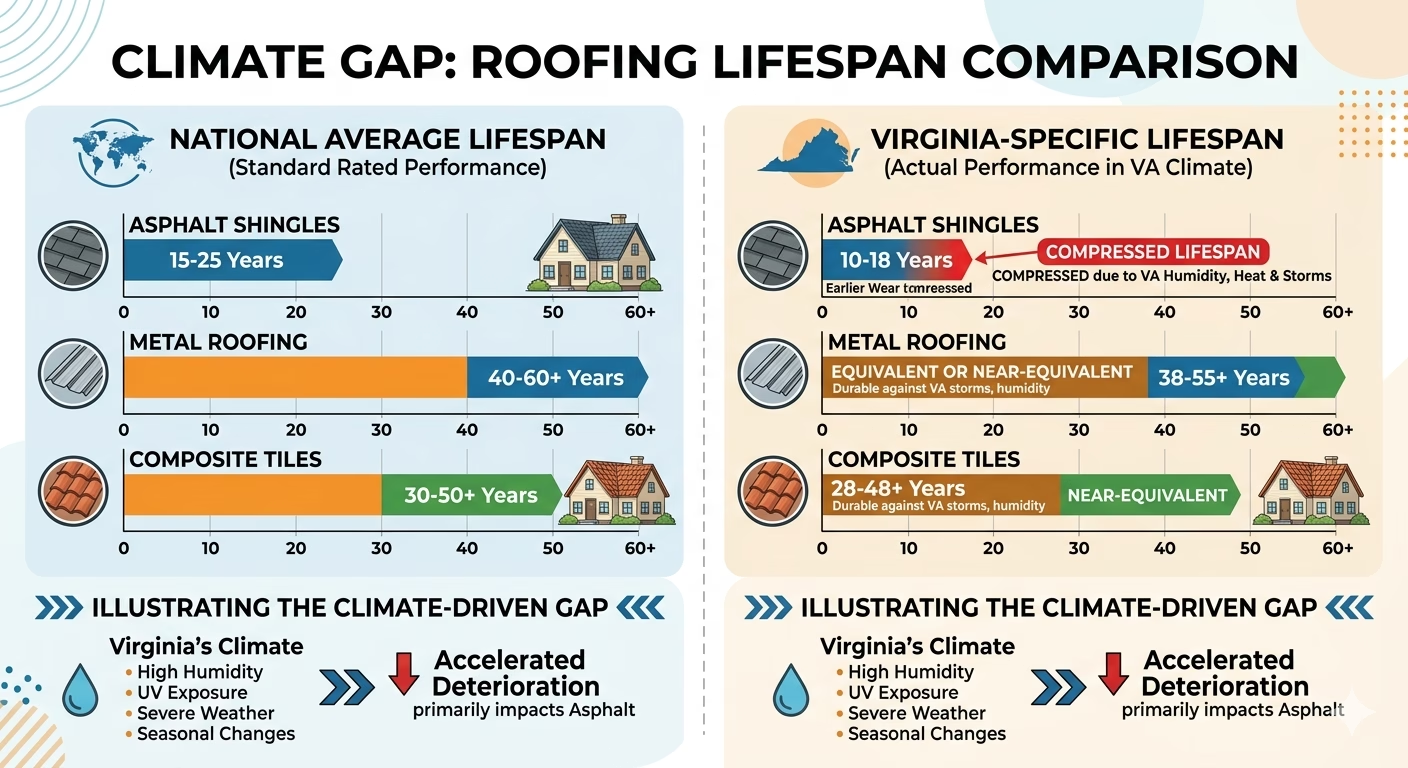
How Long Does a Roof Last in Virginia? Lifespan by Material in a Hot, Humid Climate
Sep. 16, 2026What Happens During a Professional Roof Inspection and Why Every Virginia Homeowner Should Get One Annually
Sep. 09, 2026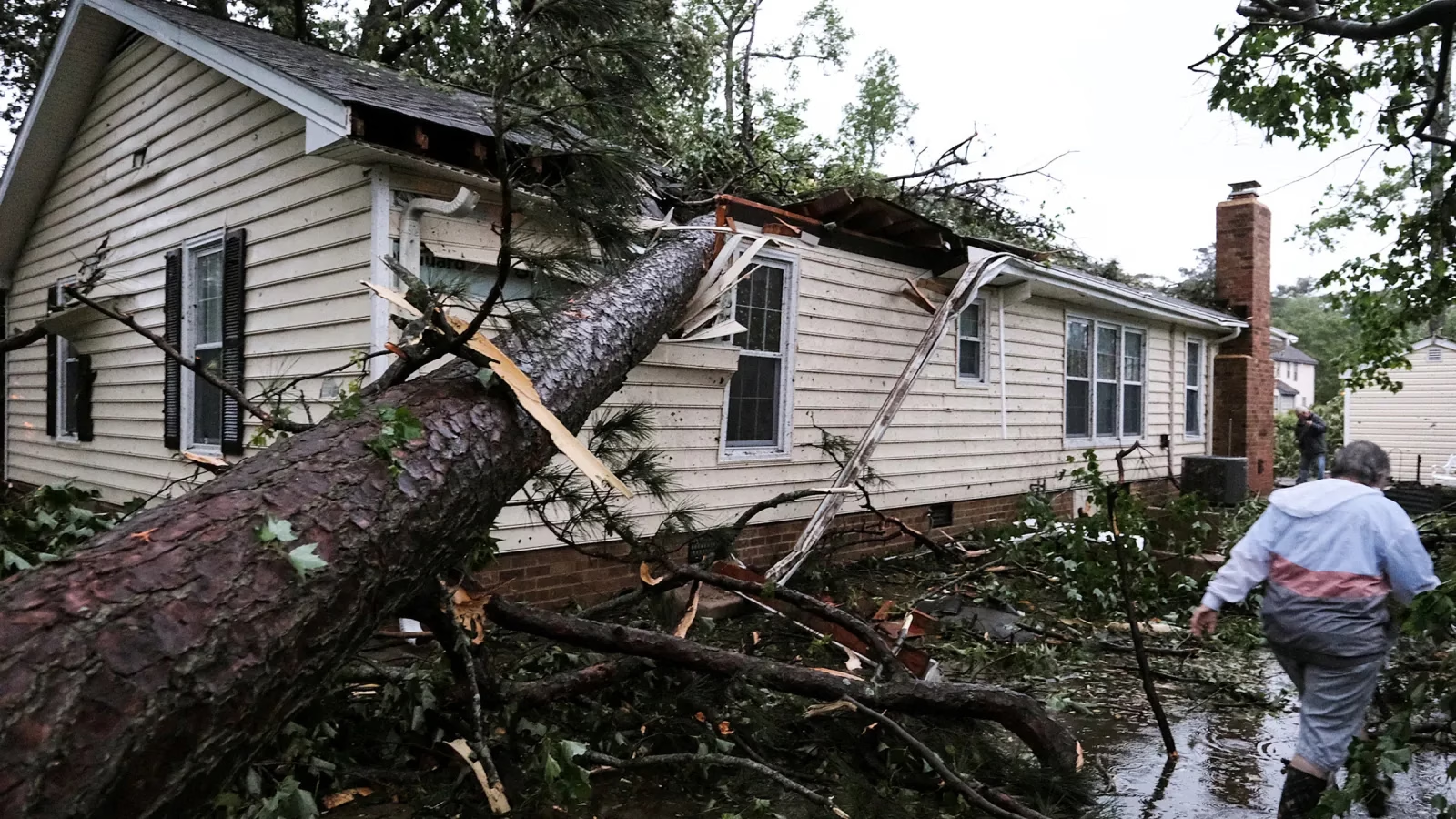
5 Signs Your Virginia Home Needs a New Roof Before Next Hurricane Season
Sep. 02, 2026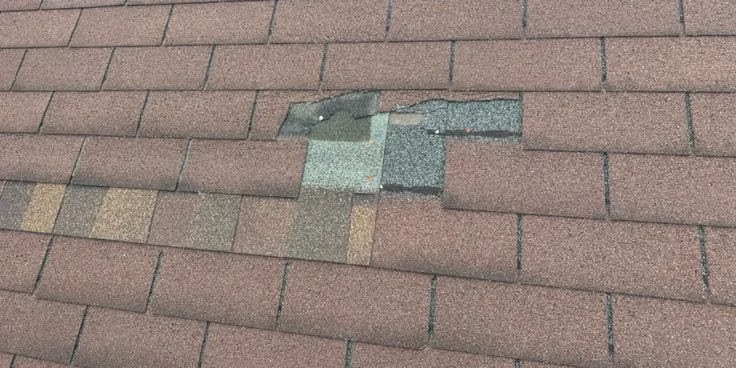
How Virginia’s Humidity and Heat Cycles Damage Asphalt Shingles Faster Than You’d Expect
Aug. 26, 2026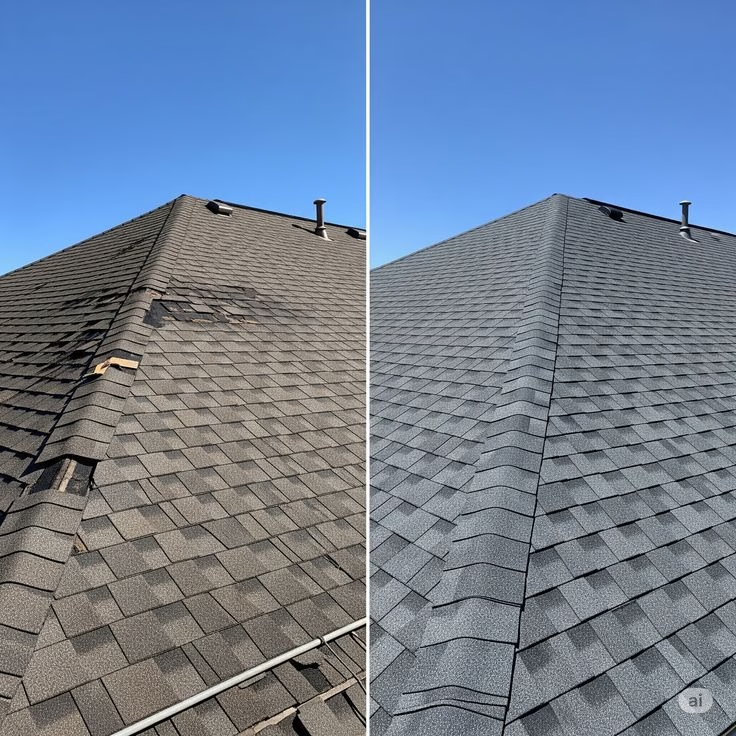
Roof Repair vs. Full Replacement: How to Know Which One Your Central Virginia Home Actually Needs
Aug. 19, 2026Topics
Our Services
- Gutter Services
- Storm Damage Roofing
- Commercial Roofing Service
- BRAVA Cedar Shake Roofing Tile
- Insurance Claim Assistance
- Residential Roofing Services
- Roof Inspection Services
- Roof Repair Service
- Roof Replacement Service
- Shingle Roofing Service
- Metal Roofing Service
- Emergency Roof Repair Services
- BRAVA Spanish Tile
- BRAVA Slate Tile