
Contact Us Today
Uncategorized
How Long Does a Roof Replacement Take in Virginia?
November 13, 2026
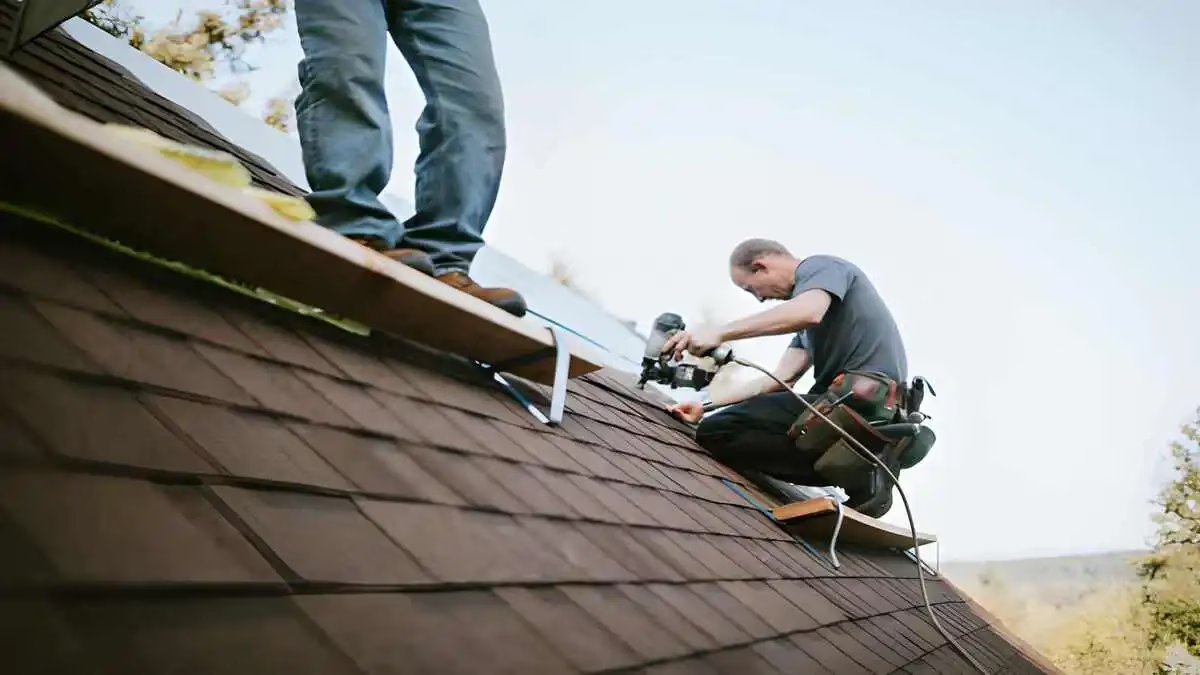
Why the Timeline Question Matters More Than Most People Think
When a homeowner calls a roofing contractor, they are rarely in a calm, no-pressure situation. The roof is either actively leaking, visibly failing, or the subject of a recent inspection that delivered bad news. The replacement is not something they planned for this month.
In that context, one of the first questions anyone asks is: how long is this going to take?
The honest answer has two parts. The first is the physical installation timeline, which for most homes in Central Virginia is measured in days. The second is the full process timeline, from first call to finished job, which involves several stages that happen before and after the crew ever gets on the roof.
Understanding both parts prevents the most common source of homeowner frustration: assuming the project will move at the speed of the installation when there are several legitimate steps that happen first.
The Full Roof Replacement Timeline: Stage by Stage
Stage 1: The Initial Inspection (Day 1 to Day 3)
Every roof replacement starts with an inspection. Not an estimate over the phone, and not a quote based on square footage alone. A proper inspection by a qualified roofing professional, conducted on the roof, with eyes on the decking condition, flashing, ventilation, and every penetration and transition point.
This inspection serves two purposes. First, it tells the contractor what the roof actually needs. Second, it gives the homeowner an accurate picture of what they are paying for and why.
What a thorough inspection covers:
- Overall condition and remaining life of the existing roofing material
- Decking condition, with note of any areas that appear soft or show signs of moisture infiltration
- Flashing condition at chimneys, walls, valleys, and penetrations
- Ventilation adequacy and ridge/soffit balance
- Gutter condition and integration with the roof edge
- Any storm damage indicators that would support an insurance claim
For homeowners whose damage may be storm-related, this inspection also becomes the documentation that supports an insurance claim. Four Seasons Roofing provides roof inspection services specifically designed to give homeowners a clear, professional assessment — including the kind of documented findings that matter when working with an insurance adjuster.
Realistic timeline for this stage: Same-day to 3 days after first contact in most cases. Scheduling windows vary by season. Spring and summer, which are peak demand periods in Central Virginia, may extend the wait for an initial inspection appointment.
Stage 2: Proposal, Material Selection, and Approval (Day 3 to Day 10)
After the inspection, the contractor prepares a proposal that outlines the scope of work, materials specified, and total cost. For straightforward replacements, this can happen the same day as the inspection or within 24 to 48 hours.
The homeowner’s review and approval of the proposal is the next gating step. This is also where material selection happens, which affects lead time for materials.
Material lead time realities in Central Virginia:
- Architectural shingles: Standard products from major manufacturers are typically available from regional distributors within 1 to 5 business days. Custom colors or premium product lines may take longer.
- Metal roofing: Standing seam metal panels are often fabricated to the specific dimensions of each project. Lead times of 1 to 3 weeks from order to delivery are common.
- BRAVA synthetic tile products: Lead times vary by product and color. Confirming availability at the time of order is the right approach rather than assuming standard stock.
For homeowners choosing a standard architectural shingle in a common color profile, the material lead time rarely delays the project. For homeowners choosing metal roofing or a premium specialty product, building that lead time into the project schedule from the beginning is important.
If an insurance claim is involved: The claim approval process adds time to this stage. After the inspection and documentation are submitted, insurance adjusters typically complete their review within 5 to 15 business days. Disputed claims or supplemental documentation requests can extend this further. Starting the claim process as early as possible not after the contractor is already scheduled keeps the overall project on track.
Realistic timeline for this stage: 3 to 14 days, depending on material selection, insurance involvement, and how quickly the homeowner approves the proposal.
Stage 3: Scheduling and Pre-Installation Coordination (Day 7 to Day 21)
Once materials are ordered and the proposal is approved, the project gets scheduled on the contractor’s calendar. Scheduling lead time varies significantly by season and contractor workload.
Seasonal scheduling realities in Central Virginia:
- Spring (March through May): High demand season. Storm damage from winter, combined with homeowners who deferred fall projects, creates a backlog for most reputable contractors. Scheduling lead times of 2 to 4 weeks are not unusual during peak spring periods.
- Summer (June through August): Continued high demand, with heat affecting daily installation windows. Afternoon thunderstorms, which are common across the Virginia Piedmont in summer, can interrupt or delay installation days.
- Fall (September through November): Often the best scheduling window of the year. Demand is slightly lower, weather conditions are more favorable for installation, and asphalt shingles seal properly in moderate temperatures.
- Winter (December through February): Scheduling availability is typically highest. Cold temperatures affect asphalt shingle sealing performance, but experienced crews manage this with appropriate techniques. For homeowners with a failing roof that cannot wait for spring, winter installation is practical and preferable to continued deterioration.
What to do before the crew arrives: The contractor will communicate specific preparation steps, but the standard list includes:
- Move vehicles out of the driveway to provide clear access and protect them from falling debris
- Clear the garage if it is attached, particularly items that could be damaged by vibration
- Remove or cover items in the attic that could be affected by debris falling through during tear-off
- Let neighbors know the project is scheduled, particularly if parking or noise will affect them
- Temporarily relocate pets to a quieter area of the home or off-site for the installation day
Realistic timeline for this stage: 3 to 21 days depending on season and contractor workload.
Stage 4: The Installation (Day 1 to Day 3 of Active Work)
This is the stage everyone visualizes when they think about roof replacement. The crew arrives, the old roof comes off, and the new one goes on.
For most Central Virginia residential projects, the physical installation spans one to three days. Here is what actually happens during that window.
Day 1: Tear-off and decking inspection
The first task is removing the existing roofing material. For a standard single-layer shingle roof on an average-sized Central Virginia home, this typically takes a half day to a full day depending on crew size and roof complexity.
Once the decking is exposed, the crew inspects every section. This is the moment of truth for the project timeline and budget. Soft spots, rot, delamination, and previous repair patches that were done incorrectly all show up during this inspection. Any compromised decking sections need to be replaced before new material goes on.
What decking replacement means for your timeline and budget:
Decking replacement is not a red flag about the contractor or the project. It is a reality of roofing work, particularly on homes where the existing roof has been failing for some time. Replacing a few sheets of damaged plywood typically adds half a day to the timeline and several hundred dollars to the cost. Extensive decking damage can add a full day and $1,500 to $4,000 or more.
A reputable contractor communicates decking findings clearly before proceeding, provides a revised cost estimate for approval, and documents the replaced areas. This is not a surprise add-on. It is part of doing the job correctly.
Day 1 continued: Underlayment installation
Once the decking is confirmed sound, ice-and-water shield goes on first at the eaves, valleys, and around all penetrations. Synthetic underlayment follows across the field of the roof. This layer is the secondary moisture barrier and needs to be installed before any primary roofing material.
Day 2 (and Day 3 if needed): Primary roofing material installation
Shingle installation proceeds from the eaves upward. For metal roofing, panel installation follows the specific sequencing required for the panel profile being used. Flashing is installed at every transition point as the material progresses across the roof.
Ridge cap installation completes the primary roofing work. Ridge vent installation is coordinated with ridge cap on roofs with continuous ridge ventilation.
Same day or Day 2: Cleanup
A professional crew manages cleanup continuously throughout the installation, not just at the end. Debris, old shingles, nails, and packaging material are collected and removed. A magnet is run across the driveway, lawn, and surrounding areas to collect stray fasteners. The site should be clean before the crew leaves each day, not just at the end of the project.
Stage 5: Final Inspection and Walkthrough (Same Day or Day After Installation)
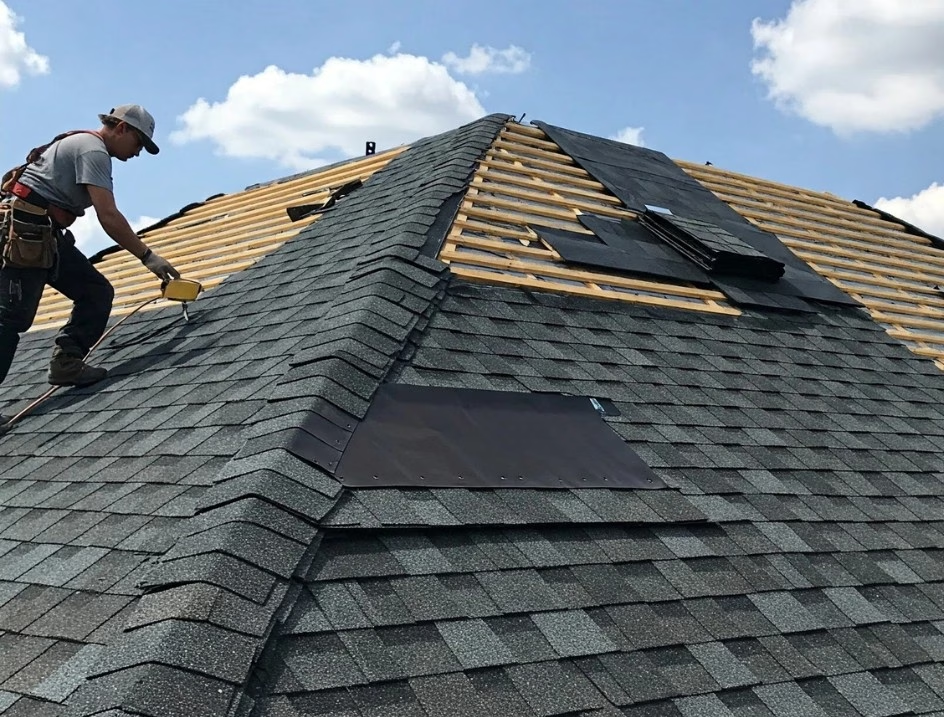
A reputable contractor does not consider the job complete when the last nail is driven. A final inspection of the finished roof, including all flashing, ridge work, penetrations, and gutters, is part of a professional installation.
This inspection is also an opportunity for the homeowner to ask questions, confirm the scope was completed as specified, and note any concerns while the crew is still on-site or easily reachable.
What to look for during the final walkthrough:
- Ridge cap fully installed and sealed
- All penetrations (vents, chimneys, skylights) flashed and sealed correctly
- Drip edge properly integrated with gutters
- No visible nail pops or improperly seated shingles
- Gutters reattached and clear of debris from the installation
- Site cleanup complete, including nail sweep of the surrounding area
Four Seasons Roofing’s commitment to clear communication throughout the process means homeowners are informed at every stage, from inspection findings to installation progress to final completion confirmation.
What Causes Delays: The Honest List
Understanding what legitimately delays a roof replacement helps homeowners plan and reduces frustration when timelines shift.
Weather. Shingle installation requires dry conditions and temperatures above approximately 40°F for proper sealing. Metal roofing can be installed in a wider temperature range but not in active precipitation. In Central Virginia, summer afternoon thunderstorms, spring rain, and winter cold snaps all create legitimate installation weather windows that contractors have to work around. A crew that installs in conditions that will compromise the material is not doing the homeowner a favor.
Hidden decking damage. Discovered after tear-off, requiring material procurement and additional labor. Described in detail above.
Insurance adjusters. When a claim is involved, the adjuster’s schedule and response time are outside everyone’s control. Starting the claim early is the best mitigation.
Material availability. Common shingle products are rarely a lead time issue. Specialty metal profiles, custom colors, and BRAVA products can have lead times that extend the scheduling window. Confirm availability at the time of material selection.
Permit processing. Some Virginia localities require permits for roof replacements. Permit processing times vary by jurisdiction, ranging from a few days to several weeks. A contractor familiar with local requirements handles this proactively.
Crew scheduling in peak season. A reputable contractor with a full schedule during spring and early summer may not be able to start immediately. Waiting a few weeks for a qualified crew is almost always better than taking the next available slot from an unknown contractor.
The Impact on Daily Life: What to Actually Expect
Most homeowners are home during a roof replacement without significant disruption. A few practical realities are worth knowing.
Noise. Roof work is loud. Air-powered nail guns, material being moved across the roof surface, and debris removal all create sustained noise. Most installations run from roughly 7 AM to 5 PM. If you work from home or have young children who nap, plan accordingly.
Vibration. Particularly during tear-off, vibration through the structure can knock pictures off walls and shift items on shelves. Taking down anything fragile before work begins is worth the few minutes it takes.
Dust and debris. Small amounts of attic dust and debris can work their way through ceiling fixtures during aggressive tear-off. Covering furniture or electronics in the attic and directly below the roof surface with drop cloths is a reasonable precaution on older homes.
Access. The crew needs clear access to the driveway, the area around the home’s perimeter, and the staging area for a dumpster or material drop. Plan for that space to be occupied for the duration of the project.
Pets. The noise level and activity around the home can distress pets. Having them in a quieter part of the house or at a neighbor’s or boarding facility for the installation day is worth considering.
How Four Seasons Roofing Keeps Central Virginia Projects on Track
Four Seasons Roofing has been completing residential roofing projects across Central Virginia for over 14 years. The family-owned, Amish-craftsmanship approach that defines the company’s work shows up in how every project is managed: clear upfront communication, honest findings during the inspection phase, and crews that show up when scheduled and work to completion without dragging a job across unnecessary extra days.
For homeowners dealing with storm damage who need to move quickly, the storm damage roofing services include rapid assessment, insurance documentation support, and prioritized scheduling for active damage situations.
For homeowners planning a proactive replacement on their own timeline, the full range of residential roofing services covers every material option, from architectural shingles to standing seam metal to BRAVA synthetic tile systems.
Frequently Asked Questions About Roof Replacement Timelines in Virginia
Can a roof replacement be done in one day?
Yes, for smaller homes with simple roof geometry and a full crew. A 1,500 to 2,000 square foot home with a straightforward gable or hip roof and no significant decking damage can realistically be torn off and re-roofed in a single day. Larger homes, complex rooflines, or significant decking replacement typically require two to three days.
What happens if it rains during my roof replacement?
If rain is forecast, a professional crew either schedules around it or stages the work so that any exposed decking area can be protected with tarps before precipitation arrives. Partial tear-off followed by proper temporary protection is standard practice for managing weather during multi-day installations. A crew that leaves exposed decking unprotected overnight is not operating professionally.
Do I need to be home during the roof replacement?
Not necessarily. Many homeowners are away at work during the installation. The crew needs access to the exterior of the home, not the interior. Confirm with the contractor what access is needed for material staging and dumpster placement, and ensure the crew lead has a way to reach you if unexpected findings require a decision.
Will the crew clean up the nails in my yard?
A professional crew uses a rolling magnet across the driveway, lawn, and surrounding areas at the end of each workday and again at project completion. This is standard practice, not an optional extra. Ask about it explicitly when vetting any contractor.
How far in advance should I schedule a roof replacement in Virginia?
In spring and early summer, scheduling 3 to 6 weeks in advance is reasonable for a planned replacement. In fall, 1 to 3 weeks is more typical. For urgent situations involving active leaks or storm damage, contact the contractor immediately and describe the urgency. Reputable contractors prioritize active damage situations.
Ready to Get Started?
The first step is a roof inspection. That inspection establishes exactly what your roof needs, what it will cost, and how quickly the project can move forward. It takes less than an hour and gives you everything you need to make a clear decision.
Contact Four Seasons Roofing to schedule your free roof inspection or call the team directly at 434-390-0199.
Clear information. Honest timelines. Quality work on every project.
Why Schedule a Call?
Popular Insights
How Long Does a Roof Replacement Take in Virginia? A Realistic Timeline from Inspection to Cleanup
Nov. 13, 2026
Roof Financing in Virginia: How to Pay for a Replacement When You’re Not Ready to Pay Cash
Nov. 06, 2026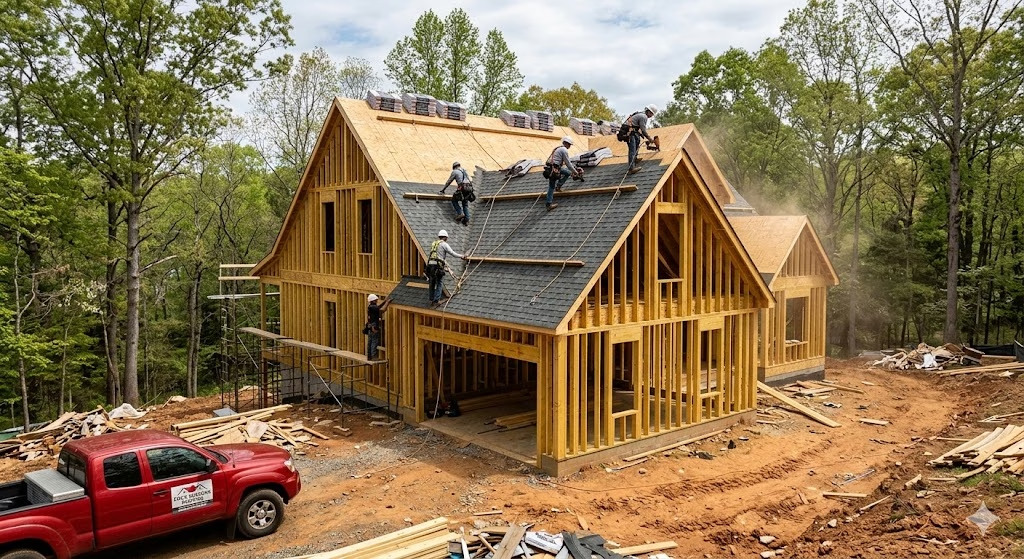
New Construction Roofing in Central Virginia: What Builders and Homeowners Should Spec from Day One
Oct. 30, 2026
Metal Roofing and Solar Panels in Virginia: What You Need to Know Before Installing Both
Oct. 26, 2026
Can a New Roof Lower Your Virginia Energy Bills? What to Expect by Material and Season
Oct. 21, 2026Topics
Our Services
- Gutter Services
- Storm Damage Roofing
- Commercial Roofing Service
- BRAVA Cedar Shake Roofing Tile
- Insurance Claim Assistance
- Residential Roofing Services
- Roof Inspection Services
- Roof Repair Service
- Roof Replacement Service
- Shingle Roofing Service
- Metal Roofing Service
- Emergency Roof Repair Services
- BRAVA Spanish Tile
- BRAVA Slate Tile