
Contact Us Today
Uncategorized
Summer Roof Replacement: The Pros and Cons of Seasonal Timing
June 3, 2026
Key Takeaways
- The “Seal-Down” Advantage: Summer heat helps asphalt shingle adhesives bond faster, creating a superior watertight seal.
- The Humidity Hurdle: High dew points in Virginia can lead to trapped moisture if a contractor isn’t careful with underlayment timing.
- Storm Season Readiness: Replacing your roof in early summer ensures you are protected before the peak of hurricane and tropical storm season.
- Logistics Matter: Summer is the busiest season; booking early is the only way to avoid the “August Rush.”
The Central Virginia Summer Roofing Paradox
If you ask ten homeowners in Richmond or Charlottesville when the best time to replace a roof is, eight will likely say “Summer.” In many ways, they are right. The long daylight hours and consistent temperatures are ideal for roofing crews.
However, Virginia summers aren’t just sunny; they are notoriously humid and prone to sudden, violent afternoon thunderstorms. At Four Seasons Roofing, we’ve mastered the art of the “Summer Install.” Here is why summer is a double-edged sword for your home’s most important shield.
The “Best”: Why Summer Heat is a Shingle’s Best Friend
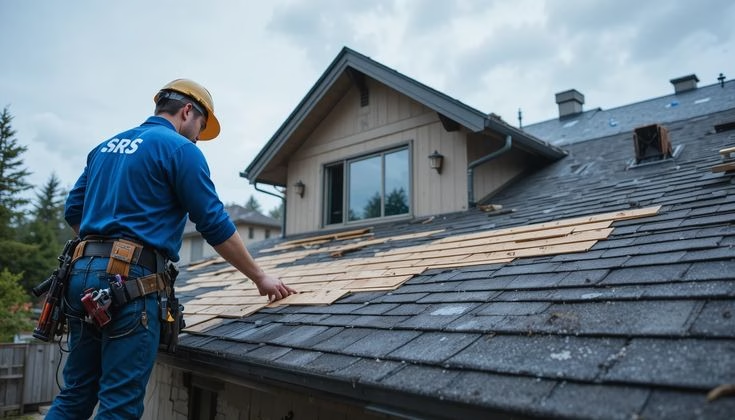
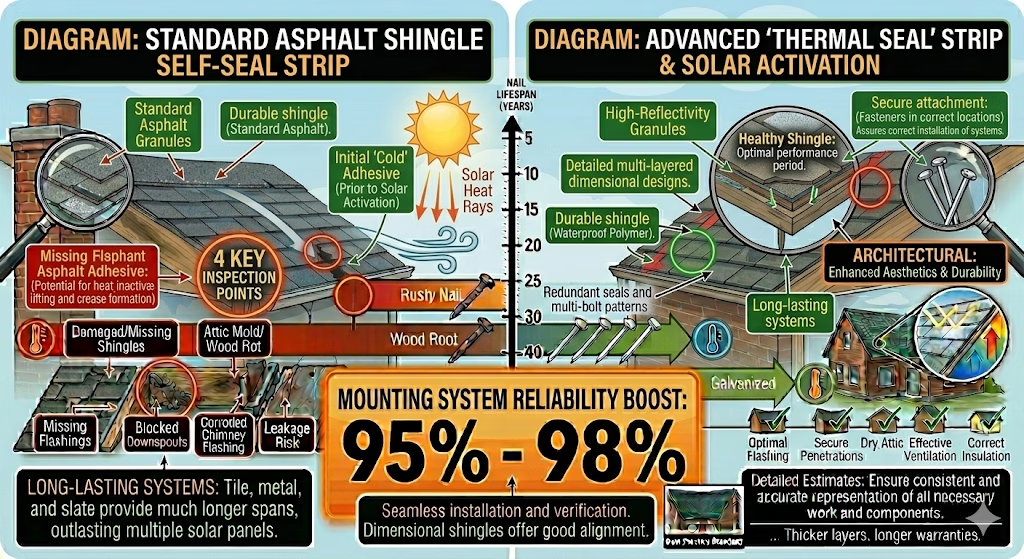
Asphalt shingles aren’t just nailed down; they are heat-activated. Every shingle has a strip of sealant that requires a specific thermal threshold to “bond” to the layer beneath it.
- Faster Curing: In the 80°F to 90°F range, shingles seal almost instantly. This creates a monolithic barrier that is much more resistant to wind uplift.
- Flexibility: Warm shingles are easier to cut and install without cracking. This ensures a precision fit around complex roof features like chimneys and valleys.
If you are considering a residential roof replacement, the early summer months provide the perfect “Goldilocks” temperature for this bonding process.
The “Worst”: The Challenges of the Virginia Heatwave
While the heat helps the shingles, it can be brutal on the structure and the crew. A professional contractor handles summer differently than a “budget” crew.
1. The Humidity Trap
Central Virginia’s high dew points mean that moisture can settle on the roof deck in the early morning. If a crew rushes to dry-in a roof while the wood is still damp from morning dew, they can trap that moisture under the underlayment, leading to premature rot or mold.
2. Scuffing and Softening
On a 95°F day, asphalt shingles can actually become too soft. If a crew isn’t careful, their boots can “scuff” the protective granules off the surface of the new shingles. We mitigate this by starting at daybreak and utilizing specialized “soft-sole” techniques to protect your investment.
Timing the Storms: Beat the Late-Summer Rush
One of the biggest reasons to schedule your roof work in early summer is the Atlantic Hurricane Season. By late August and September, Central Virginia often sees the remnants of tropical systems that bring days of sustained rain.
If your roof currently has minor leaks or wind damage, waiting until the fall could result in a much more expensive interior repair bill. Getting ahead of the storm season ensures your home’s “envelope” is sealed before the heavy rains arrive.
Don’t Forget the “Supporting Cast”: Gutters and Airflow
Summer is also the best time to evaluate your home’s cooling efficiency. A new roof is the perfect opportunity to upgrade your gutter system.
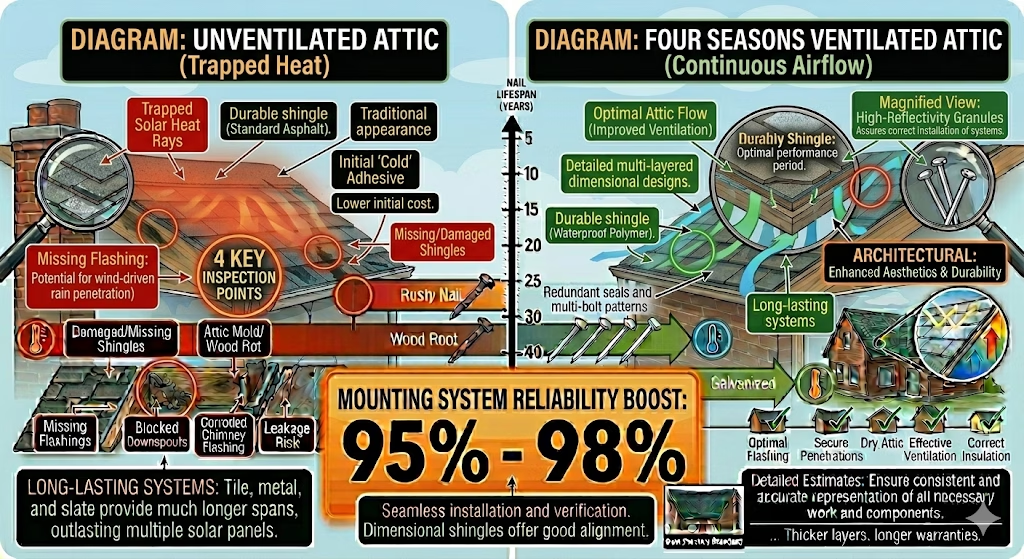
Information Gain Tip: In the summer, your attic can reach 150°F. If your new roof doesn’t include a calculated ridge-and-soffit ventilation upgrade, those brand-new shingles will “cook” from the inside out. We ensure your roof breathes properly, which can actually lower your summer cooling costs by up to 15%.
Is Your Roof Ready for the Virginia Sun?
Summer is a season of high rewards and high risks in the roofing industry. Choosing a team that understands the local climate—someone who knows how to navigate the humidity and the heat—is the difference between a roof that lasts 15 years and one that lasts 30.
Don’t wait for the August heatwave. At Four Seasons Roofing, we combine Amish-quality heritage with modern Virginia expertise. Let’s get your home protected before the next thunderstorm rolls in.
Contact Four Seasons Roofing for a Summer Installation Quote
Why Schedule a Call?
Popular Insights
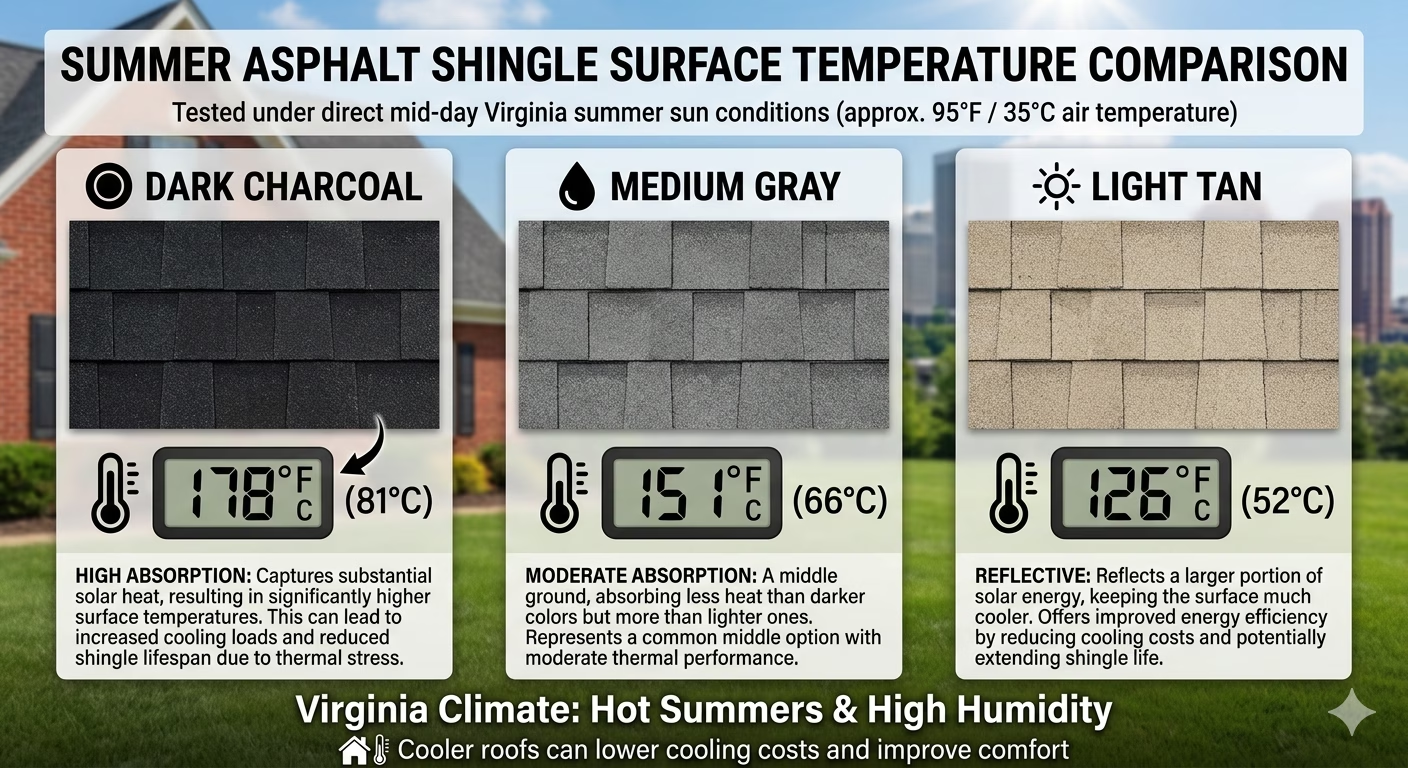
Can a New Roof Lower Your Virginia Energy Bills? What to Expect by Material and Season
Oct. 21, 2026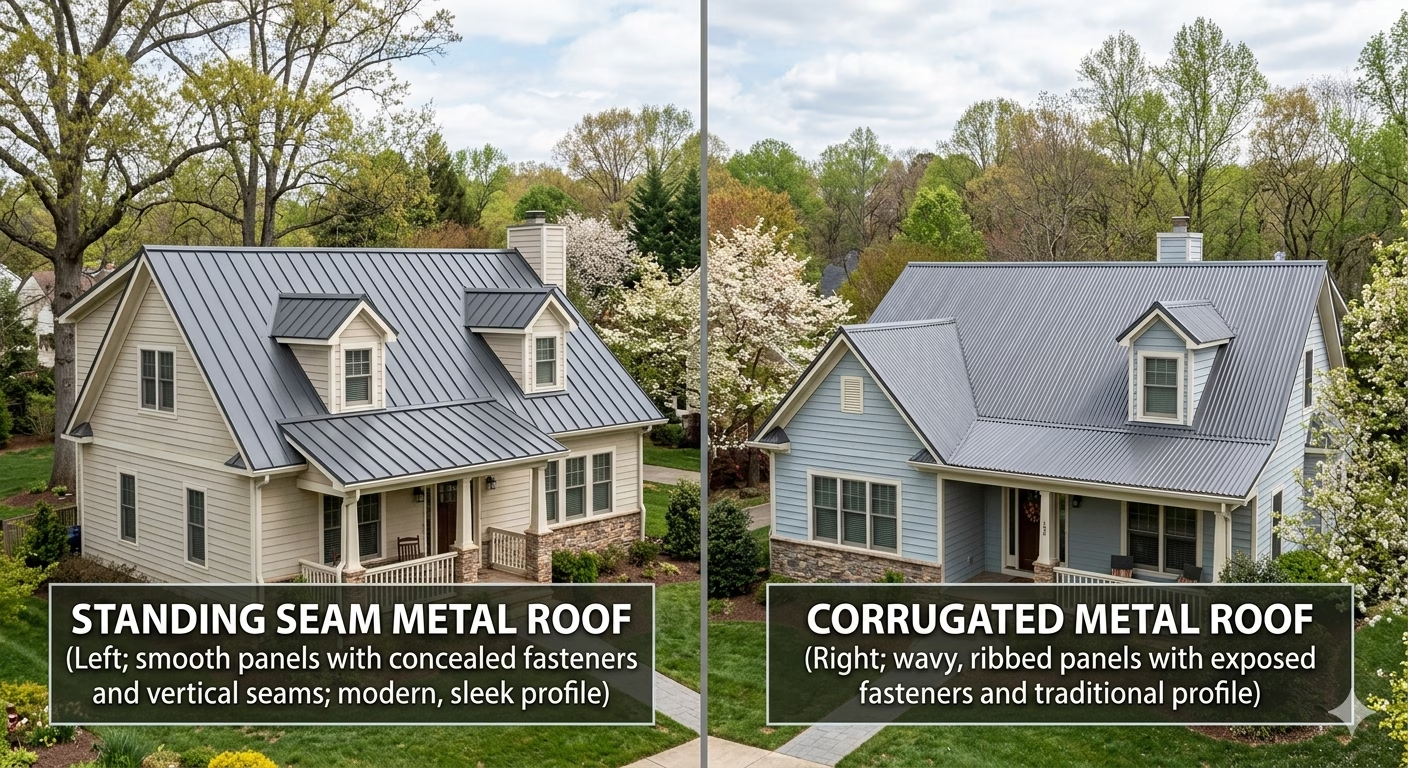
Roof Repair vs. Replacement: Assessing Your Virginia Home’s Needs
Oct. 09, 2026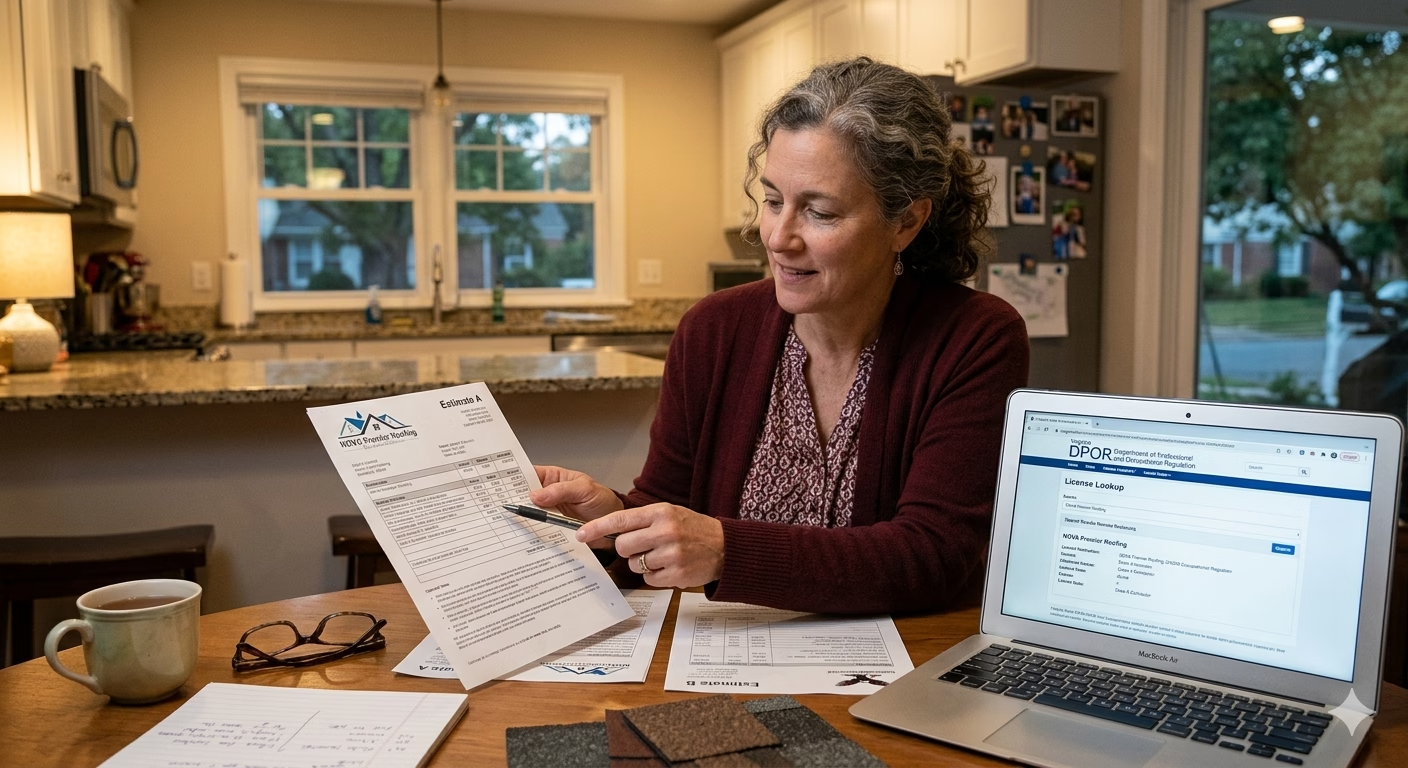
How to Choose a Roofing Contractor in Virginia: 6 Questions That Separate Professionals from Fly-by-Nights
Oct. 02, 2026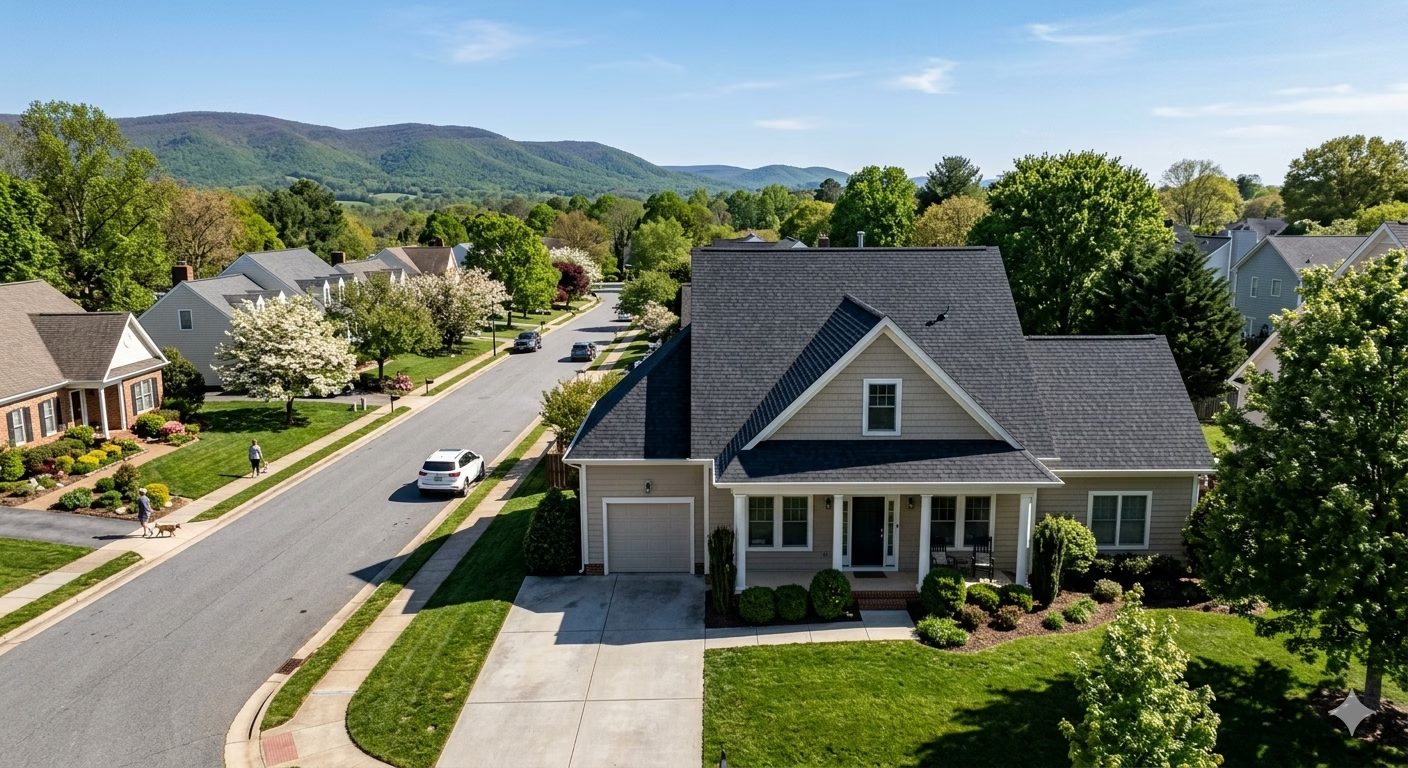
New Roof Installation in Lynchburg, VA: What Homeowners Can Expect from Estimate to Final Day
Sep. 25, 2026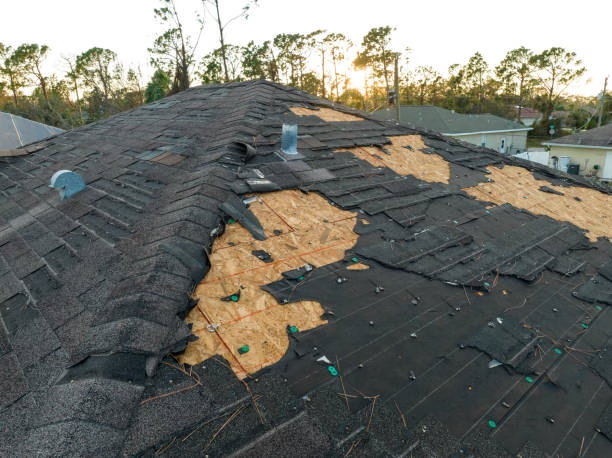
Storm Damage Roofing in Central Virginia: What to Do in the First 24 Hours After Your Roof Is Hit
Sep. 23, 2026Topics
Our Services
- Gutter Services
- Storm Damage Roofing
- Commercial Roofing Service
- BRAVA Cedar Shake Roofing Tile
- Insurance Claim Assistance
- Residential Roofing Services
- Roof Inspection Services
- Roof Repair Service
- Roof Replacement Service
- Shingle Roofing Service
- Metal Roofing Service
- Emergency Roof Repair Services
- BRAVA Spanish Tile
- BRAVA Slate Tile