
Contact Us Today
Uncategorized
BRAVA Composite Roofing: Why Virginia Homeowners Choose It
July 15, 2026
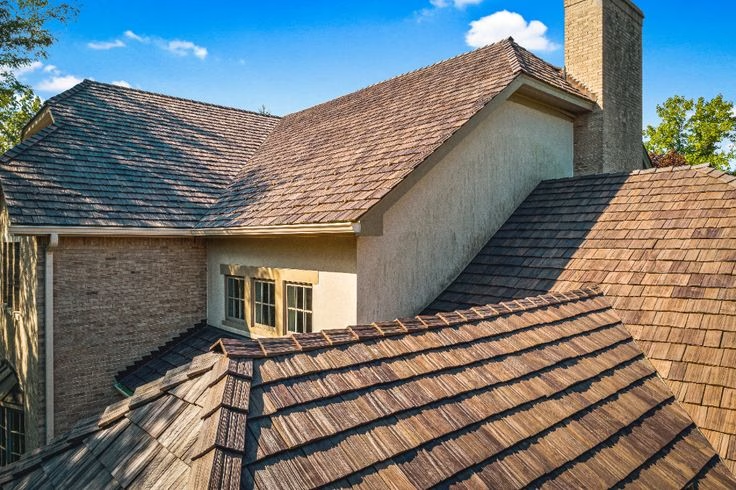
Understanding the Benefits of BRAVA Composite Roofing
- BRAVA composite roofing tiles are made from recycled materials and engineered to replicate the look of cedar shake, Spanish tile, and natural slate with significantly better long-term performance.
- Natural cedar shake in Virginia’s climate requires regular maintenance, is susceptible to rot and moss, and carries a Class C or no fire rating. BRAVA Cedar Shake is Class A fire-rated and engineered to resist the same problems that shorten natural cedar’s lifespan.
- Natural slate is one of the heaviest roofing materials available, often requiring structural reinforcement. BRAVA Slate delivers the same aesthetic at a fraction of the weight, with no additional engineering required on most homes.
- BRAVA products carry a 50-year limited warranty, outperforming the 25 to 30-year lifespan of architectural asphalt shingles and the 20 to 30-year practical lifespan of natural cedar in Virginia’s climate.
- Virginia’s humidity, freeze-thaw cycles, and wind exposure create specific conditions where BRAVA’s resistance to moisture, impact, and thermal cycling offers a measurable advantage over natural materials.
- Four Seasons Roofing is a certified BRAVA installer serving Central Virginia, offering all three tile styles: Cedar Shake, Spanish Tile, and Slate.
The Problem With “Real” Premium Roofing Materials
Walk through older neighborhoods in Charlottesville, Staunton, or any historic corner of Central Virginia and you’ll spot them: slate roofs that have been doing their job for 80 or 100 years. Cedar shake homes that looked magazine-worthy when they were new. Spanish tile on a house with the kind of architectural character that newer construction rarely matches.
These materials have earned their reputation. Natural slate, cedar, and clay tile are beautiful, distinctive, and genuinely long-lasting when they’re installed correctly and maintained properly.
The problem is the “maintained properly” part.
Natural cedar shake in Virginia’s climate is a maintenance project from year one. The combination of summer humidity, seasonal moisture cycles, and organic debris accumulation creates ideal conditions for moss, algae, and the slow rot that shortens cedar’s functional lifespan from a theoretical 30 years to a practical 15 to 20 in many cases. Cedar also carries significant fire vulnerability, a real concern in wooded Central Virginia neighborhoods.
Natural slate solves the fire and rot problems but introduces a different one: weight. Real slate roofing can add 800 to 1,500 pounds per square (100 square feet) to a structure. Many homes built in the last 50 years are not engineered to carry that load without modification, which adds cost and complexity to a project that’s already expensive.
Clay Spanish tile shares many of slate’s weight challenges and is brittle enough that walking on it during inspection or repair can crack individual tiles, turning a maintenance visit into an unplanned replacement.
BRAVA composite roofing was engineered to solve these problems without sacrificing what people actually love about premium natural materials: the appearance, the character, and the sense of permanence.
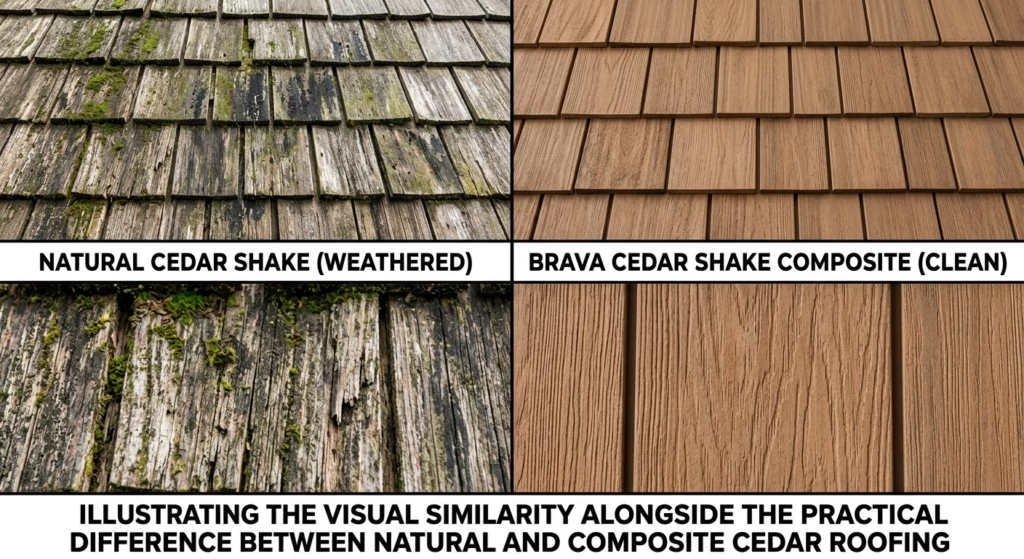
What BRAVA Composite Tiles Are Actually Made Of
BRAVA tiles are manufactured from a proprietary polymer composite that incorporates recycled content. The material is engineered to replicate the surface texture, dimensional depth, and color variation of natural roofing materials while addressing the performance limitations of those originals.
The manufacturing process creates tiles with:
- Dimensional consistency that natural materials can’t match. Real cedar shakes vary in thickness and texture because they’re split from logs. BRAVA tiles are manufactured to precise dimensions, which makes installation more predictable and reduces labor time.
- Engineered color stability. Natural slate and cedar both change color over time as they weather. BRAVA tiles use UV-stabilized pigments blended through the material, not just surface-coated, which means color doesn’t fade the way paint or surface treatments do.
- Integrated impact resistance. BRAVA tiles carry a Class 4 impact resistance rating, the highest available from the Insurance Institute for Business and Home Safety (IBHS). This rating reflects the ability to withstand 2-inch diameter steel ball impacts and is directly correlated with hail performance.
- Moisture resistance throughout the material. Unlike cedar, which is wood and absorbs moisture, or clay, which is porous and can allow freeze-thaw damage to penetrate the body of the tile, BRAVA’s polymer composite does not absorb water.
- Class A fire rating. This is the highest fire resistance classification in roofing. Natural cedar typically rates Class C at best, and untreated cedar carries no rating. This distinction matters significantly in Central Virginia’s wooded residential areas.
The Three BRAVA Styles and Who They’re Right For
Four Seasons Roofing installs all three BRAVA tile profiles across Central Virginia. Each targets a different aesthetic and a different set of homeowner priorities.
BRAVA Cedar Shake
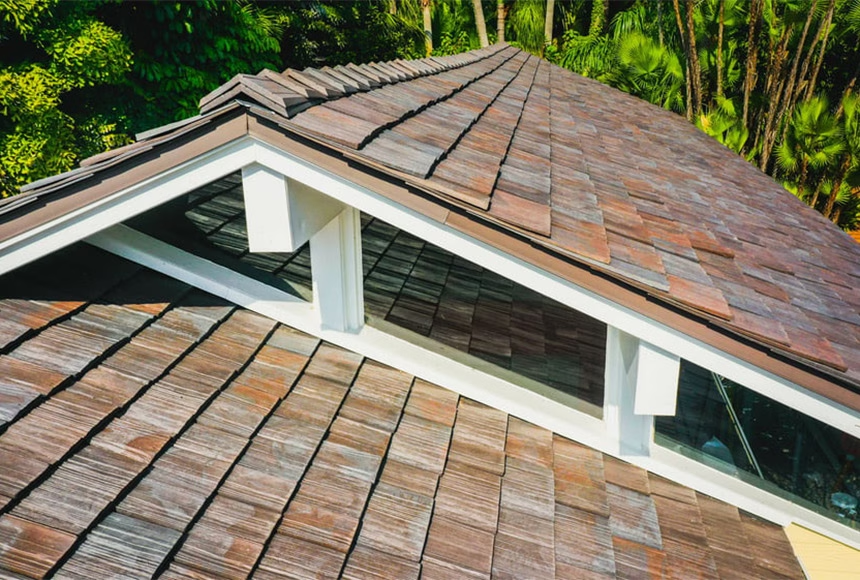
The look: Hand-split cedar shake, with the irregular surface texture and natural color variation that makes cedar distinctive. BRAVA’s Cedar Shake profile captures the dimensional character of real wood while maintaining the manufacturing consistency that makes installation cleaner.
The problem it solves: Natural cedar shake in Virginia’s climate is a maintenance-intensive product. The region’s humidity and precipitation create ideal conditions for biological growth. Moss, algae, and lichen colonize cedar shake relatively quickly, and once established, accelerate the degradation of the wood fiber beneath. Pressure washing, chemical treatments, and periodic replacement of individual courses are recurring costs with natural cedar. BRAVA Cedar Shake is non-porous and doesn’t provide the organic substrate that moss and algae need to establish.
What it’s rated for:
- Class A fire resistance
- Class 4 impact resistance
- 110 mph wind resistance
- 50-year limited warranty
Best fit: Historic and character homes where cedar shake would traditionally be appropriate. Wooded lots where fire resistance is a genuine concern. Homeowners who want a wood aesthetic without the maintenance cycle.
Learn more about BRAVA Cedar Shake roofing and what installation looks like in Central Virginia.
BRAVA Spanish Tile
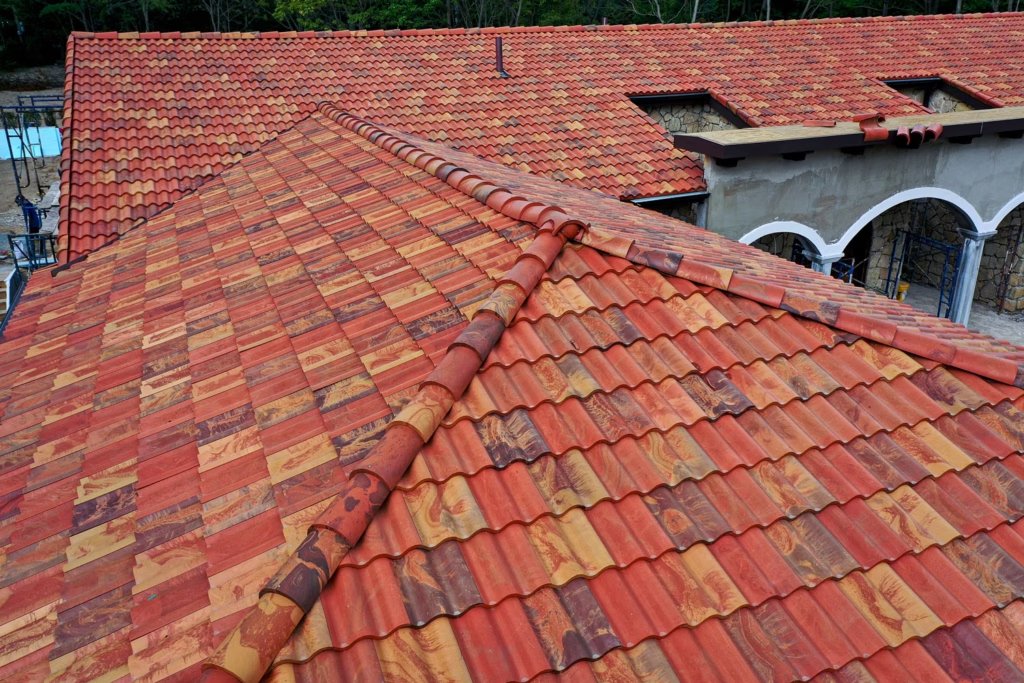
The look: The curved, barrel-profile tile associated with Mediterranean, Spanish Colonial, and historic Southern architecture. BRAVA Spanish Tile replicates the visual rhythm of clay tile roofing, the play of light across the curved surface and the layered depth of a tile roof, without the engineering challenges of natural clay.
The problem it solves: Natural clay Spanish tile typically weighs 900 to 1,200 pounds per roofing square. Many homes built after 1970 are framed to support asphalt shingles (250 to 350 pounds per square) or standing seam metal (100 to 150 pounds per square), not clay tile. A clay tile installation on a home without the right structural support requires engineering review and potentially significant structural modification before a single tile goes on.
BRAVA Spanish Tile weighs approximately 300 to 400 pounds per square, within the range that most conventionally framed homes can support without modification. The structural conversation is simply different.
Clay tile is also brittle enough that foot traffic during installation and future inspection work creates breakage risk. BRAVA’s polymer composite is impact-resistant by design.
What it’s rated for:
- Class A fire resistance
- Class 4 impact resistance
- High wind resistance
- 50-year limited warranty
Best fit: Homes with Mediterranean, Spanish Colonial, or traditional Southern architecture. Renovation projects where the aesthetic of clay tile is desired but structural modification would make natural clay cost-prohibitive. Homeowners in areas with high wildfire or ember risk.
See the BRAVA Spanish Tile installation details offered through Four Seasons Roofing.
BRAVA Slate Tile
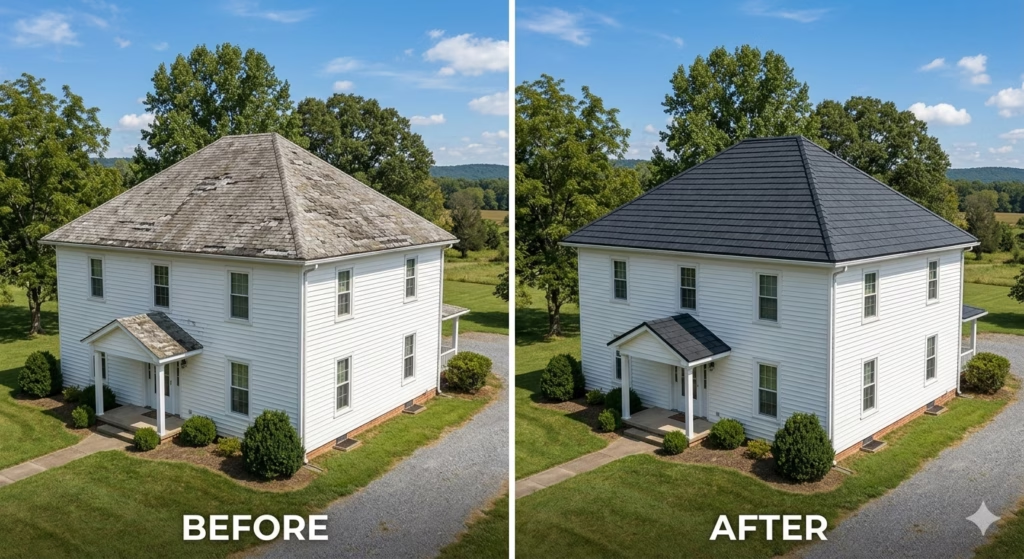
The look: Natural slate’s clean, flat surface, dimensional layering, and characteristic color variation, from blue-gray and charcoal to purple and green tones depending on quarry origin. BRAVA Slate captures the linear elegance of natural slate without the material’s weight or the sourcing complexity that has made natural slate increasingly scarce and expensive.
The problem it solves: Natural slate is genuinely exceptional roofing material. A properly installed Vermont or Pennsylvania slate roof can last 100 to 150 years. But natural slate is also one of the heaviest roofing materials in common use (800 to 1,500 lbs per square depending on thickness), requires skilled installers with specific slate experience, is difficult to source in consistent quality and quantity, and is priced accordingly.
BRAVA Slate addresses the weight, sourcing, and cost barriers while maintaining the visual character that makes natural slate so desirable. It won’t last 150 years the way verified natural slate can, but a 50-year performance warranty from a composite product installed on a modern home represents a strong value proposition for most homeowners.
What it’s rated for:
- Class A fire resistance
- Class 4 impact resistance
- Wind resistance
- 50-year limited warranty
Best fit: Homes where the aesthetic of slate is desired but the structure isn’t engineered for natural slate’s weight. Historic renovation projects where matching original slate aesthetics matters. Homeowners who want premium visual character without premium natural material sourcing costs.
Explore the BRAVA Slate Tile option available through Four Seasons Roofing in Central Virginia.
Why Virginia’s Climate Makes BRAVA a Strong Fit
Not every roofing material performs the same way in every climate. Central Virginia sits in a zone where roofing systems face a specific combination of conditions that affect long-term performance.
Summer Heat and UV Exposure
Central Virginia summers bring sustained heat and significant UV exposure. Asphalt shingles lose granules and become brittle over time from this combination. Cedar accelerates its moisture cycling, which contributes to the cracking and splitting that shortens its lifespan. BRAVA’s UV-stabilized composite maintains both its structural integrity and its color stability under extended sun exposure in ways that natural materials and standard asphalt don’t.
Humidity and Biological Growth
The Piedmont and Blue Ridge foothills climate is humid. Roofs in wooded areas, which describes a significant portion of Central Virginia residential neighborhoods, deal with shade, moisture retention, and organic debris accumulation that creates ideal conditions for biological growth. Cedar is particularly vulnerable here. BRAVA’s non-porous surface doesn’t support moss or algae colonization in the same way.
Freeze-Thaw Cycling
Winter in this region produces the freeze-thaw events that damage roofing materials through repeated expansion and contraction. Clay tile is porous enough that water absorbed into the body of the tile can freeze and cause cracking over multiple cycles. Natural slate is less porous but not immune. BRAVA’s polymer composite is resistant to moisture absorption, which means freeze-thaw cycling doesn’t create the same internal stress as it does in natural materials.
Wind and Storm Events
Tropical storm remnants tracking inland from the Atlantic regularly affect Central Virginia. BRAVA’s Class 4 impact rating and high wind resistance ratings reflect a product engineered for exactly the kind of wind and impact events that come with severe weather in this region.
How BRAVA Compares to the Alternatives
| Asphalt Shingles | Natural Cedar Shake | Natural Slate | BRAVA Composite | |
|---|---|---|---|---|
| Lifespan | 25 to 30 years | 15 to 25 years in VA | 80 to 150 years | 50+ years |
| Fire Rating | Class A | Class C or none | Class A | Class A |
| Impact Rating | Class 1 to 2 | Class 1 | Class 4 | Class 4 |
| Weight (lbs/sq) | 250 to 350 | 300 to 400 | 800 to 1,500 | 300 to 400 |
| Maintenance | Low | High | Low to moderate | Very low |
| Moisture resistance | Moderate | Low | Moderate | High |
| Cost range (installed) | $8k to $14k | $18k to $30k+ | $30k to $60k+ | $18k to $32k |
| Structural reinforcement needed | No | No | Often yes | No |
Ranges reflect Central Virginia market estimates for a typical residential home. Individual quotes vary based on roof size, pitch, and complexity.
What to Expect During a BRAVA Installation
One of the practical questions homeowners ask is how a BRAVA installation differs from a standard shingle replacement. The short answer is that the process is similar in most respects, with a few additional considerations.
Tear-off: Your existing roofing material is removed and the decking is inspected. Any soft spots, rot, or damage in the sheathing are repaired before anything new goes on.
Underlayment: A quality synthetic underlayment goes down first. This is the layer that provides the actual weatherproofing barrier, and it matters as much as the tile itself.
Installation: BRAVA tiles are installed according to manufacturer specifications, which include specific fastening patterns, course layouts, and valley treatments. This is where certified installer experience matters. An installer who doesn’t follow the manufacturer’s specifications may void the warranty and create installation-specific vulnerabilities that show up years later.
Timeline: BRAVA installations typically take longer than a straight shingle replacement because the tile profiles require more precise layout work. For a standard residential home, expect two to four days depending on complexity.
Cleanup and inspection: A thorough cleanup of debris and a final walkthrough inspection are standard. Good contractors also walk the perimeter to collect any fasteners that landed in the yard.
Four Seasons Roofing’s team has hands-on experience with all three BRAVA profiles and follows manufacturer-required installation practices, which protects both the performance of the roof and the warranty that comes with it.
Is BRAVA Worth the Investment Over Asphalt Shingles?
The price gap between architectural asphalt shingles ($8,000 to $14,000 installed) and BRAVA composite ($18,000 to $32,000 installed) is real. Whether that gap is worth it depends on the homeowner’s priorities.
The case for upgrading:
- If you plan to stay in the home for 20 or more years, the extended lifespan of BRAVA changes the cost calculation. A shingle roof replaced in year 25 costs money twice over the same period that one BRAVA roof covers.
- If your home’s architecture or neighborhood character calls for a premium material, BRAVA delivers visual results that asphalt shingles simply cannot match regardless of grade.
- If your home insurance offers premium credits for Class 4 impact and Class A fire ratings, the annual savings can reduce the effective cost premium of BRAVA over the life of the roof. It’s worth calling your insurer before making a material decision.
- If you’re in a wooded area with wildfire risk or ember exposure, the fire rating difference between Class C cedar and Class A composite is meaningful.
The case for sticking with shingles:
- If you’re planning to sell in the next five to ten years, the premium you pay for BRAVA is unlikely to be fully recovered in increased sale price.
- If the budget constraint is firm and the roof genuinely needs to be replaced now, quality architectural shingles installed correctly will protect your home effectively.
Neither choice is wrong. The right answer depends on your specific timeline, priorities, and home.
How to Get a BRAVA Quote for Your Home
BRAVA composite tiles are not available through every roofing contractor. Installation requires certification, and the product is positioned for contractors who specialize in quality work rather than volume installation.
Four Seasons Roofing is a certified BRAVA installer serving Central Virginia, including Charlottesville, Buckingham County, Nelson County, Fluvanna, and the surrounding region. We offer free roof inspections to help homeowners understand their current roof’s condition and evaluate which material options make sense for their specific home.
If you’re curious about BRAVA and whether it makes sense for your home, the conversation starts with a no-obligation inspection. Schedule a free roof inspection or call us directly at 434-390-0199.
The Bottom Line
BRAVA composite roofing is not trying to replace asphalt shingles as a volume product. It’s designed for homeowners who want the visual character of cedar shake, Spanish tile, or natural slate and the long-term performance of an engineered material that doesn’t share those natural materials’ maintenance vulnerabilities.
In Central Virginia’s climate, where humidity, biological growth, storm events, and freeze-thaw cycles all take a toll on roofing systems, the case for a product with Class 4 impact resistance, Class A fire rating, and genuine moisture resistance is stronger than in more forgiving climates.
Whether it’s the right choice for your home depends on your timeline, your home’s architecture, and your priorities. The best starting point is a straightforward conversation and an honest inspection from a contractor who installs all the options and doesn’t have a stake in steering you toward any particular one.
Four Seasons Roofing has been doing that work in Central Virginia for over 14 years. We’re happy to walk through the options with you.
Why Schedule a Call?
Popular Insights
Can a New Roof Lower Your Virginia Energy Bills? What to Expect by Material and Season
Oct. 21, 2026
Metal Roofing Cost in Virginia: Standing Seam vs Corrugated and What’s Actually Worth It for Your Home
Oct. 09, 2026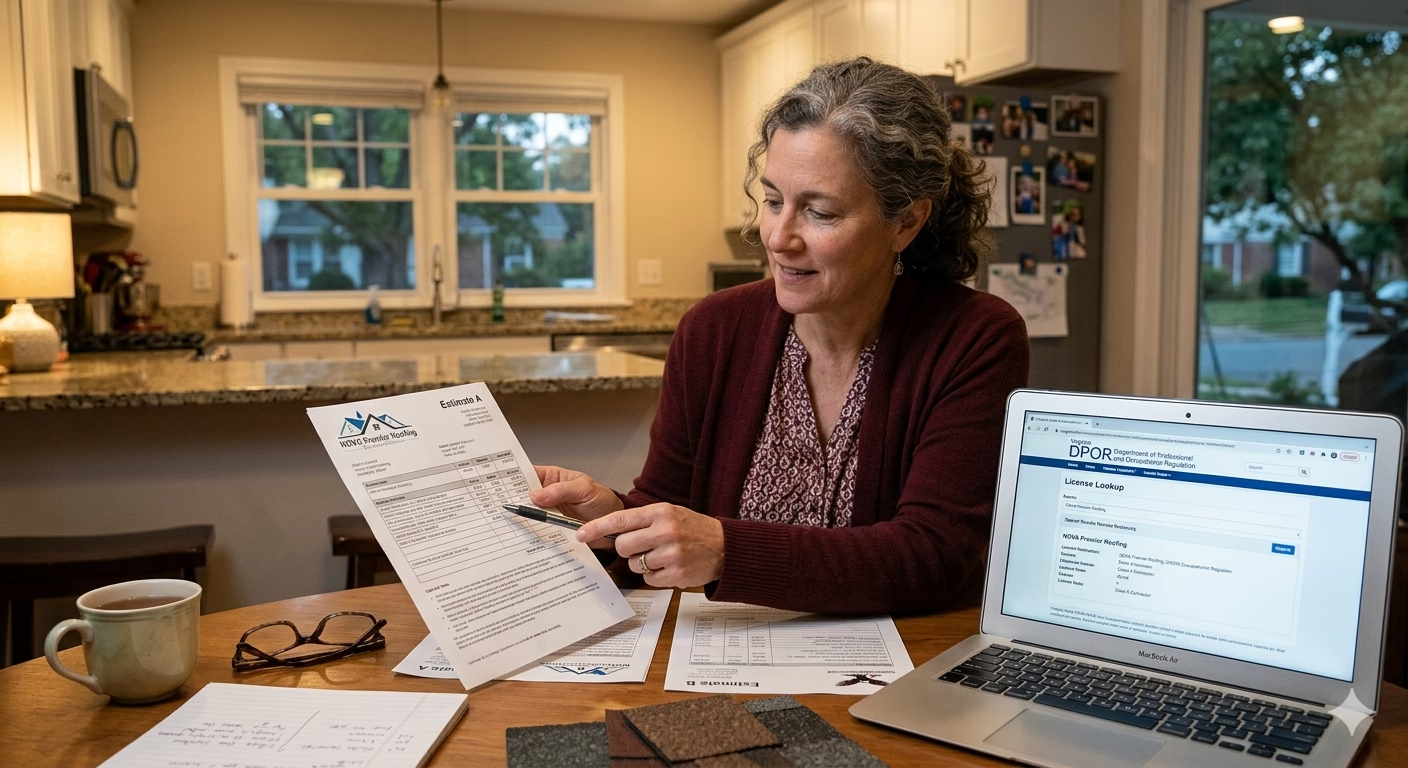
How to Choose a Roofing Contractor in Virginia: 6 Questions That Separate Professionals from Fly-by-Nights
Oct. 02, 2026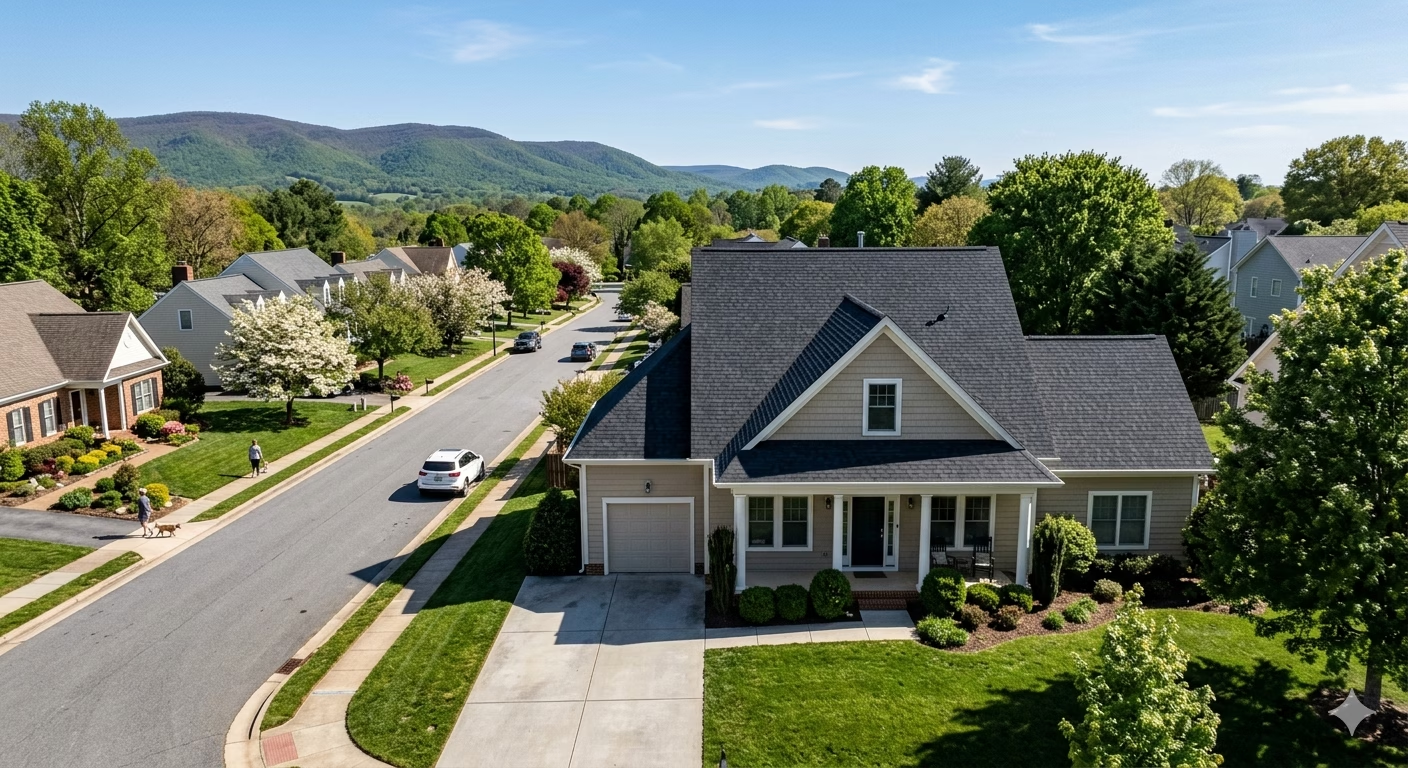
New Roof Installation in Lynchburg, VA: What Homeowners Can Expect from Estimate to Final Day
Sep. 25, 2026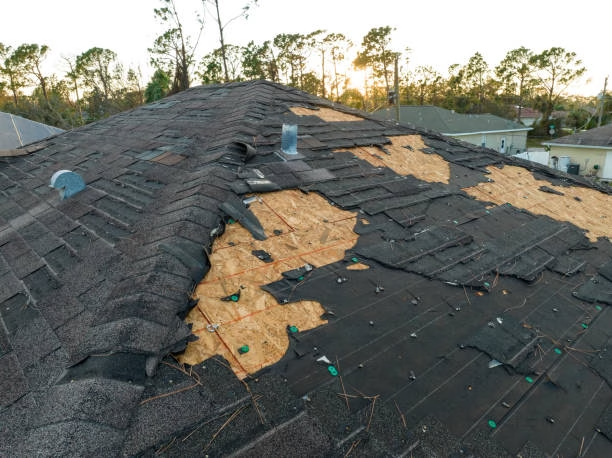
Storm Damage Roofing in Central Virginia: What to Do in the First 24 Hours After Your Roof Is Hit
Sep. 23, 2026Topics
Our Services
- Gutter Services
- Storm Damage Roofing
- Commercial Roofing Service
- BRAVA Cedar Shake Roofing Tile
- Insurance Claim Assistance
- Residential Roofing Services
- Roof Inspection Services
- Roof Repair Service
- Roof Replacement Service
- Shingle Roofing Service
- Metal Roofing Service
- Emergency Roof Repair Services
- BRAVA Spanish Tile
- BRAVA Slate Tile