Contact Us Today
posts
Metal Roofing Costs in Virginia: Standing Seam vs. Corrugated (2026)
October 9, 2026
Why More Virginia Homeowners Are Asking About Metal Roofing
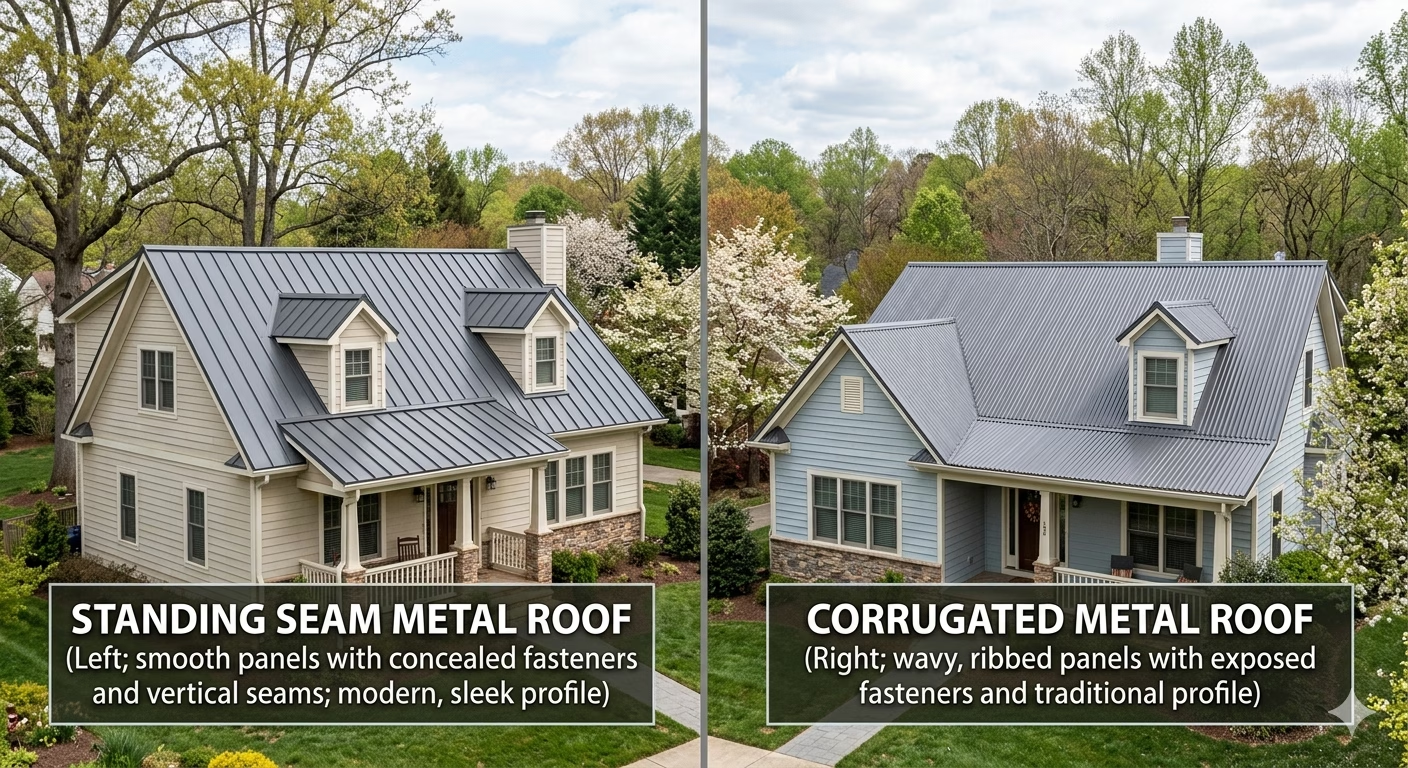
Metal roofing is no longer just for barns and commercial buildings. Across Central Virginia, homeowners in Charlottesville, Lynchburg, Richmond, and surrounding areas are seriously weighing metal as their next roofing system.
The reasons are practical. Virginia sits in a climate zone that dishes out humid summers, nor’easters, ice accumulation, and the occasional tropical storm remnant. Asphalt shingles, while affordable upfront, can take a beating over 15 to 20 years. Metal, installed correctly, routinely lasts 40 to 70 years.
But cost is where the questions pile up fast. “Is it worth it?” “What’s the difference between those two metal panel types?” “Will I ever recoup the investment?”
This guide answers all of that, with real numbers and honest trade-offs.
The Two Main Residential Metal Roof Types: A Quick Primer
Before we get into pricing, you need to understand what you’re actually comparing.
Standing Seam Metal Roofing
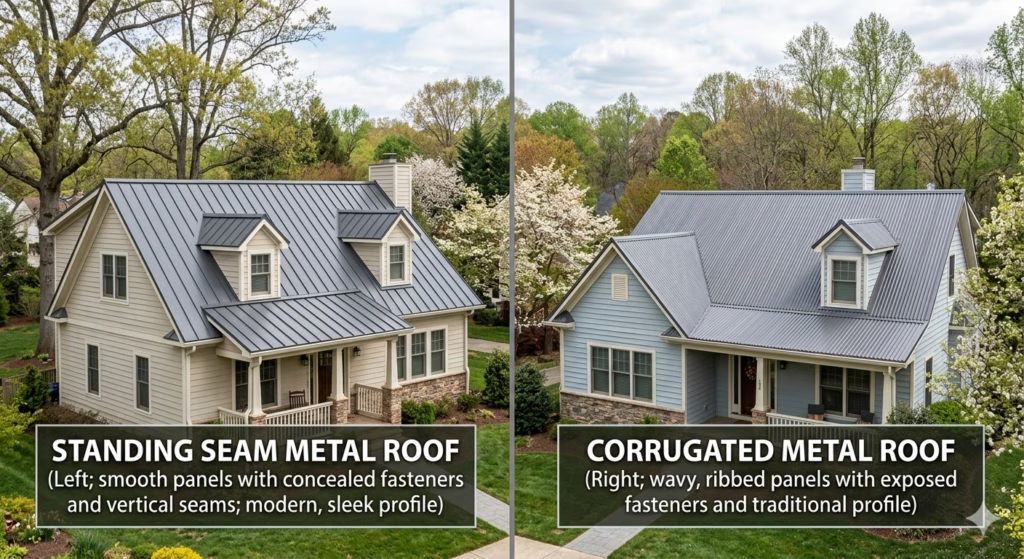
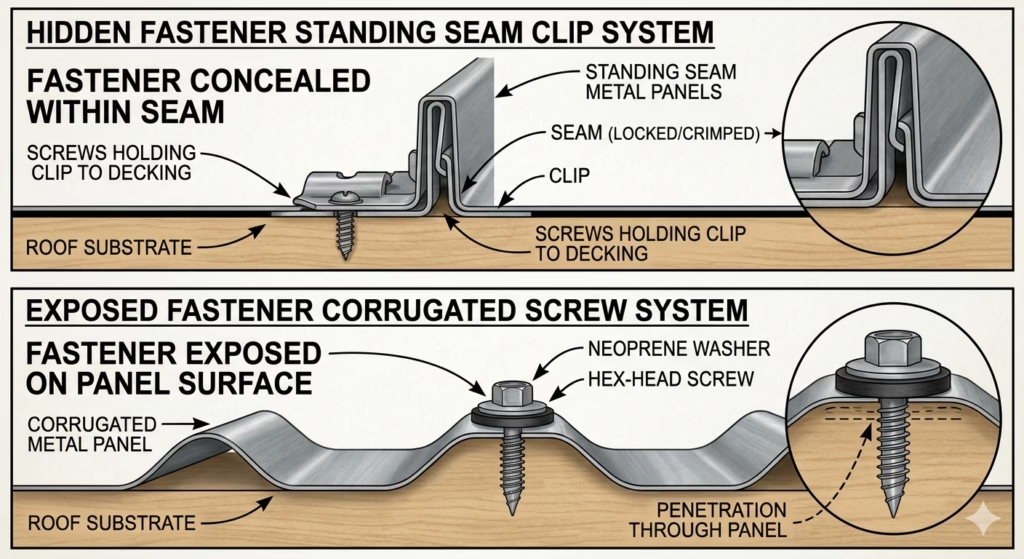
Standing seam panels interlock along raised vertical seams that run from the ridge to the eave. The fasteners are completely hidden beneath these seams, meaning no exposed screws, no exposed penetration points, and significantly fewer opportunities for water intrusion over time.
This is the system you see on modern luxury homes, high-end farmhouses, and commercial buildings that want both aesthetics and performance. It also allows for natural thermal expansion and contraction without stressing the panel or fasteners.
Best for: Primary residences, long-term ownership, steep-slope roofs, and homeowners who want a premium finished look.
Corrugated (Exposed Fastener) Metal Panels
Corrugated panels, sometimes called R-panel or through-fastened panels, are installed with screws that penetrate directly through the panel face into the decking below. The screws include rubber or neoprene washers to create a seal at each penetration point.
These washers do their job for years, but they are a maintenance consideration. Over time, UV exposure and thermal cycling can degrade the washer material, which is why corrugated metal roofs occasionally need fastener checks and resealing around the 10 to 15-year mark.
Best for: Outbuildings, barns, garages, budget residential reroofs, sheds, and properties where upfront cost is the primary driver.
Metal Roofing Cost in Virginia: Real Numbers for 2025
Roofing prices vary based on material gauge, profile, contractor experience, roof complexity, and regional labor rates. Here is what Virginia homeowners are realistically paying in 2025.
Standing Seam Cost Breakdown
| Cost Component | Typical Range |
|---|---|
| Materials only (panels, clips, trim) | $4.50 to $9.00 per sq ft |
| Installation labor | $6.00 to $12.00 per sq ft |
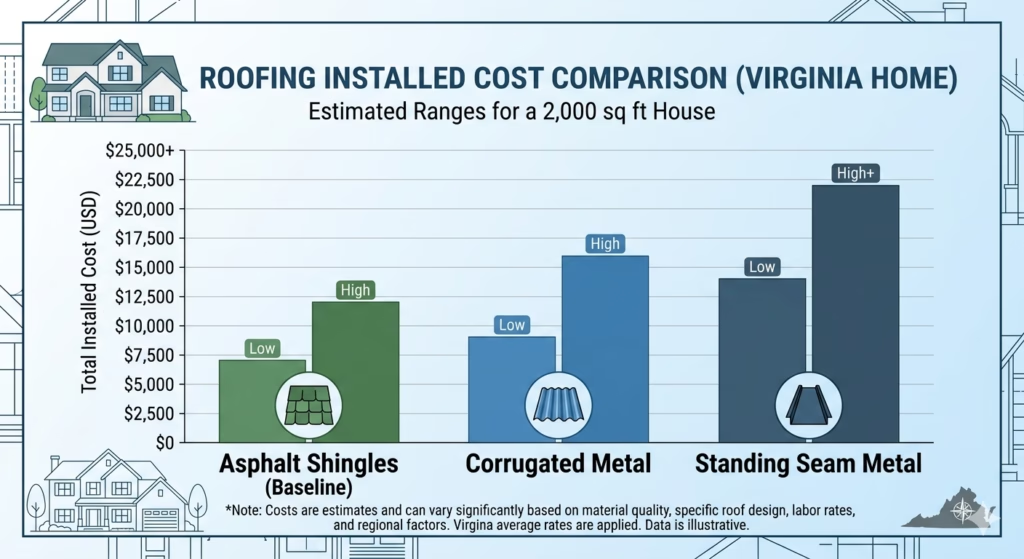
| Total installed cost | $12 to $20+ per sq ft |
| Average 2,000 sq ft roof | $24,000 to $40,000+ |
Factors that push standing seam toward the higher end of the range:
- Steeper roof pitch (more complex installation, more safety equipment)
- Multiple valleys, dormers, or skylights requiring custom flashing
- Thicker gauge steel (24-gauge is standard; 22-gauge adds cost but adds rigidity)
- Kynar 500 PVDF paint finish vs standard polyester
- Premium colors or custom-order panel widths
Corrugated / Exposed Fastener Cost Breakdown
| Cost Component | Typical Range |
|---|---|
| Materials only (panels, screws, trim) | $2.00 to $5.00 per sq ft |
| Installation labor | $3.50 to $7.00 per sq ft |
| Total installed cost | $6 to $12 per sq ft |
| Average 2,000 sq ft roof | $12,000 to $24,000 |
Corrugated cost is pushed higher by:
- Larger or more complex roofs
- Tear-off of existing roofing layers
- Deck repairs discovered during removal
- Upgraded panel thickness or specialty finishes
How Virginia’s Climate Affects Your Metal Roof Decision
Virginia does not have a simple climate. Depending on where you are in the state, you may deal with:
- Blue Ridge and Shenandoah Valley: Snow load, ice damming, and freeze-thaw cycles
- Central Virginia (Charlottesville, Lynchburg, Richmond area): Humidity, summer heat gain, and wind from tropical systems
- Coastal and Tidewater Virginia: High wind events, salt air corrosion potential, and heavy rain
What this means for standing seam: The hidden fastener design handles thermal expansion and contraction extremely well, which matters in areas with significant temperature swings. No exposed rubber washers means fewer cold-weather failure points. For homes in the foothills or mountain areas of Virginia, this is a meaningful advantage.
What this means for corrugated: In more moderate Central Virginia climates, corrugated performs well for decades when installed correctly and maintained. The key is ensuring the fasteners are checked periodically and that the panels are properly lapped and sealed at transitions.
Corrosion note: If you are in coastal or Tidewater areas, you will want to specify Galvalume or aluminum-based panels, and confirm with your contractor that all trim, clips, and fasteners are compatible (mixing metals causes galvanic corrosion). This applies to both panel types.
The True Cost Comparison: Lifetime Value, Not Just Upfront Price
Here is where the math gets interesting for Virginia homeowners.
A typical 30-year architectural shingle roof costs $7,000 to $14,000 installed on a 2,000 sq ft home. That sounds like a bargain compared to metal.
But consider the full picture over 50 years of homeownership:
Asphalt shingles over 50 years:
- Two full replacements plus possible mid-cycle repairs
- Estimated total cost: $18,000 to $35,000+
Corrugated metal over 50 years:
- One installation, possible fastener maintenance at year 10-15
- Estimated total cost: $14,000 to $28,000
Standing seam over 50 years:
- One installation, minimal maintenance
- Estimated total cost: $24,000 to $42,000
The gap narrows considerably over time, especially when you factor in that metal roofs often reduce cooling costs (reflective finishes can reduce attic heat gain by 10 to 25%), and may qualify for homeowner insurance discounts in hail-prone areas.
Virginia-specific note: Some Virginia insurance carriers offer premium discounts for impact-resistant metal roofing. Ask your insurer before you sign a contract, as this can meaningfully offset the upfront cost difference.
Which Metal Roof Is Right for Your Virginia Home?
Here is a practical decision framework.
Choose Standing Seam If:
- You plan to own the home for 20+ years
- Your home has a modern, craftsman, farmhouse, or high-end traditional aesthetic
- Your roof has multiple complex features like valleys, dormers, or skylights
- You want the lowest possible long-term maintenance profile
- Your roof pitch is 3:12 or steeper (ideal for standing seam)
Choose Corrugated If:
- You need a cost-effective solution for a garage, outbuilding, shed, or barn
- You are on a tighter budget and need a durable roof now
- Your structure has a low slope (some corrugated profiles handle low slopes well)
- You are open to periodic fastener inspections every 10 to 15 years
Neither Is Right If:
- Your roof deck is damaged and needs significant repair. Laying metal over a compromised deck is a false economy. A professional roof inspection before committing to any material will surface these issues and save you money in the long run.
What Affects Metal Roofing Costs in Virginia? Key Quote Variables
When you receive metal roofing quotes, the line items that catch people off guard are usually these:
Tear-off and disposal: Removing your old shingles adds $1 to $2 per square foot to the job. Some contractors quote over existing shingles (permissible in Virginia in many jurisdictions for one layer), but this hides the deck and prevents proper inspection.
Deck condition: Virginia homes with older plywood or OSB decking sometimes reveal soft spots, rot, or improper fastener patterns once the old roof comes off. Budget for potential deck repairs, especially on homes built before 2000.
Trim and flashing: Eave drip edge, rake trim, ridge cap, step flashing at walls, and pipe boot flashings all add up. On a complex roof, trim and flashing materials alone can represent 15 to 20% of the material cost.
Underlayment: Metal roofing requires a quality synthetic underlayment, not felt paper. High-temperature underlayments are recommended under metal to handle the elevated temperatures metal panels can produce in summer. This is a spec worth asking about.
Ventilation: If your attic ventilation is inadequate, a new metal roof will not perform to its potential. A reputable contractor will flag this during the estimate.
What to Ask Your Metal Roofing Contractor in Virginia
Not all metal roofing contractors are the same. Before signing anything, ask:
- What gauge steel are you quoting? (26-gauge is minimum residential; 24-gauge is better)
- What paint system are you using? (Kynar 500 PVDF is the premium standard)
- Is this a floating or fixed clip system? (Standing seam only; floating allows thermal movement)
- What is the manufacturer’s warranty on the panels, and do you provide a workmanship warranty?
- Are you licensed and insured in Virginia?
- Will you provide a written scope of work that specifies underlayment type, fastener specs, and trim details?
A contractor who answers these questions clearly and completely is a contractor worth trusting.
At Four Seasons Roofing, the team brings over 14 years of Central Virginia roofing experience to every metal roofing project, combining quality materials with transparent, honest workmanship. Whether you’re weighing standing seam for your farmhouse or corrugated for a garage project, getting a professional assessment is the right first step.
Storm Damage and Metal Roofing: An Important Intersection
Virginia homeowners who experienced hail, high winds, or fallen tree damage should know that a damaged asphalt roof is an opportunity to upgrade. Many insurance claims will cover the cost of replacing like-for-like, but some policies allow upgrades when a material is no longer manufactured or code-equivalent.
If your home sustained storm damage, Four Seasons Roofing’s storm damage roofing service includes insurance claim assistance, helping you navigate the documentation and adjuster process so you get what your policy actually covers. This matters because underpaid claims are common on roofing losses, especially when wind and hail damage is subtle.
The Inspection Step You Should Never Skip
Whether you choose standing seam, corrugated, or are still undecided, a professional roof inspection before any purchase decision is essential.
An inspection will tell you:
- The current condition of your decking and structural supports
- Whether you have existing ventilation issues that need to be addressed
- Whether a re-roof over existing shingles is permissible and advisable
- The actual square footage and complexity factors that will drive your quote
Four Seasons Roofing offers free roof inspections for Virginia homeowners. It is the lowest-risk first step you can take, and it gives you real information rather than guesswork before you commit to a five-figure investment.
Final Verdict: Standing Seam vs Corrugated in Virginia
Here is the honest summary.
Standing seam is the better long-term investment for primary residences where the homeowner plans to stay for 15 or more years. The hidden fastener design, superior thermal performance, and minimal maintenance profile justify the premium in most cases.
Corrugated is a perfectly sound choice for outbuildings, budget-focused projects, and homeowners who need durability without the premium price tag. With proper installation and periodic fastener maintenance, a corrugated metal roof will outlast multiple asphalt roofs.
Both options outperform asphalt shingles in longevity and, over time, in total cost of ownership.
The best thing you can do right now is get an honest quote from a contractor who will look at your specific roof, your specific budget, and your specific goals before recommending a system. That conversation starts with an inspection, not a sales pitch.
Why Schedule a Call?
Popular Insights
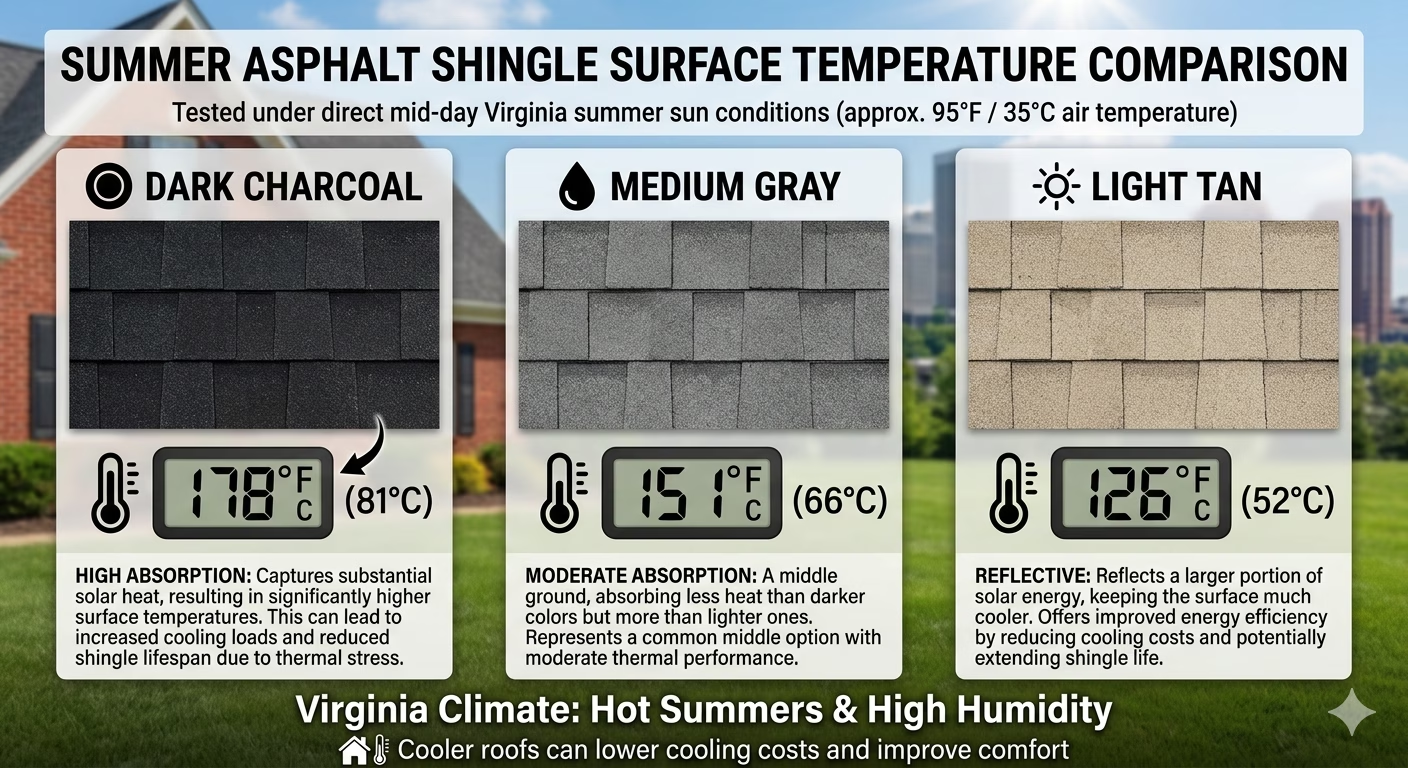
Can a New Roof Lower Your Virginia Energy Bills? What to Expect by Material and Season
Oct. 21, 2026Metal Roofing Cost in Virginia: Standing Seam vs Corrugated and What’s Actually Worth It for Your Home
Oct. 09, 2026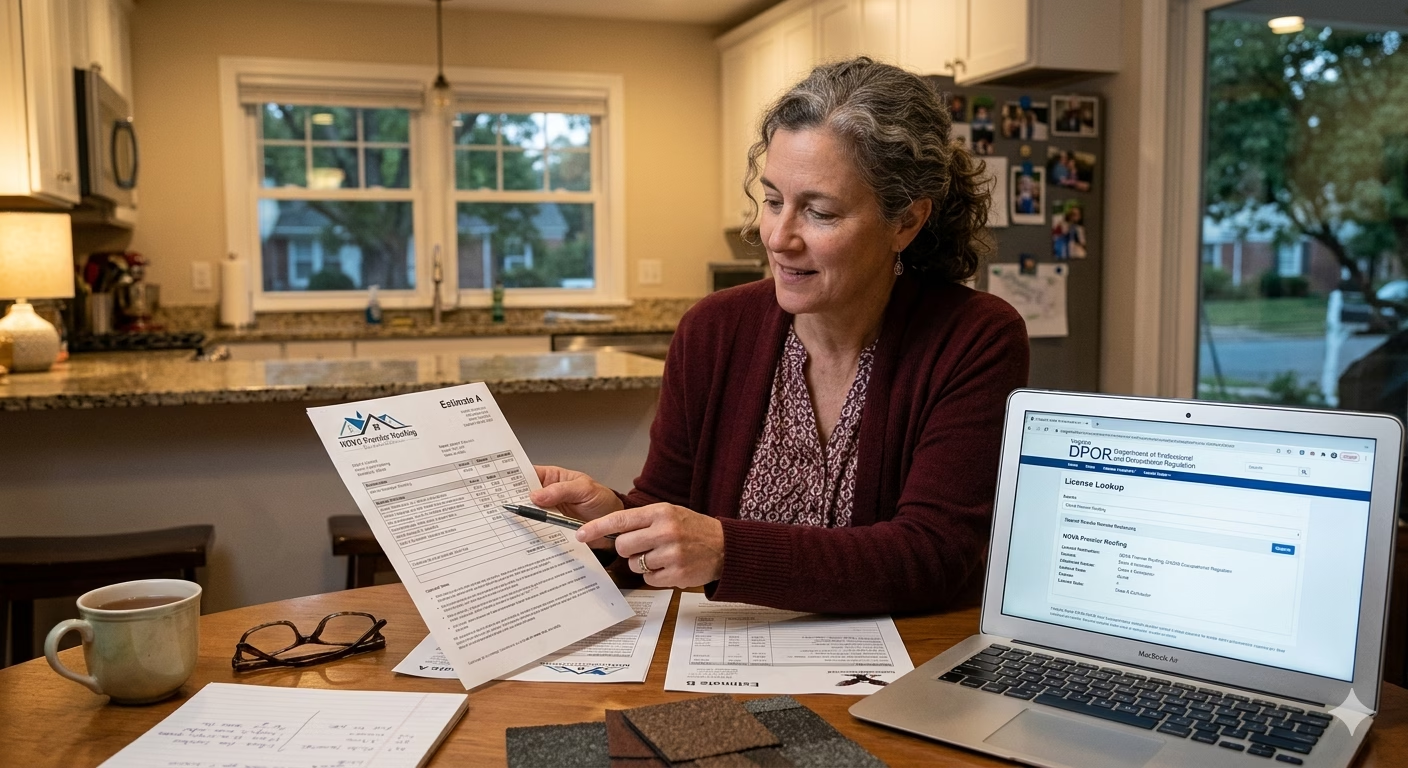
How to Choose a Roofing Contractor in Virginia: 6 Questions That Separate Professionals from Fly-by-Nights
Oct. 02, 2026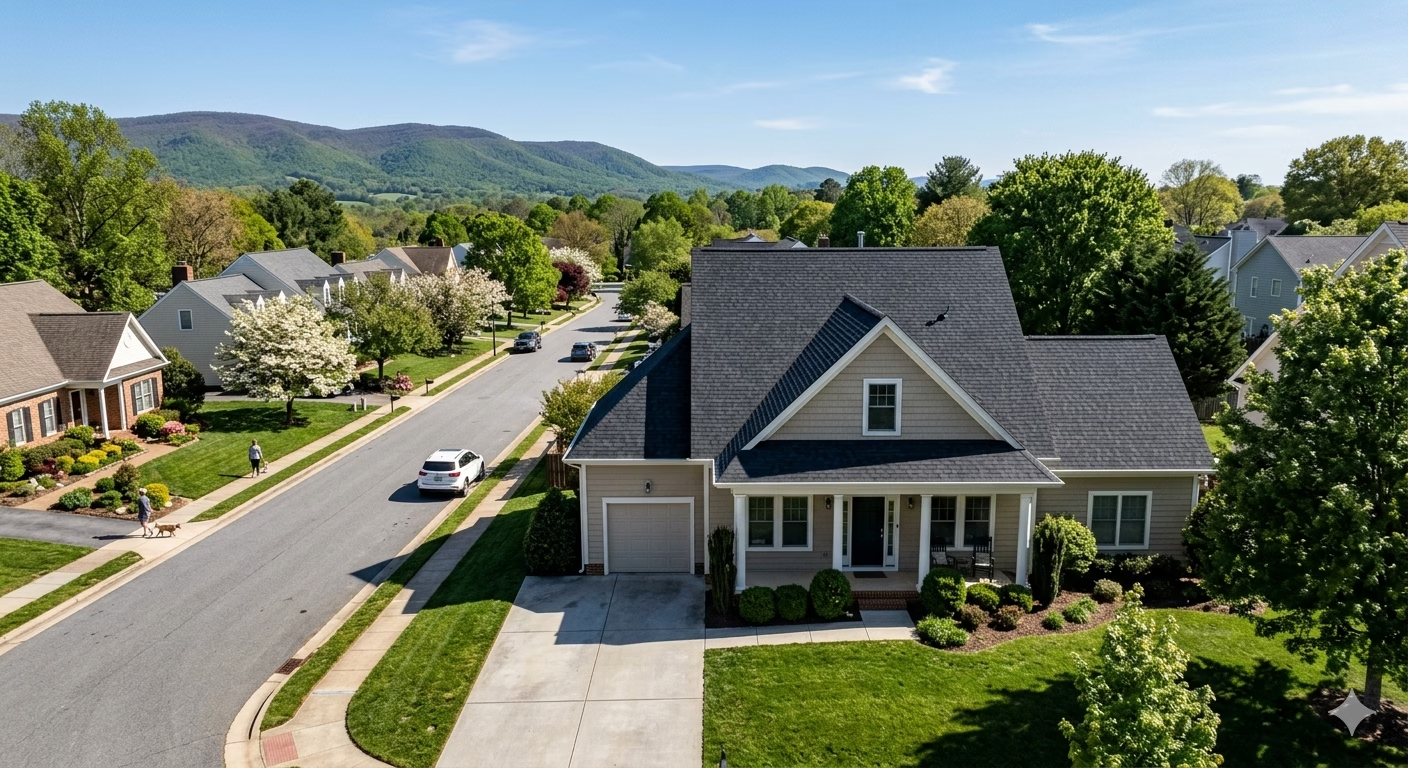
New Roof Installation in Lynchburg, VA: What Homeowners Can Expect from Estimate to Final Day
Sep. 25, 2026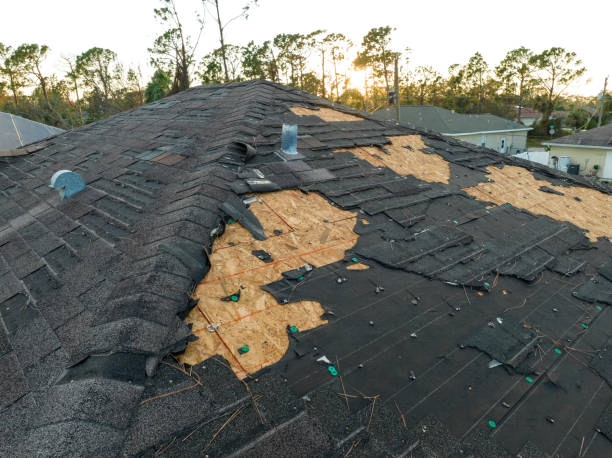
Storm Damage Roofing in Central Virginia: What to Do in the First 24 Hours After Your Roof Is Hit
Sep. 23, 2026Topics
Our Services
- Gutter Services
- Storm Damage Roofing
- Commercial Roofing Service
- BRAVA Cedar Shake Roofing Tile
- Insurance Claim Assistance
- Residential Roofing Services
- Roof Inspection Services
- Roof Repair Service
- Roof Replacement Service
- Shingle Roofing Service
- Metal Roofing Service
- Emergency Roof Repair Services
- BRAVA Spanish Tile
- BRAVA Slate Tile