Contact Us Today
Uncategorized
How to Protect Your Roof from Squirrels and Raccoons
June 24, 2026
Key Takeaways
- The “Chew-Through” Risk: Squirrels can gnaw through soft wood and plastic vents in under 20 minutes to access your attic.
- Secondary Damage: Wildlife doesn’t just make noise; they destroy insulation and chew through electrical wiring, creating significant fire hazards.
- The Gutter Highway: Overhanging branches and clogged gutters act as a “welcome mat” for rodents and raccoons.
- Structural Seals: Why professional flashing and heavy-duty vent covers are your best defense against persistent pests.
When “Nature” Moves Indoors: The Central Virginia Challenge
In the heavily wooded neighborhoods of Richmond, Charlottesville, and the surrounding counties, we share our space with a lot of wildlife. While squirrels and raccoons are charming in the yard, they are destructive in the attic.
At Four Seasons Roofing, we’ve seen how a small gap in a soffit or a cracked vent can quickly turn into a costly roof repair project. Once an animal establishes a “den” in your attic, the moisture from their presence can lead to wood rot and mold.
Here is how to identify the weak spots in your home’s “envelope” and keep the critters out.
1. The Soffit and Fascia “Soft Spots”
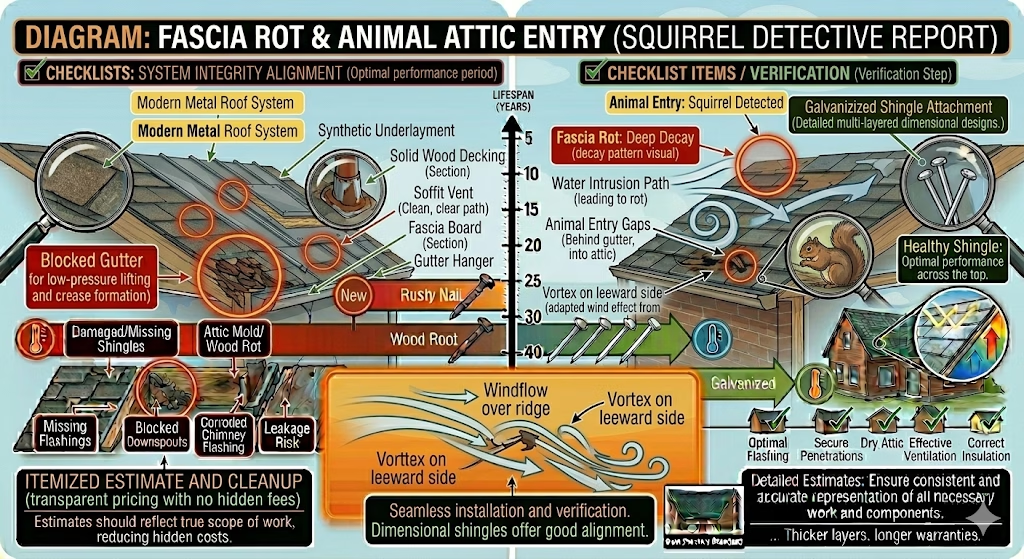
The most common entry point for squirrels is the intersection where your roof meets the eaves. If your fascia boards (the vertical boards behind your gutters) have any water damage, the wood becomes soft.
A squirrel can easily chew through softened wood to create a hole the size of a golf ball. Once inside, they will expand that hole to fit their body. If your gutter system is overflowing, it keeps that wood damp, making it an easy target for teeth and claws.
2. Plastic vs. Metal Roof Vents
Standard builders-grade roof vents are often made of plastic. While these are fine for airflow, they offer zero protection against a determined raccoon. Raccoons are remarkably strong and can rip a plastic vent cover right off the roof deck.
Information Gain Tip: We recommend upgrading to heavy-duty, galvanized steel vent covers. These are designed to allow for maximum ventilation while being virtually “claws-proof.” During a residential roof replacement, we prioritize these high-durability components to ensure your new roof is a fortress.
3. The “Plumbing Boot” Shortcut
Every roof has plumbing vent stacks. These are usually sealed with a rubber “boot.” Squirrels are known to chew on the lead or rubber flashing around these pipes to sharpen their teeth or gain access to the warmth of the attic.
If you see bite marks on your pipe boots or notice shredded rubber in your gutters, an animal is actively trying to break in. If they succeed, water will follow them into your home during the next Virginia rainstorm.
4. Overhanging Branches: The Rooftop Bridge
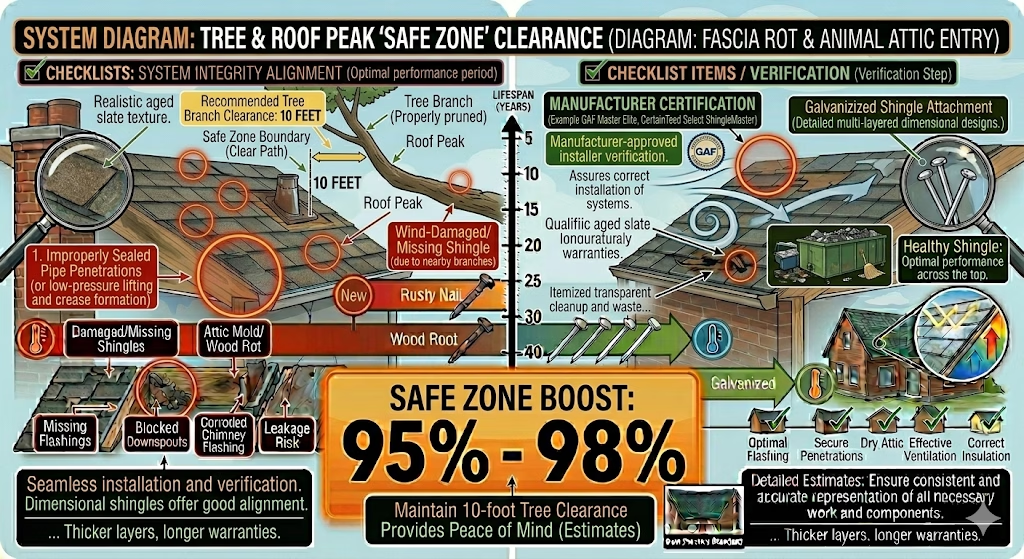
Vermin-proofing your roof starts on the ground. If you have tree branches within 6 to 10 feet of your roofline, you have provided a bridge for wildlife.
- Squirrels: Can leap up to 10 feet horizontally.
- Raccoons: Use low-hanging branches to climb onto the roof without needing a downspout.
- The Solution: Keep trees trimmed back. This doesn’t just stop animals; it also prevents shade-induced moss and algae growth on your shingles.
5. The Chimney and Valley Intersection
The “valleys” of your roof (where two slopes meet) often collect debris. This debris traps moisture, weakening the shingles underneath. Animals look for these weakened areas to start their excavation.
Furthermore, if your chimney flashing is loose, it provides a perfect “lever point” for a raccoon to pry up shingles. Ensuring your flashing is sealed with Amish-quality precision is essential for both leak prevention and pest control.
How to Check Your Roof for Intruders
You don’t always have to see an animal to know they are there. Look for these signs:
- “Scuff” Marks: Look for dark, oily rub marks near the eaves or gables.
- Shingle Debris: If you find bits of asphalt or wood on your deck or driveway, something is chewing above you.
- Noises at Night: Thumping usually indicates raccoons; quick scurrying usually indicates squirrels or mice.
Secure Your Home with Four Seasons Roofing
A roof that isn’t vermin-proof isn’t truly weather-proof. If an animal has compromised your shingles or vents, the resulting water damage can be devastating.
At Four Seasons Roofing, we don’t just fix leaks; we reinforce your home’s defenses. From high-gauge metal flashing to secure gutter installations, we provide the craftsmanship needed to keep the wild where it belongs.
Contact Four Seasons Roofing for a Professional Roof Security Inspection
Why Schedule a Call?
Popular Insights
Can a New Roof Lower Your Virginia Energy Bills? What to Expect by Material and Season
Oct. 21, 2026
Emergency Roof Repairs: Handling Wildlife and Storm Damage
Oct. 09, 2026
How to Choose a Roofing Contractor in Virginia: 6 Questions That Separate Professionals from Fly-by-Nights
Oct. 02, 2026
New Roof Installation in Lynchburg, VA: What Homeowners Can Expect from Estimate to Final Day
Sep. 25, 2026
Storm Damage Roofing in Central Virginia: What to Do in the First 24 Hours After Your Roof Is Hit
Sep. 23, 2026Topics
Our Services
- Gutter Services
- Storm Damage Roofing
- Commercial Roofing Service
- BRAVA Cedar Shake Roofing Tile
- Insurance Claim Assistance
- Residential Roofing Services
- Roof Inspection Services
- Roof Repair Service
- Roof Replacement Service
- Shingle Roofing Service
- Metal Roofing Service
- Emergency Roof Repair Services
- BRAVA Spanish Tile
- BRAVA Slate Tile