
Contact Us Today
Uncategorized
The “Cool Roof” Tax Credit: Can Your New Roof Save You Money on Taxes?
May 20, 2026
Key Takeaways
- The 25C Tax Credit: Under the Inflation Reduction Act, homeowners can claim 30% of the cost of energy-efficient home improvements, including specific roofing components.
- Energy Star Requirements: To qualify, roofing materials must meet strict solar reflectance and thermal emittance standards.
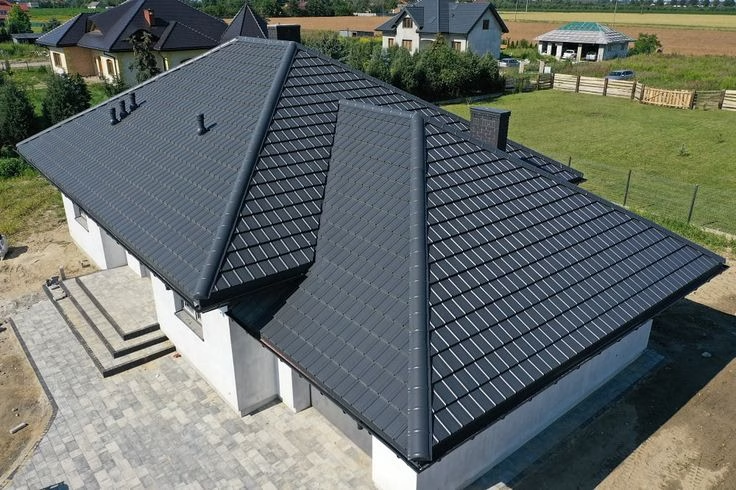
- Metal vs. Asphalt: While metal roofing is a top contender for tax credits, many modern architectural shingles now qualify as “Cool Roofs.”
- Immediate vs. Long-term Savings: A qualifying roof lowers your tax liability today and reduces Central Virginia cooling costs by up to 15% for years to come.
Turning a Necessary Expense into a Tax Advantage
In Central Virginia, a roof replacement is a significant investment. However, thanks to the Energy Efficient Home Improvement Credit (Section 25C), the federal government is effectively “subsidizing” homeowners who choose high-performance, energy-efficient materials.
At Four Seasons Roofing, we believe in providing more than just Amish-quality craftsmanship; we want to ensure our neighbors in Richmond, Charlottesville, and the surrounding counties get the maximum financial return on their investment.
Here is how you can leverage current tax laws to offset the cost of your new roof.
1. What Exactly is the “Cool Roof” Tax Credit?
The current credit allows homeowners to deduct 30% of the cost of energy-efficient materials, up to a certain annual limit (typically $1,200 for general weatherization, though specific limits apply to different components).
The “Information Gain” Catch: The credit applies to the materials (the shingles or metal panels), not the labor for installation. This is why having a detailed, itemized estimate from your contractor is essential for your tax preparer.
2. Qualifying Materials: Is Your Choice Eligible?
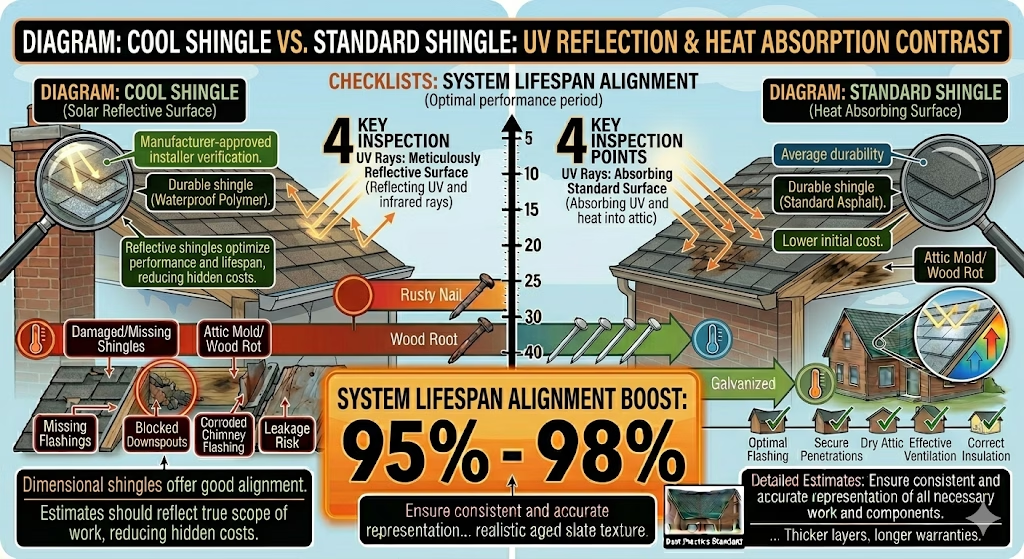
Not every shingle qualifies. To claim the credit, the material must be “Energy Star” certified or meet the equivalent standards for solar reflectance.
- Metal Roofing: Most standing seam metal roofs qualify because of their natural ability to reflect solar heat.
- Reflective Asphalt Shingles: Many high-end architectural shingles now feature “cooling granules” specifically designed to meet these tax requirements.
If you are unsure if your preferred style qualifies, our team can provide the Manufacturer’s Certification Statement during your residential roof replacement consultation.
3. Beyond the Shingles: The Role of Ventilation
The tax code doesn’t just reward the “skin” of the house; it rewards the “system.” Adding or upgrading your attic ventilation as part of a roof project can often fall under weatherization credits.
In the humid Virginia climate, a cool roof works in tandem with proper airflow. If your roof “breathes” correctly, your AC doesn’t have to work as hard, which is exactly the type of energy reduction the IRS is incentivizing. When we perform a roof repair, we always evaluate if a ventilation upgrade could save you more money in the long run.
4. How to Claim Your Credit
To take advantage of these savings, you’ll need to follow a specific paper trail:
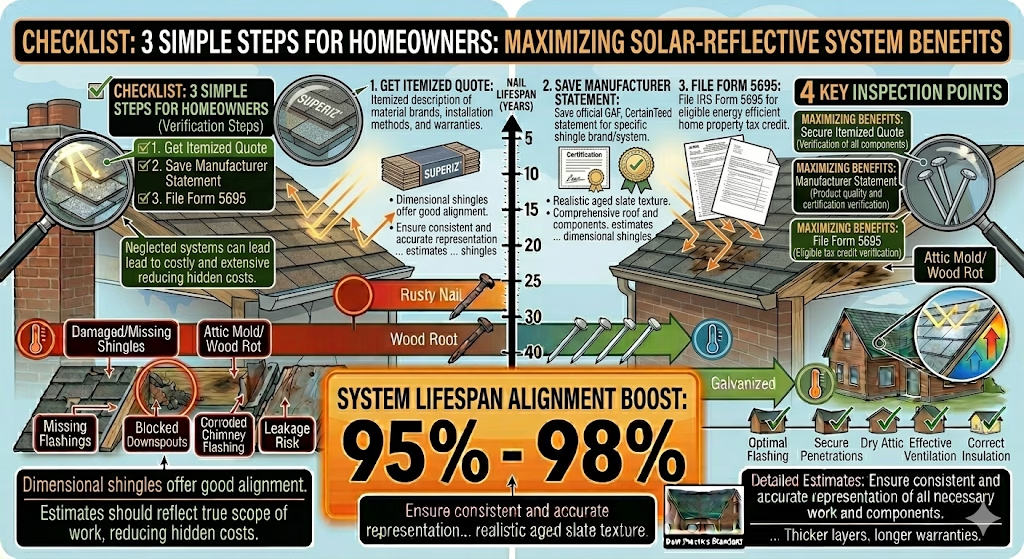
- Keep the Invoice: Ensure the cost of materials is clearly separated from labor.
- Product Label: Save the packaging or the “Manufacturer’s Certification Statement.”
- IRS Form 5695: This is the form for “Residential Energy Credits” that you will file with your annual tax return.
5. Local Virginia Savings: The Hidden ROI
While the federal tax credit is a one-time win, the “Cool Roof” benefits in Virginia are ongoing. Because our summers are notoriously humid, a roof that reflects heat rather than absorbing it can significantly lower your Dominion Energy or local co-op bills.
Pro-Tip: Some local utility providers in Virginia offer additional rebates for energy-efficient upgrades. It is always worth checking your local provider’s “Energy Marketplace” before starting your project.
Is it Time to Upgrade?
If your roof is over 15 years old, you are likely losing money every month to energy inefficiency. By combining the “Cool Roof” tax credit with the long-term energy savings of modern materials, a new roof from Four Seasons Roofing can pay for itself faster than you might think.
Ready to see how much you could save? Don’t guess on your home’s energy efficiency. Let our local experts provide a clear, transparent estimate that helps you maximize your home’s value and your tax return.
Contact Four Seasons Roofing for an Energy-Efficient Estimate Today
Why Schedule a Call?
Popular Insights
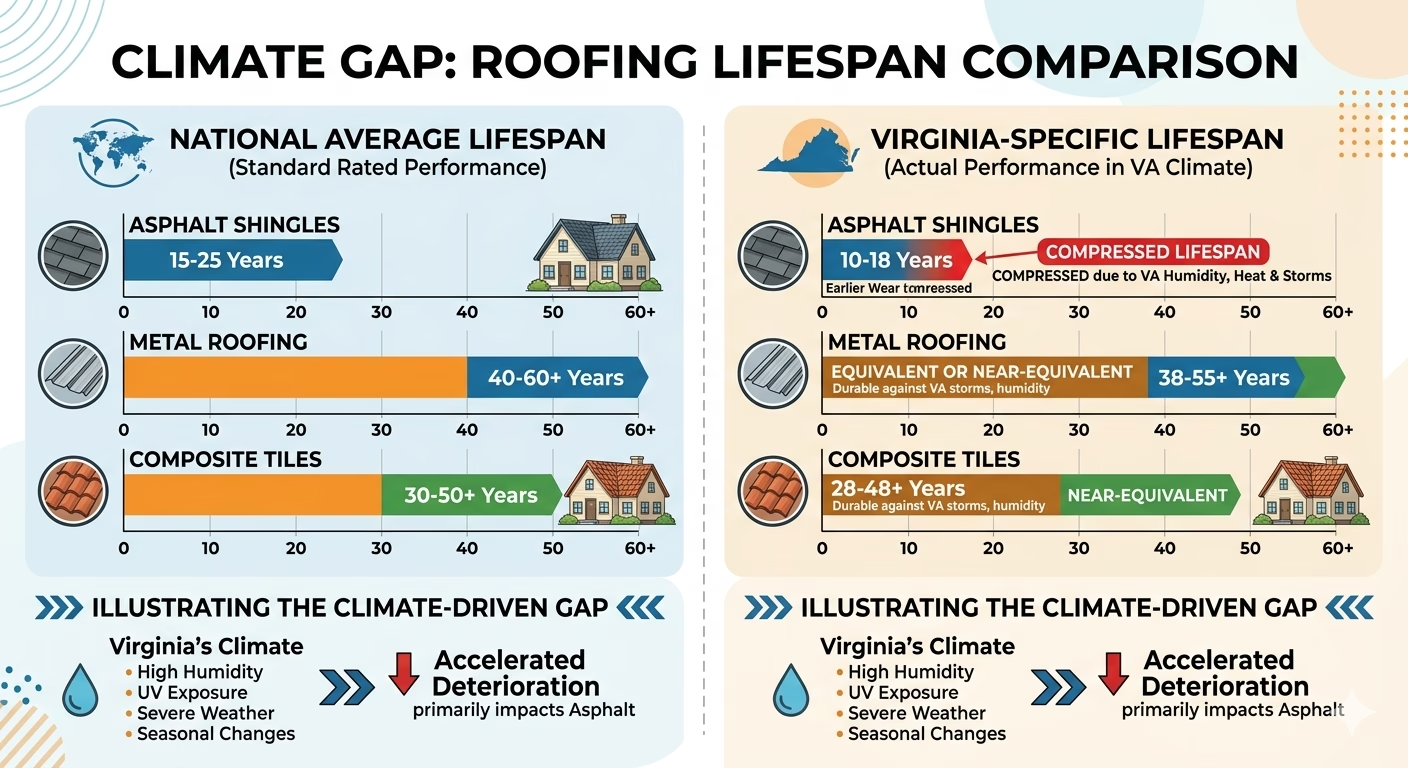
How Long Does a Roof Last in Virginia? Lifespan by Material in a Hot, Humid Climate
Sep. 16, 2026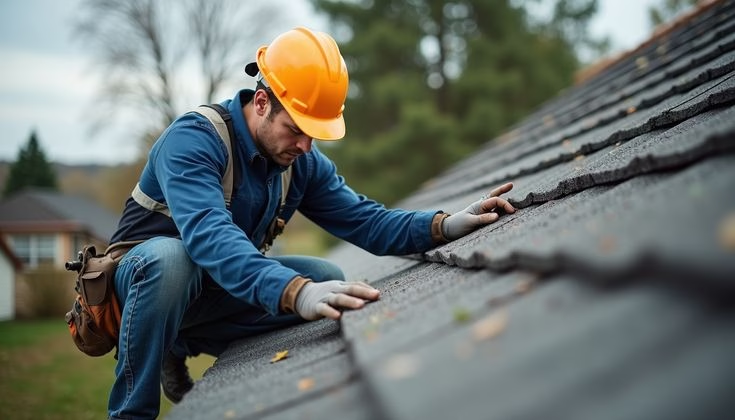
What Happens During a Professional Roof Inspection and Why Every Virginia Homeowner Should Get One Annually
Sep. 09, 2026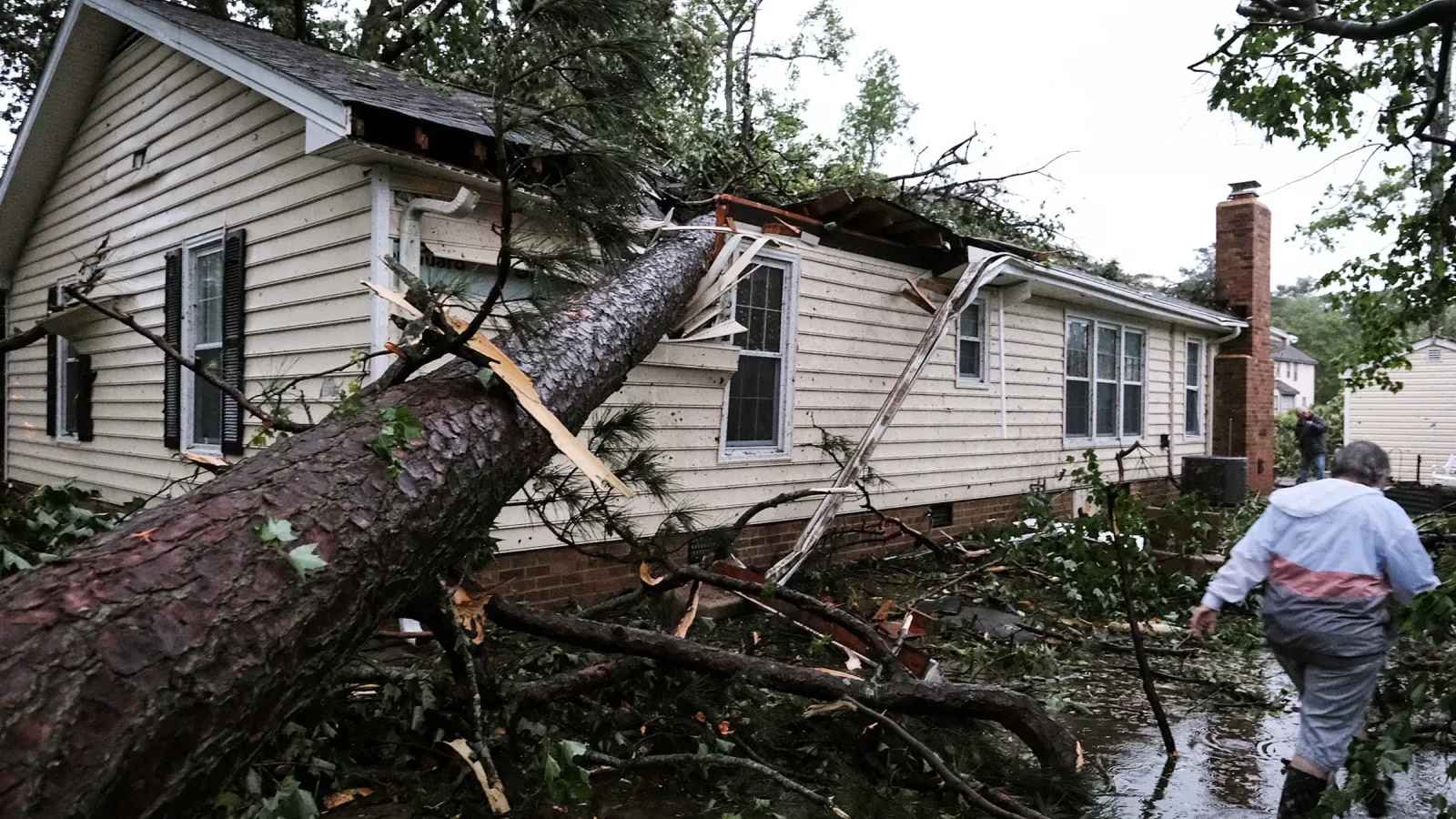
5 Signs Your Virginia Home Needs a New Roof Before Next Hurricane Season
Sep. 02, 2026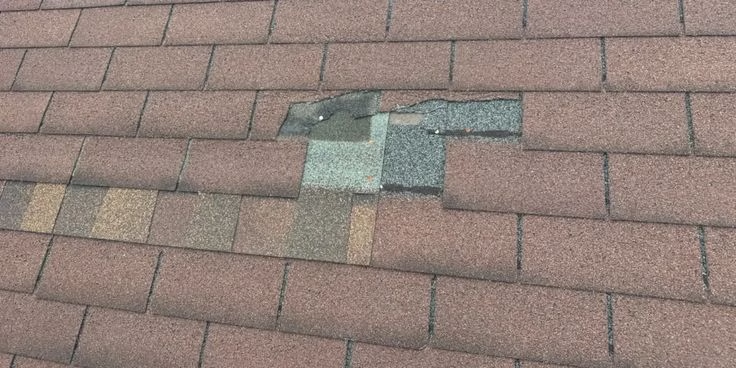
How Virginia’s Humidity and Heat Cycles Damage Asphalt Shingles Faster Than You’d Expect
Aug. 26, 2026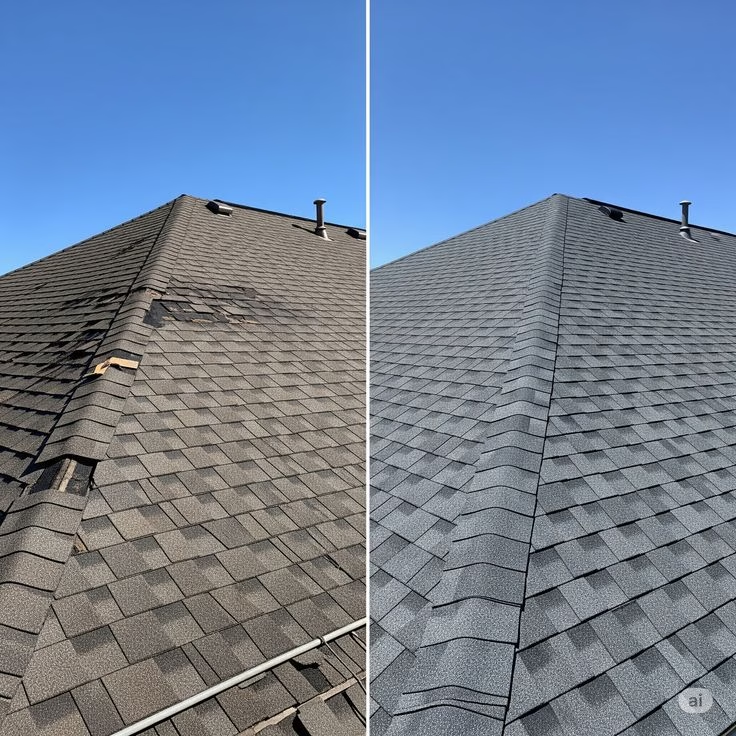
Roof Repair vs. Full Replacement: How to Know Which One Your Central Virginia Home Actually Needs
Aug. 19, 2026Topics
Our Services
- Gutter Services
- Storm Damage Roofing
- Commercial Roofing Service
- BRAVA Cedar Shake Roofing Tile
- Insurance Claim Assistance
- Residential Roofing Services
- Roof Inspection Services
- Roof Repair Service
- Roof Replacement Service
- Shingle Roofing Service
- Metal Roofing Service
- Emergency Roof Repair Services
- BRAVA Spanish Tile
- BRAVA Slate Tile