
Contact Us Today
Uncategorized
The 5 Biggest Roofing Challenges for Central Virginia Homeowners
April 1, 2026
Key Takeaways
- The Humidity Factor: High moisture levels in VA lead to “Green Growth” (moss and algae) that eats away at shingle integrity.
- Thermal Shock: Rapid temperature fluctuations in the Piedmont region cause shingles to crack and expand prematurely.
- Storm Resilience: Seasonal wind and hail require proactive inspections to prevent minor leaks from becoming structural disasters.
- Drainage is Critical: Clogged gutters are a primary cause of roof edge rot in our heavily wooded neighborhoods.
Central Virginia: A High-Stress Environment for Your Roof
Living in Central Virginia means enjoying beautiful fall foliage and mild springs, but for your roof, it’s a battleground. From the humid summers in Richmond to the unpredictable ice storms of the Blue Ridge foothills, our local climate puts unique stress on residential roofing systems.
At Four Seasons Roofing, we’ve spent years identifying the specific patterns of wear and tear that affect our neighbors. Understanding these five challenges is the first step in moving from reactive repairs to proactive protection.
1. Humidity and the “Silent Killer”: Moss & Algae
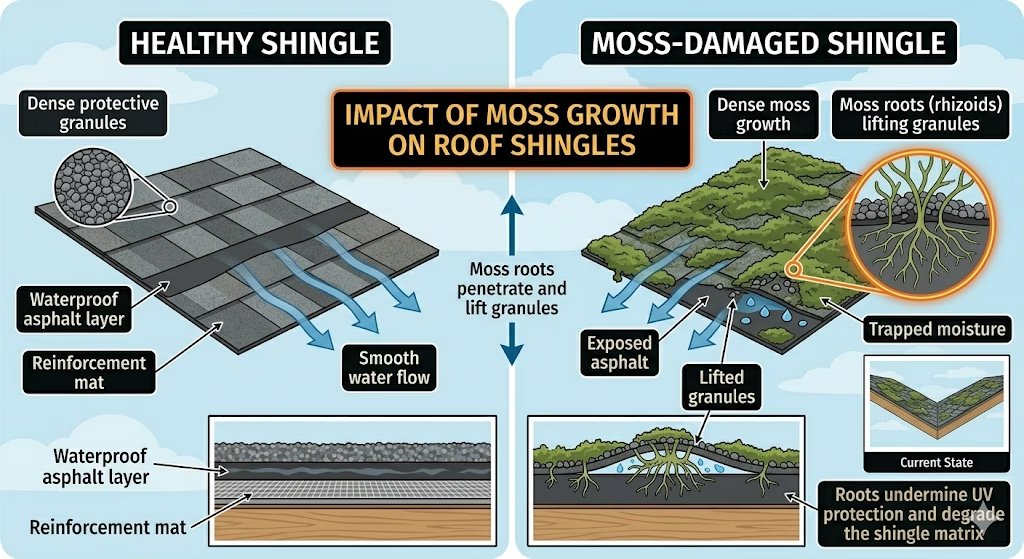
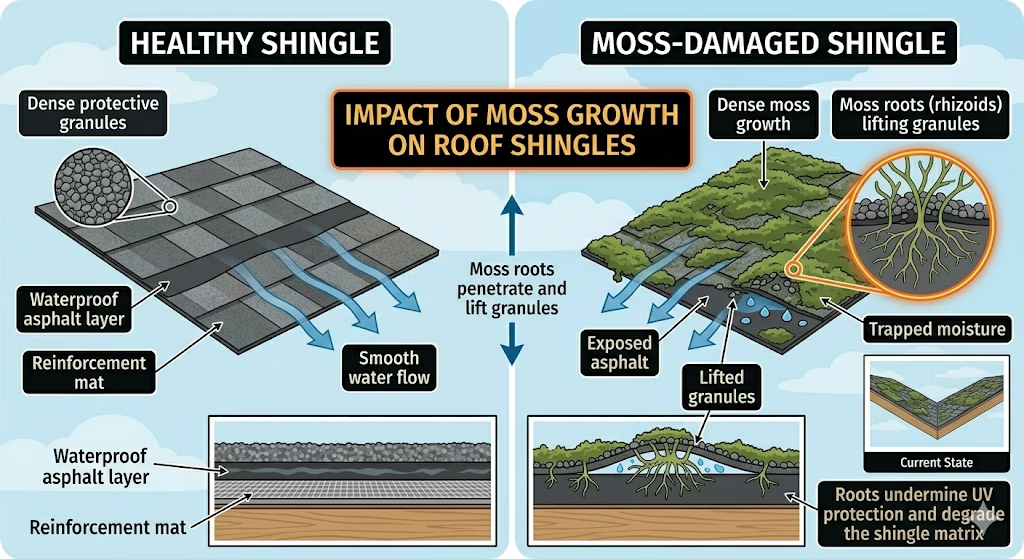
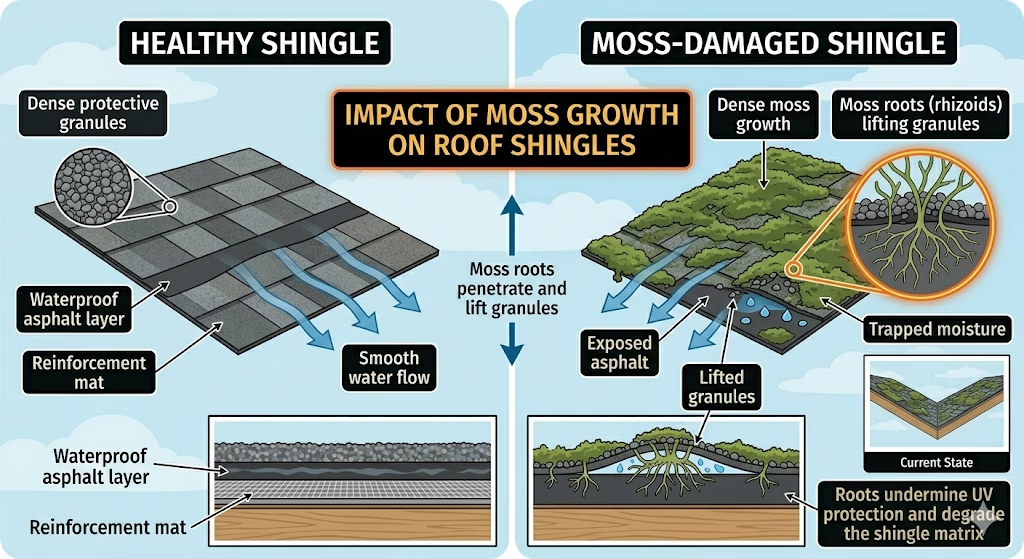
In the swampy humidity of a Virginia July, moisture doesn’t just sit in the air—it settles on your shingles. This creates a perfect breeding ground for Gloeocapsa Magma, the bacteria responsible for those unsightly black streaks, and thick green moss.
Unlike dirt, moss acts like a sponge, holding water against the shingle surface. Over time, this moisture seeps into the wood decking, causing rot that can compromise your entire home’s structure.
2. Thermal Shock from “Yo-Yo” Temperatures
Central Virginia is famous for having four seasons in a single week. It’s not uncommon to see a 70-degree afternoon followed by a 20-degree night. This causes Thermal Shock.
Roofing materials expand in the heat and contract in the cold. When this happens rapidly, shingles can become brittle, losing their flexibility and cracking. If your roof is over 15 years old, these cycles of expansion can cause seals to break, leading to shingles “zipping” or blowing off in light winds. If you suspect your roof has lost its resilience, our team specializing in roof replacement can help you select modern, thermally-resistant materials.
3. The “Wind Tunnel” Effect and Storm Damage
Whether it’s a summer “derecho” or the remnants of a coastal hurricane, high winds are a constant threat. In Central Virginia, many homes are surrounded by mature hardwoods. While beautiful, these trees drop heavy branches during storms that can puncture roofing membranes.
Watch out for:
- Granule Loss: Finding “sand” in your downspouts after a storm.
- Lifted Flashing: Metal around chimneys pulling away.
- Impact Bruising: Small, dark circular indents caused by hail.
4. Gutter Backups and Eave Rot
With our abundance of oak and pine trees, gutters in Central Virginia clog faster than almost anywhere else. When water cannot flow freely, it “wicks” backward under the shingles at the roof’s edge (the eaves).
This leads to fascia board rot and mold growth in your attic. Maintaining a high-functioning drainage system is just as important as the shingles themselves. We often recommend integrated gutter services to ensure water is directed far away from your roofline and foundation.
5. UV Degradation and Attic “Baking”
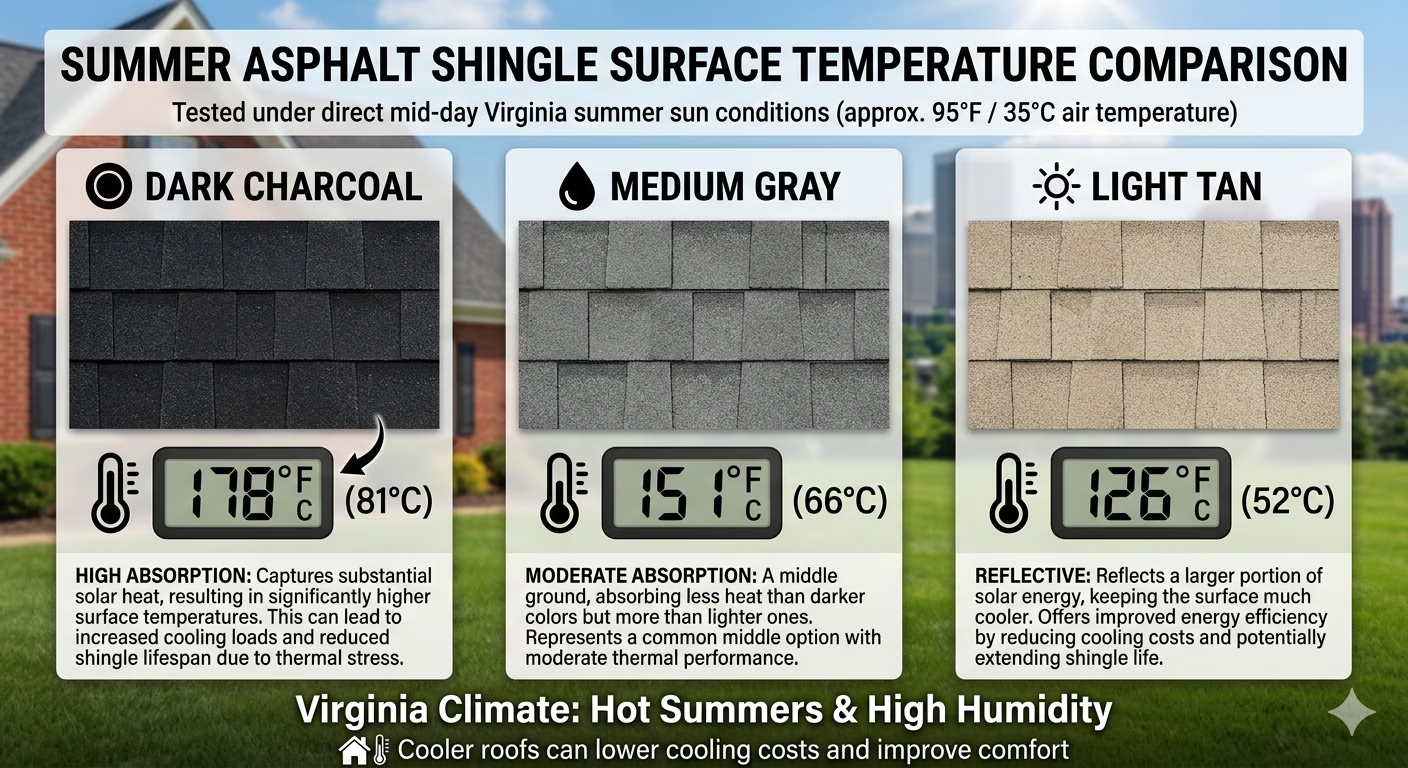
The Virginia sun is intense. UV rays break down the asphalt oils that keep your shingles waterproof. However, the damage often happens from the inside out.
Without proper ventilation, your attic can reach temperatures exceeding 150°F. This “bakes” the shingles from underneath, causing them to curl and cup. A roof that is properly ventilated lasts 30–50% longer than one that isn’t.
The “Information Gain” Advantage: What Can You Do?
Most homeowners wait for a ceiling stain to call a pro. By then, the damage is often in the thousands. The unique value of a local expert is knowing that a 15-minute visual inspection after a major temperature swing can save you from a full replacement.
Proactive Checklist for VA Homeowners:
- Trim the Canopy: Keep branches at least 10 feet from the roof to reduce shade (which grows moss) and debris.
- Check the Attic: If your upstairs rooms feel significantly hotter than the downstairs, your roof ventilation may be failing.
- Drone or Binocular Check: You don’t need to get on a ladder. Use binoculars to look for “shiny” spots where granules have worn off.
If you’ve noticed any of these red flags, don’t wait for the next Virginia storm to test your luck. At Four Seasons Roofing, we provide the honest, professional roof repair services needed to keep your home dry and your family safe.
Contact Four Seasons Roofing today for a comprehensive roof health check-up.
Why Schedule a Call?
Popular Insights
Can a New Roof Lower Your Virginia Energy Bills? What to Expect by Material and Season
Oct. 21, 2026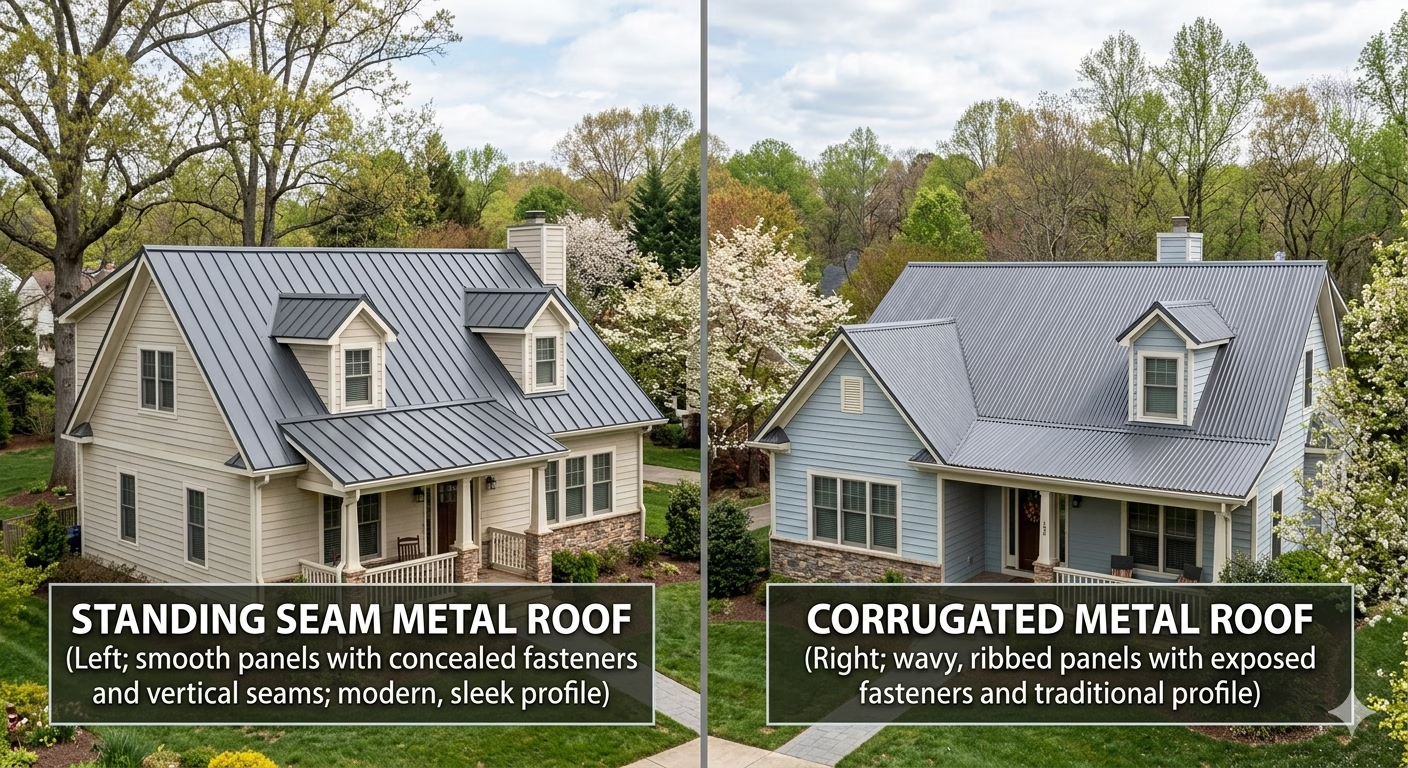
Comparing Metal Roofing vs. Asphalt Shingles in Virginia
Oct. 09, 2026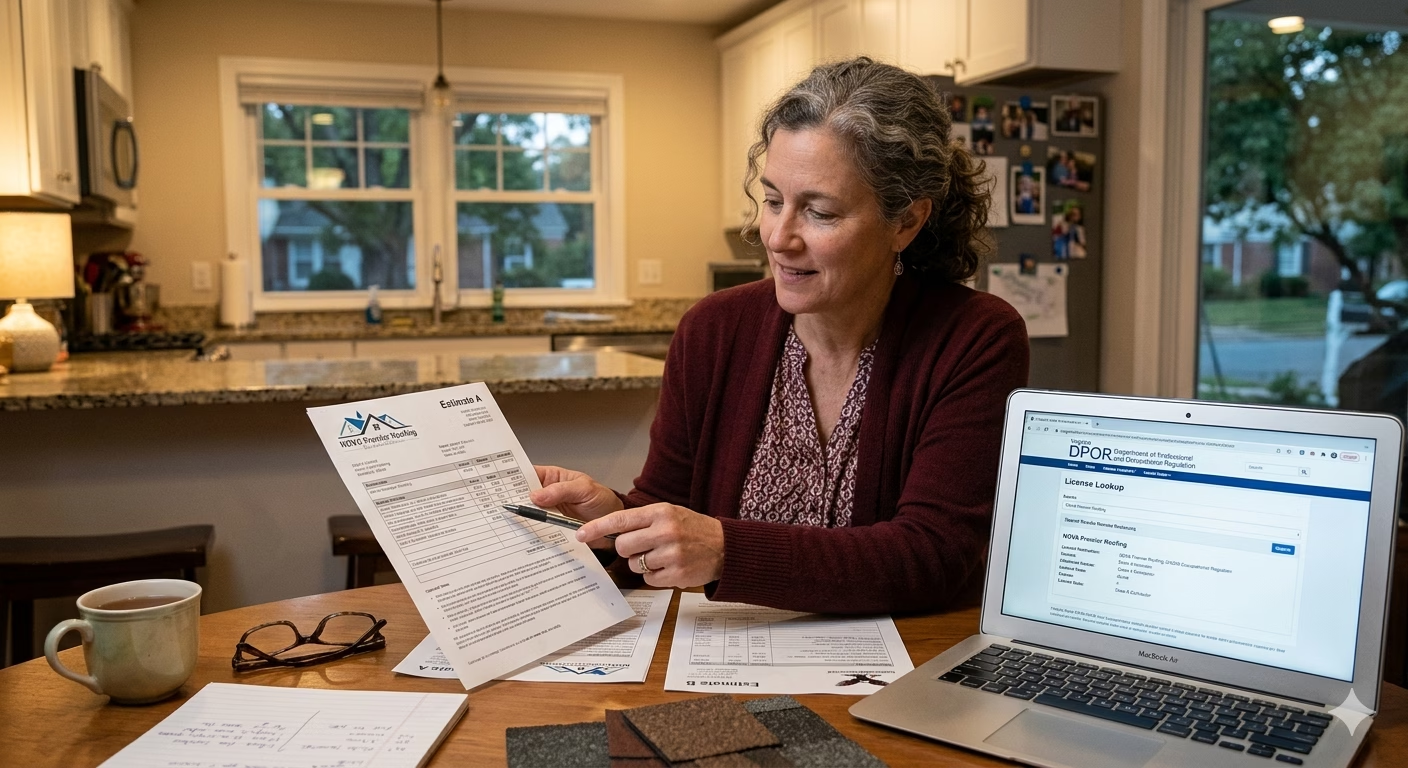
How to Choose a Roofing Contractor in Virginia: 6 Questions That Separate Professionals from Fly-by-Nights
Oct. 02, 2026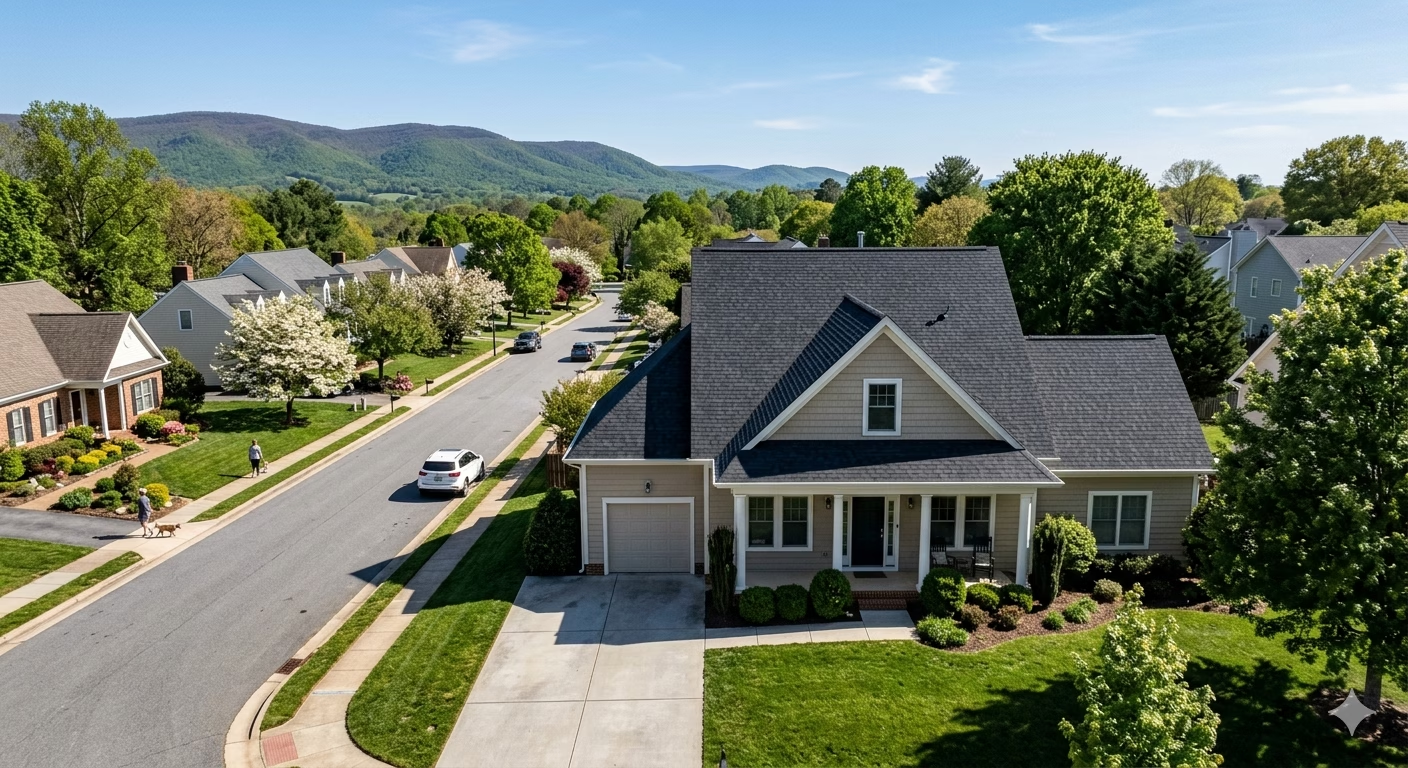
New Roof Installation in Lynchburg, VA: What Homeowners Can Expect from Estimate to Final Day
Sep. 25, 2026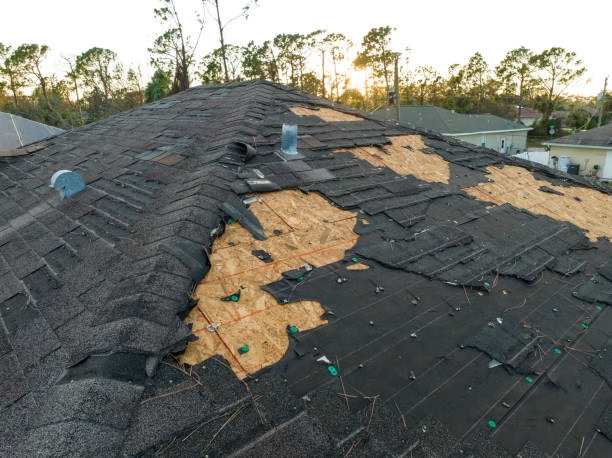
Storm Damage Roofing in Central Virginia: What to Do in the First 24 Hours After Your Roof Is Hit
Sep. 23, 2026Topics
Our Services
- Gutter Services
- Storm Damage Roofing
- Commercial Roofing Service
- BRAVA Cedar Shake Roofing Tile
- Insurance Claim Assistance
- Residential Roofing Services
- Roof Inspection Services
- Roof Repair Service
- Roof Replacement Service
- Shingle Roofing Service
- Metal Roofing Service
- Emergency Roof Repair Services
- BRAVA Spanish Tile
- BRAVA Slate Tile