
Contact Us Today
Uncategorized
Hurricane Season Readiness: Is Your Roof Fastened for 100mph Winds?
May 27, 2026
Key Takeaways
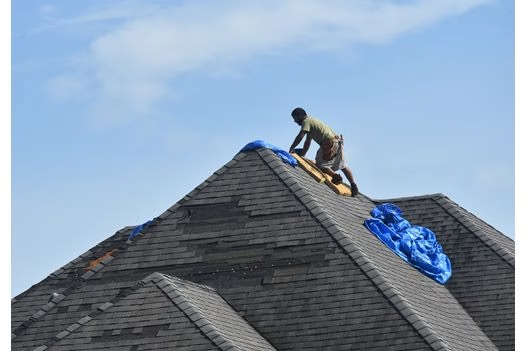
- The “Uplift” Factor: High winds don’t just push against a roof; they create a vacuum that tries to “peel” it off.
- Critical Zones: Roof corners and edges are the most vulnerable areas during a hurricane or severe tropical storm.
- Fastener Failure: Why the number of nails per shingle (and their placement) determines if your roof stays or goes.
- Proactive Defense: Small repairs made in the spring prevent catastrophic structural failures in the fall.
Central Virginia’s Hidden Hurricane Risk
While we aren’t on the coast, Central Virginia frequently feels the full force of landfalling hurricanes and tropical storms. From the high-velocity winds of a “derecho” to the sustained gusts of a tropical depression, our roofs face a unique set of aerodynamic challenges.
At Four Seasons Roofing, we’ve seen how Amish-quality craftsmanship makes the difference between a home that stays dry and one that requires a total roof replacement after a single storm. Here is how to tell if your roof is fastened for the fight.
1. Understanding Wind Uplift (The “Airplane Wing” Effect)
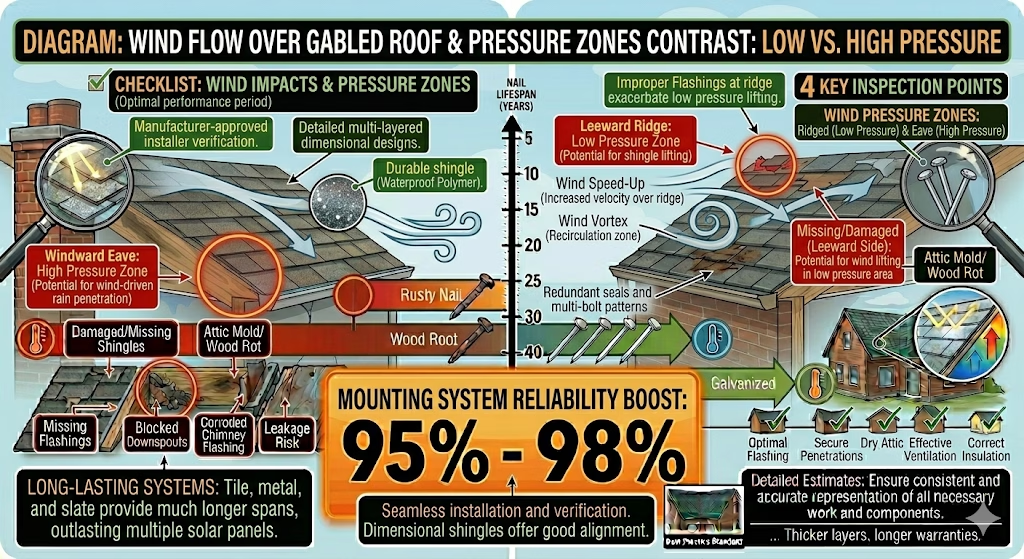
Wind doesn’t just hit your roof; it flows over it. As wind moves over the peak of your roof, it creates a pocket of low pressure. This creates “uplift”—a force that literally tries to suck the shingles or metal panels off the wooden decking.
If your shingles are old and brittle, or if the adhesive seal has been broken by previous minor roof damage, the wind can catch the edge of a single shingle and “zip” an entire section off in seconds.
2. The 6-Nail Rule: Quality Over Quantity
In standard conditions, many contractors use a 4-nail pattern per shingle. However, for high-wind regions like ours, a 6-nail pattern is the gold standard.
Information Gain Tip: It isn’t just about the number of nails; it’s about the “strike zone.” If a nail is driven too high, it misses the double-layer of shingles underneath, providing zero wind resistance. If it’s driven too low, it’s exposed to the elements and will rust. Our crews prioritize precision “high-wind” fastening patterns on every installation to ensure your warranty remains valid up to 110mph or higher.
3. Protecting the Perimeter: Drip Edges and Starters
The edges of your roof are the “front lines” of hurricane defense. If the wind can get under the first row of shingles (the starter strip), it can peel the entire roof back like a sardine can.
- Metal Drip Edges: These must be securely fastened to prevent wind from driving rain into your fascia boards.
- Gutter Reinforcement: During high winds, gutters full of water can become heavy and pull away, taking the edge of your roof with them. Ensuring your gutter system is clear and securely bracketed is a critical hurricane-prep step.
4. The Vulnerability of “Bruised” Shingles
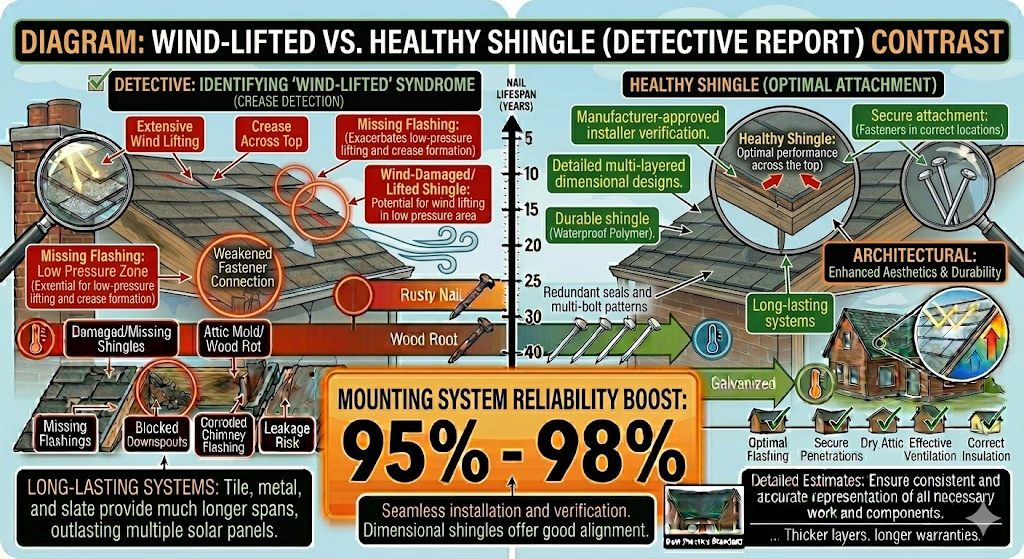
You might not see a hole in your roof, but “bruised” shingles from previous hail or small debris can be fatal during a hurricane. These “bruises” represent areas where the protective granules have been knocked away, exposing the fragile asphalt mat.
Under 100mph winds, these weakened spots become the “breaking points.” A quick visual audit now can identify these weak links before the first named storm of the season arrives.
5. Metal Roofing: The Hurricane Champion?
For homeowners looking for the ultimate in storm readiness, Standing Seam Metal Roofing is often the answer. Because the panels are interlocked and fastened with concealed clips, there are no exposed nail heads for the wind to grab.
Metal roofs in Central Virginia frequently carry wind ratings that far exceed those of traditional shingles, making them an excellent investment for homes in exposed, high-elevation areas or coastal-facing slopes.
Is Your Home Fastened for the Season?
Hurricane readiness isn’t something you can do once the clouds turn grey. It requires a proactive look at the fasteners, seals, and structural “bones” of your roof.
Don’t leave your home’s safety to chance. At Four Seasons Roofing, we provide the local expertise and high-standard craftsmanship needed to weather any storm. Whether you need a pre-season check-up or a storm-rated upgrade, we are here to help.
Contact Four Seasons Roofing for a Hurricane Readiness Inspection Today
Why Schedule a Call?
Popular Insights
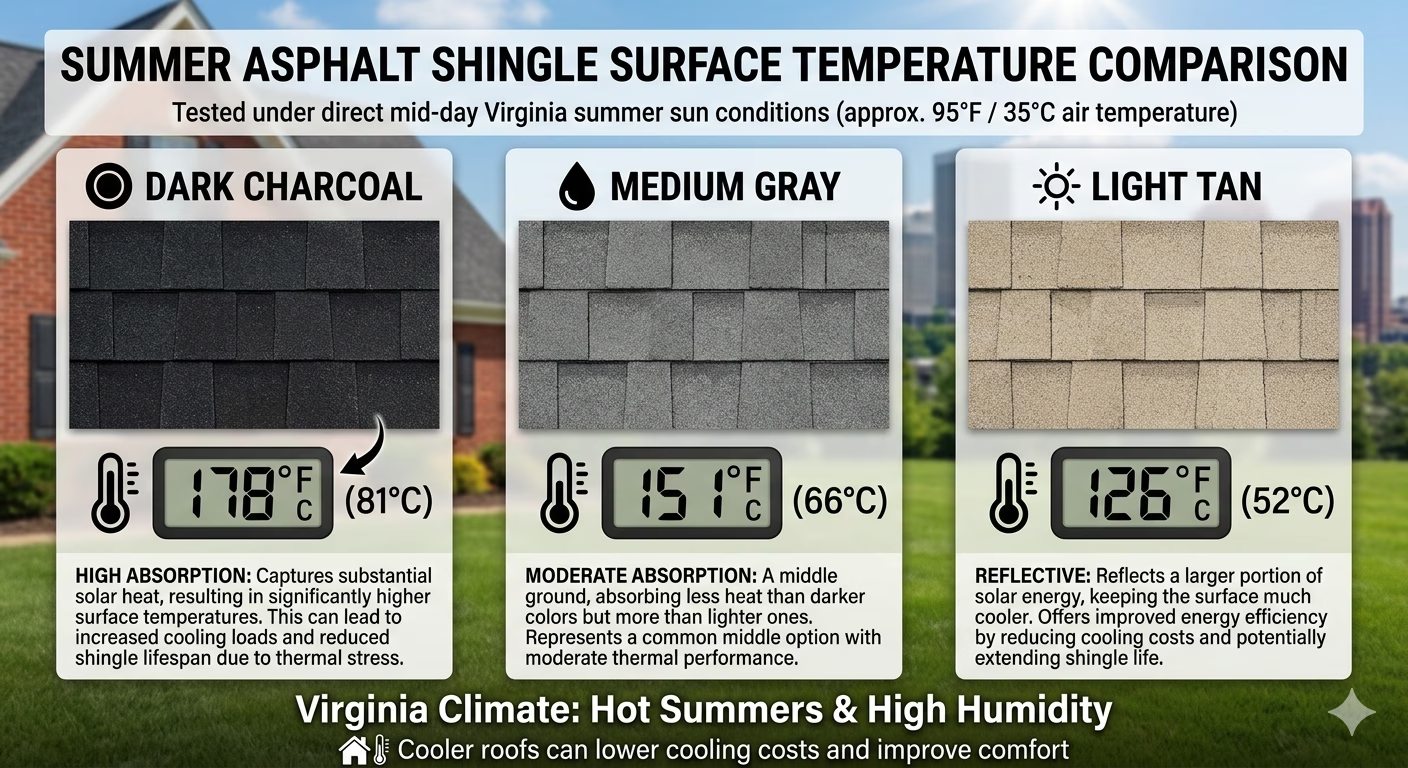
Can a New Roof Lower Your Virginia Energy Bills? What to Expect by Material and Season
Oct. 21, 2026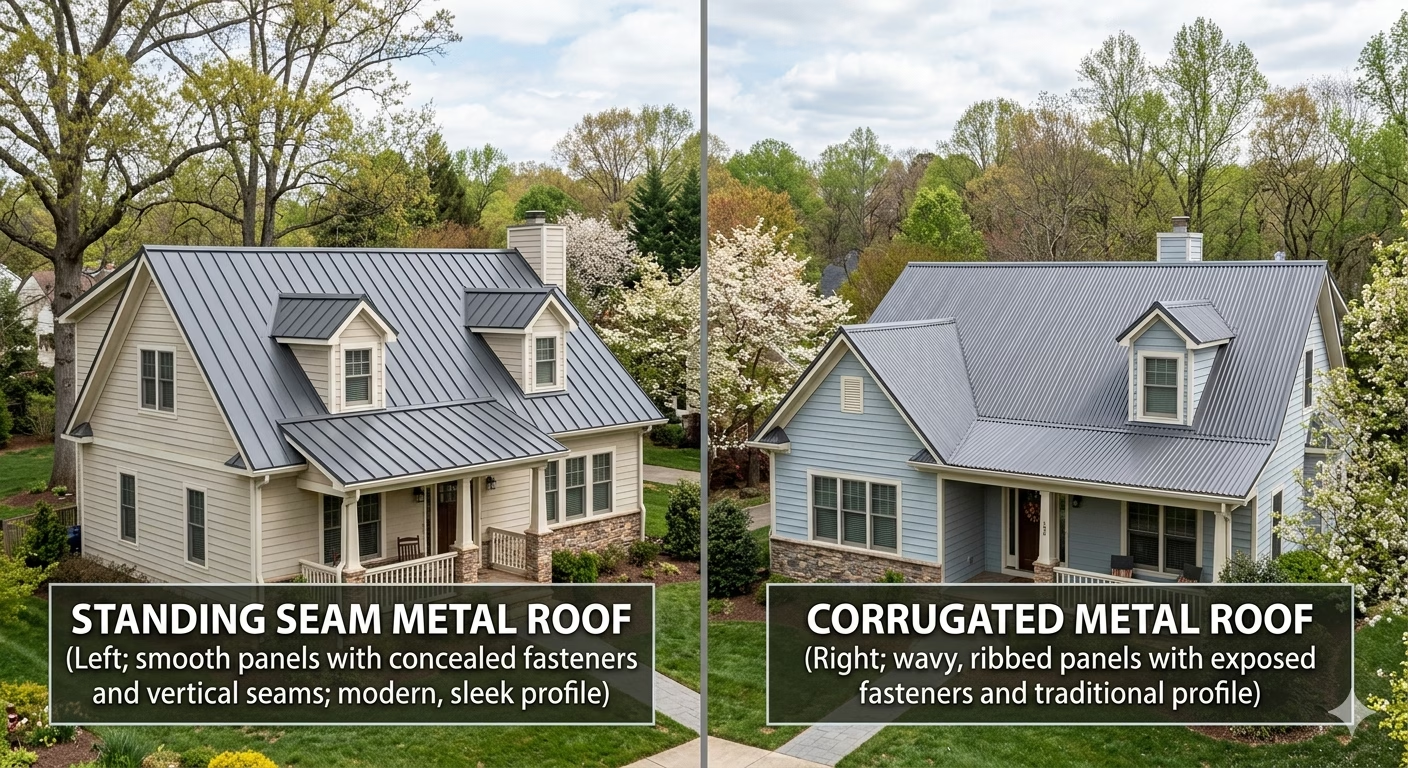
Repair or Replace? Assessing Your Roof After Hurricane Season
Oct. 09, 2026
How to Choose a Roofing Contractor in Virginia: 6 Questions That Separate Professionals from Fly-by-Nights
Oct. 02, 2026
New Roof Installation in Lynchburg, VA: What Homeowners Can Expect from Estimate to Final Day
Sep. 25, 2026
Storm Damage Roofing in Central Virginia: What to Do in the First 24 Hours After Your Roof Is Hit
Sep. 23, 2026Topics
Our Services
- Gutter Services
- Storm Damage Roofing
- Commercial Roofing Service
- BRAVA Cedar Shake Roofing Tile
- Insurance Claim Assistance
- Residential Roofing Services
- Roof Inspection Services
- Roof Repair Service
- Roof Replacement Service
- Shingle Roofing Service
- Metal Roofing Service
- Emergency Roof Repair Services
- BRAVA Spanish Tile
- BRAVA Slate Tile