
Contact Us Today
Uncategorized
Future-Proofing Your Home: Preparing Your Roof for Solar Integration
March 16, 2026
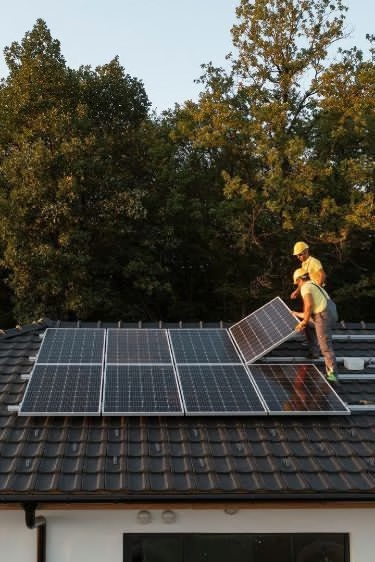
As Virginia homeowners increasingly turn to renewable energy to lower utility bills, solar panels have become a common sight in neighborhoods from Richmond to Northern Virginia. However, many homeowners make a critical mistake: they focus on the panels while ignoring the “foundation” those panels sit on, the roof.
Solar systems are designed to last 25 to 30 years. If your roof is already mid-way through its lifespan, you could face the massive expense of removing and reinstalling your solar array just to perform a roof repair. Here is how to future-proof your home by preparing your roof for solar.
1. The “Life-Cycle” Rule of Thumb
Before going solar, your roof should have at least 15 to 20 years of remaining life. If your shingles are curling or your roof is over 12 years old, the most cost-effective move is to replace the roof before the panels go up.
- Expert Tip: Combining a roof replacement with solar installation often qualifies you for better financing and ensures both systems age together.
- Explore: See our high-durability Roof Replacement options to start with a fresh slate.
2. Best Materials for Solar Compatibility
Not all roofing materials are created equal when it comes to supporting solar hardware.
- Asphalt Shingle Roofing: The standard for solar. They are easy to mount and seal, making installation fast and affordable.
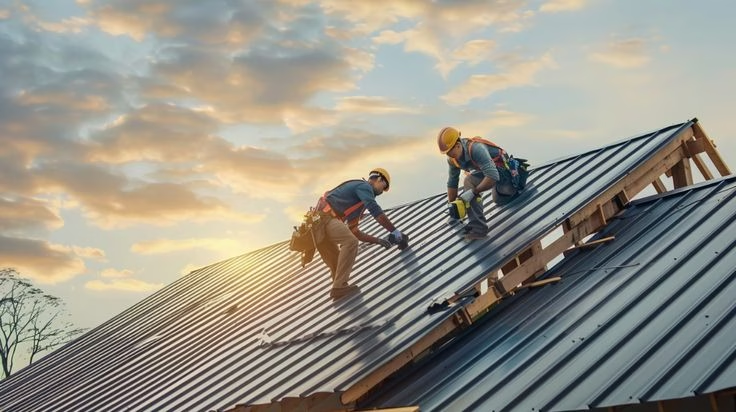
- Metal Roofing: Often considered the “Gold Standard” for solar. Standing seam metal roofs allow panels to be clamped onto the seams without a single penetration, virtually eliminating leak risks.
- Flat/Low-Slope Roofing: Requires specialized ballasted racking systems to ensure proper drainage and stability.
3. Structural & Weather Reinforcement
Virginia weather brings heavy snow loads and high winds. Solar panels add roughly 2.5 to 4 pounds of weight per square foot. A professional inspection ensures your rafters and decking can handle the extra load without sagging.
- Ventilation Matters: Panels can trap heat. Ensuring your Roof Ventilation is optimized will keep your attic cool and improve the efficiency of your solar cells.
4. Flashing and Leak Prevention
Every mounting point is a potential entry point for water. Using high-quality flashing and sealants is non-negotiable. If you have existing damage, a simple Roof Repair won’t suffice; you need a surface that is 100% watertight before the racking is bolted down.
Checklist: Is Your Roof Solar-Ready?
- [ ] Is the roof less than 10 years old?
- [ ] Are there zero signs of leaks in the attic?
- [ ] Is the roof material compatible with standard mounting?
- [ ] Is there enough unshaded space (at least 200 sq. ft.)?
Don’t let your solar investment turn into a roofing nightmare. Get a “Solar-Ready” inspection today.
Final Thoughts
Future-proofing is about long-term savings. By ensuring your roof is in peak condition today, you protect your solar investment for the next three decades.
Ready to power your home with the sun? Start with a solid foundation. Contact Four Seasons Roofing for a comprehensive roof evaluation before you go solar!
Why Schedule a Call?
Popular Insights
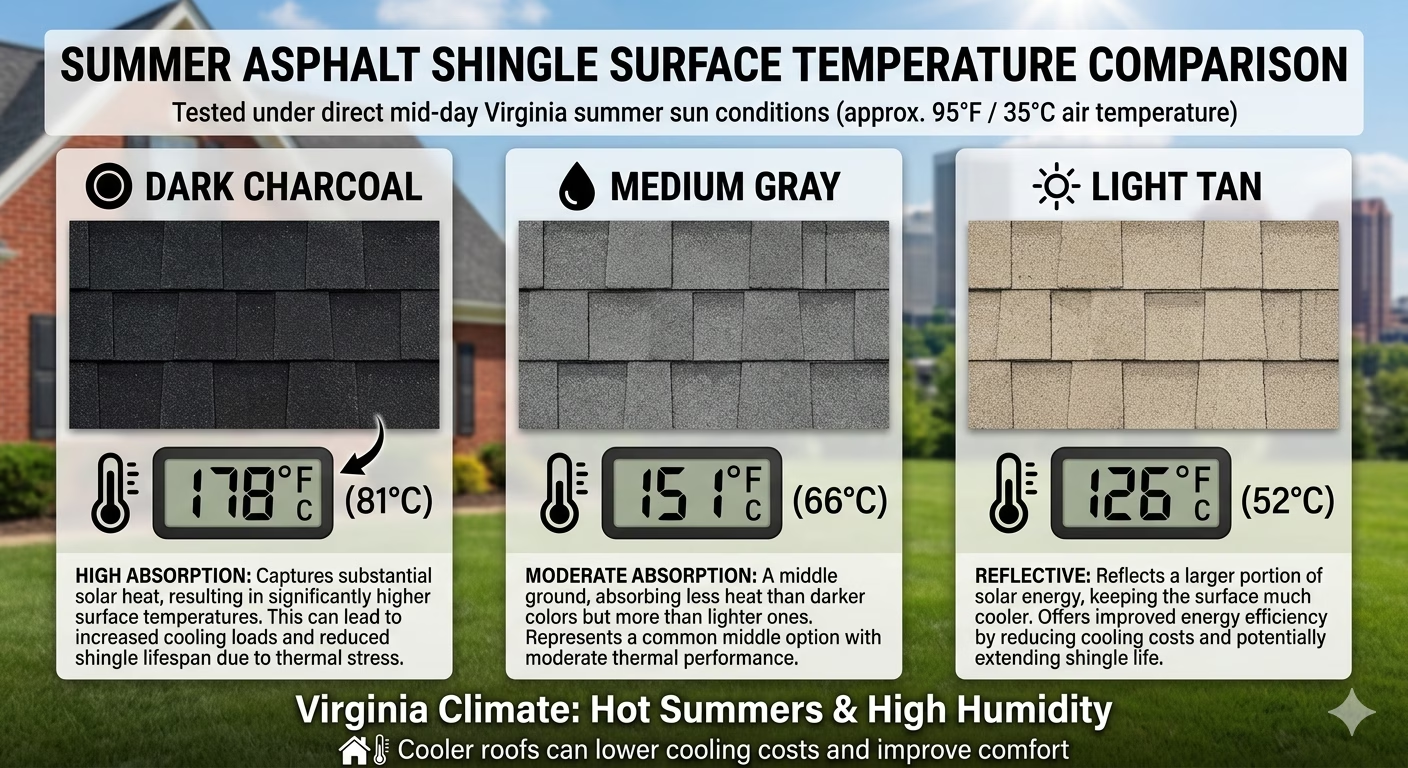
Can a New Roof Lower Your Virginia Energy Bills? What to Expect by Material and Season
Oct. 21, 2026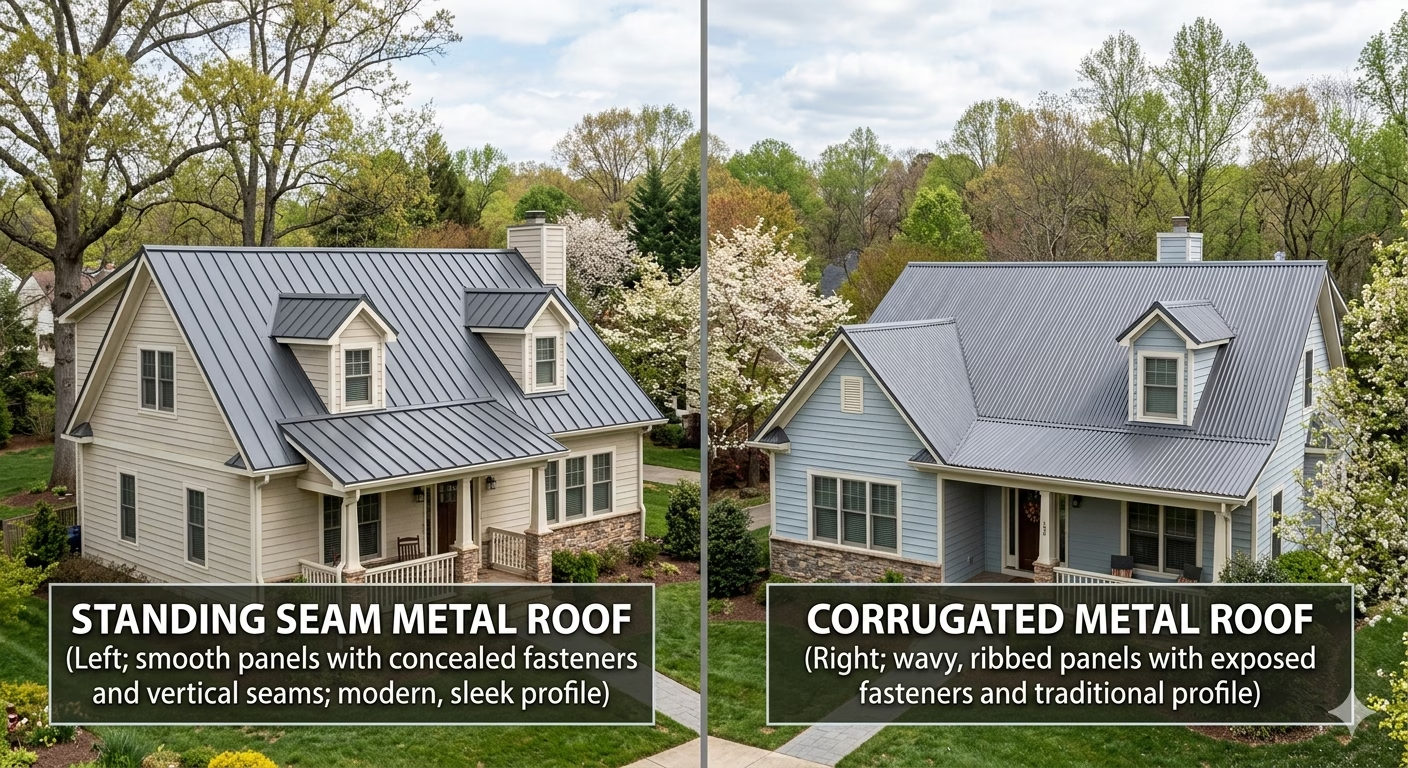
Assessing Your Roof: Repair or Replace Before Going Solar
Oct. 09, 2026
How to Choose a Roofing Contractor in Virginia: 6 Questions That Separate Professionals from Fly-by-Nights
Oct. 02, 2026
New Roof Installation in Lynchburg, VA: What Homeowners Can Expect from Estimate to Final Day
Sep. 25, 2026
Storm Damage Roofing in Central Virginia: What to Do in the First 24 Hours After Your Roof Is Hit
Sep. 23, 2026Topics
Our Services
- Gutter Services
- Storm Damage Roofing
- Commercial Roofing Service
- BRAVA Cedar Shake Roofing Tile
- Insurance Claim Assistance
- Residential Roofing Services
- Roof Inspection Services
- Roof Repair Service
- Roof Replacement Service
- Shingle Roofing Service
- Metal Roofing Service
- Emergency Roof Repair Services
- BRAVA Spanish Tile
- BRAVA Slate Tile