
Contact Us Today
posts
How to Spot a Roof Leak Early: The Homeowner’s Checklist
February 23, 2026
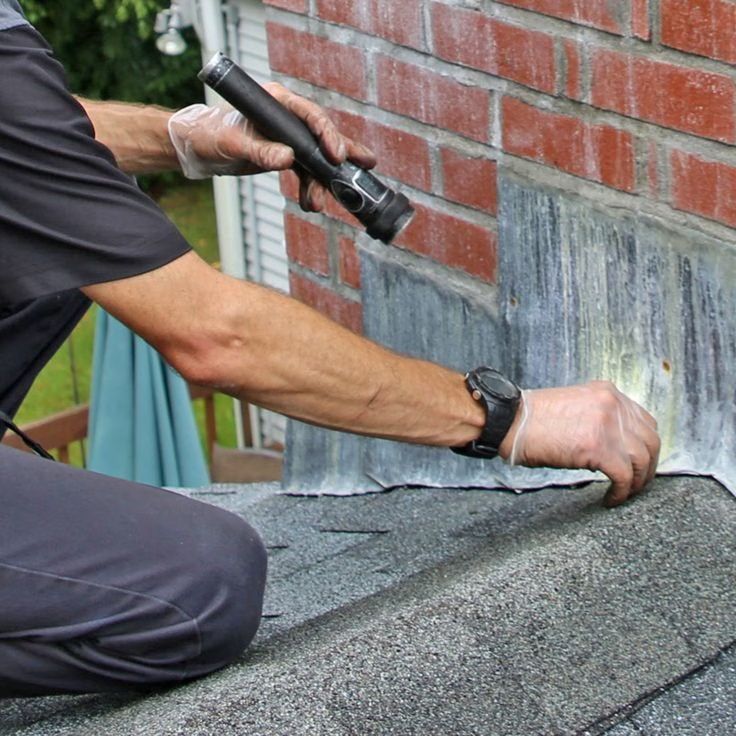
A roof leak rarely starts as a flood. It begins as a slow drip, often hidden behind drywall or inside attic insulation. By the time you see a puddle on the floor, the structural damage could already be extensive.
Learning how to spot a roof leak early can save you thousands of dollars in restoration costs. Here is our expert guide on the warning signs every Virginia homeowner should know.
1. Check Your Attic First
The attic is the “early warning system” for your roof. Once or twice a year, especially after a heavy Virginia rainstorm, head upstairs with a flashlight.
- Look for “Hot Spots”: Dark streaks or damp spots on the wood rafters are a clear sign of water infiltration.
- Check the Insulation: If your insulation is matted down, moldy, or damp, water is likely coming through the roof deck.
- Look for Mold: A musty smell in the attic often indicates trapped moisture from a slow, persistent leak.
2. Monitor Your Interior Ceilings and Walls
Water follows the path of least resistance. It may enter through a hole in the shingles but travel down a beam before dripping onto your ceiling.
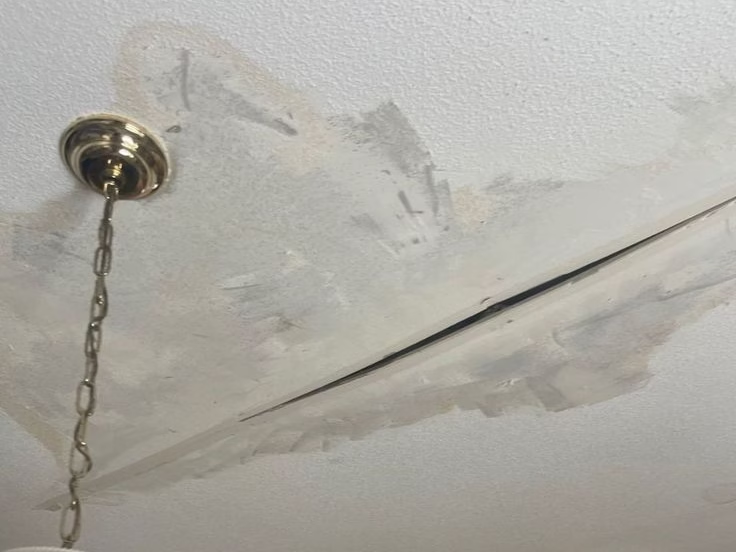
- Water Stains: Look for “tea-colored” rings on your ceiling. These are often small at first but grow after every storm.
- Peeling Paint: Moisture trapped behind paint causes it to bubble or peel, particularly near the tops of walls.
- Damp Drywall: If a wall feels cold or soft to the touch, there is likely moisture trapped behind it.
3. External Red Flags
You don’t always need to get on a ladder to see trouble. Grab a pair of binoculars and scan your roof from the safety of the ground.
- Damaged Shingles: Look for cracked, curling, or missing pieces. These gaps are the primary entry points for Asphalt Shingle Roofing leaks.
- Damaged Flashing: The metal around chimneys and vents is a common failure point. If it’s rusted or pulled away, a leak is inevitable.
- Granules in Gutters: Excessive “sand” in your gutters means your shingles are losing their waterproof layer.
4. Material-Specific Failure Points
Depending on your home’s architecture, certain materials have unique vulnerabilities:
- Metal Roofing: Check for loose fasteners or oxidation at the seams.
- Slate Roofing: Look for “ice damming” or cracked slates that have slipped out of place.
The Cost of Waiting
A small leak can lead to wood rot, black mold, and electrical hazards. If you find a leak early, a simple roof repair might be all you need. If ignored, you will eventually face a total Roof Replacement.
Suspect a leak? Don’t wait for the next storm to confirm it. Our thermal imaging inspections find leaks that the naked eye misses.
Why Schedule a Call?
Popular Insights
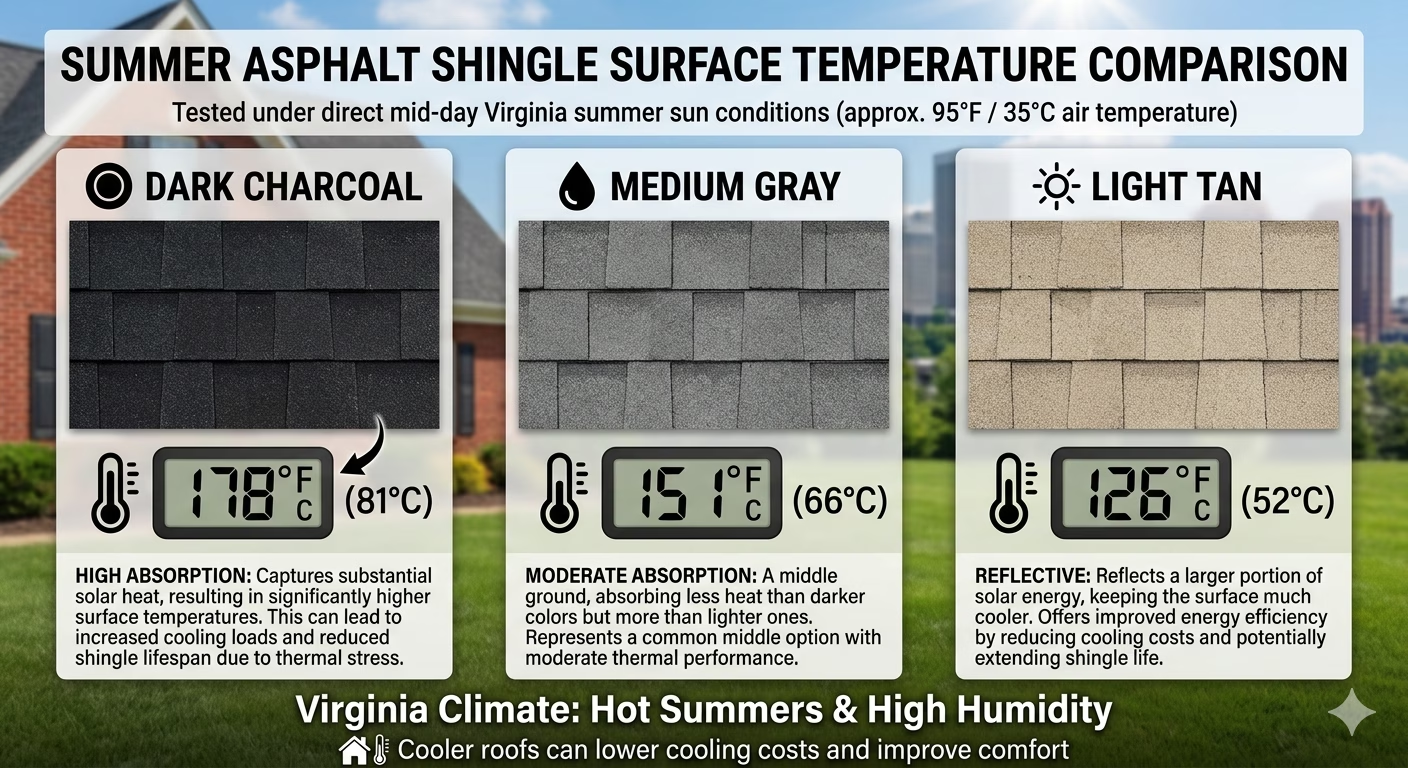
Can a New Roof Lower Your Virginia Energy Bills? What to Expect by Material and Season
Oct. 21, 2026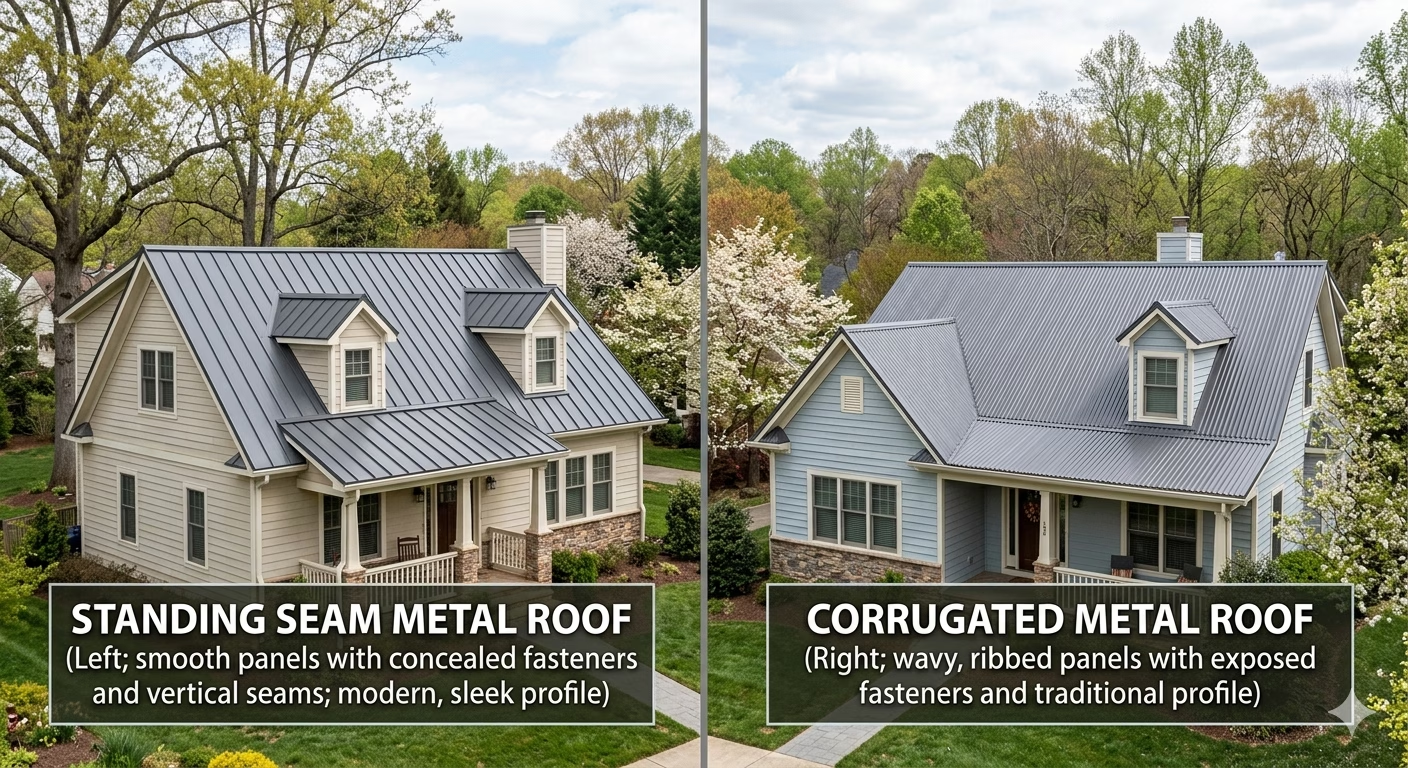
When to Contact Professional Roofing Services for Repairs
Oct. 09, 2026
How to Choose a Roofing Contractor in Virginia: 6 Questions That Separate Professionals from Fly-by-Nights
Oct. 02, 2026
New Roof Installation in Lynchburg, VA: What Homeowners Can Expect from Estimate to Final Day
Sep. 25, 2026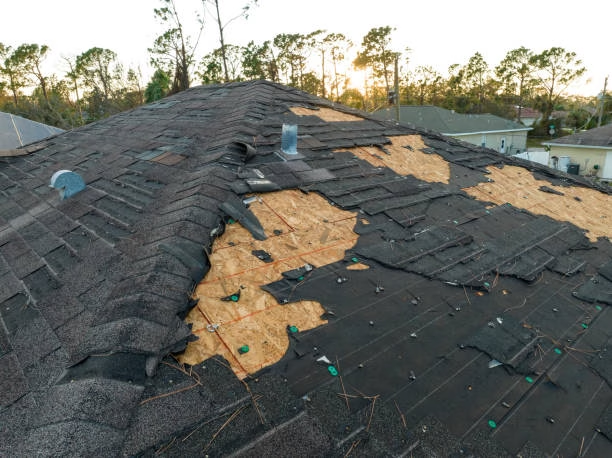
Storm Damage Roofing in Central Virginia: What to Do in the First 24 Hours After Your Roof Is Hit
Sep. 23, 2026Topics
Our Services
- Gutter Services
- Storm Damage Roofing
- Commercial Roofing Service
- BRAVA Cedar Shake Roofing Tile
- Insurance Claim Assistance
- Residential Roofing Services
- Roof Inspection Services
- Roof Repair Service
- Roof Replacement Service
- Shingle Roofing Service
- Metal Roofing Service
- Emergency Roof Repair Services
- BRAVA Spanish Tile
- BRAVA Slate Tile