
Contact Us Today
posts
Seasonal Roof Maintenance Tips: A Year-Round Guide for Homeowners
March 2, 2026
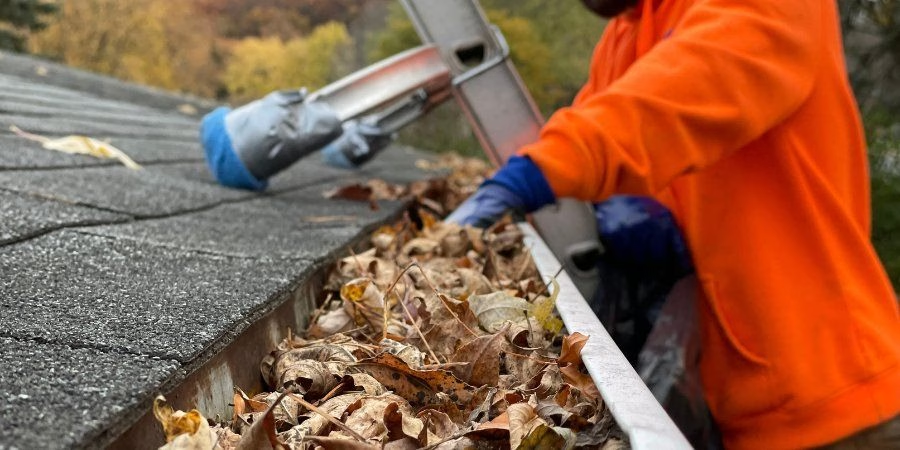
Your roof is a system that works 24/7 to protect your home. In Virginia, our dramatic shift in seasons, from pollen-heavy springs to icy winters, requires a proactive maintenance strategy. By following a seasonal checklist, you can extend the life of your roof and avoid the need for premature replacement.
Here is your guide to essential seasonal roof maintenance tips to keep your home safe all year long.
Spring: The Post-Winter Recovery
After a long winter of freezing and thawing, spring is the time to assess any damage and prepare for the humid months ahead.
- Clear the Gutters: Remove leaves and twigs that have accumulated. Clogged gutters lead to water backing up under your shingles.
- Check for Algae: Look for black streaks. If your Asphalt Shingle Roofing is showing signs of organic growth, it may need a professional cleaning to prevent rot.
- Inspect Flashing: Ensure the metal seals around your chimney haven’t pulled away during the winter freeze.
Summer: Managing the Heat
The intense Virginia sun can bake shingles, causing them to become brittle and lose their protective granules.
- Ventilation Check: Ensure your attic is breathing. Proper airflow prevents heat from “cooking” your roof from the inside out.
- Storm Readiness: Summer thunderstorms bring high winds. Check for loose panels on your Metal Roofing to ensure everything is secure before storm season peaks.
Fall: The Essential Pre-Winter Prep
Fall is arguably the most important season for maintenance. Debris left on the roof during winter will trap moisture and cause wood rot.
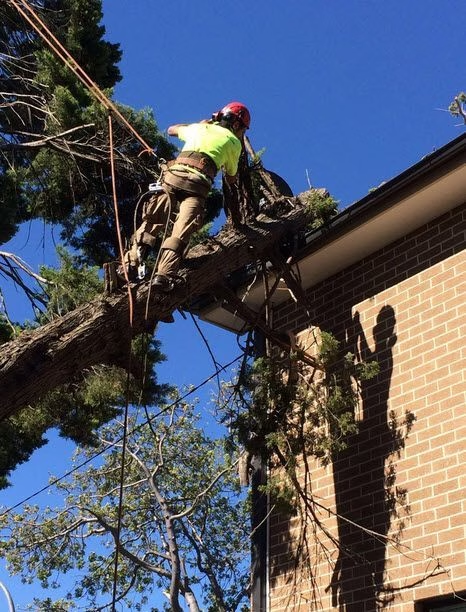
- Trim Overhanging Branches: High winds can cause heavy limbs to scrape against your roof or fall during a snowstorm.
- Clear Valleys: Ensure the “valleys” of your roof, where two slopes meet, are clear of debris. This is a common failure point for Cedar Shake Roofing and luxury systems.
Winter: Dealing with Ice and Snow
While you shouldn’t be on your roof in the winter, you should monitor it from the ground.
- Watch for Ice Dams: If you see large icicles hanging from the eaves, it’s a sign that heat is escaping your attic and melting snow, which then refreezes at the edges.
- Monitor Flat Areas: If you have Flat/Low-Slope Roofing, ensure heavy snow doesn’t accumulate to dangerous weight levels.
Professional vs. DIY Maintenance
While homeowners can do a visual check from the ground, a professional has the safety equipment to inspect high-risk areas like Slate Roofing tiles, which can be easily damaged by walking on them incorrectly.
If your maintenance check reveals a problem, don’t wait. Whether you need a small fix or a Complete Roof Replacement, Four Seasons Roofing is here to help. Contact us today to discuss all your materials and options!
Why Schedule a Call?
Popular Insights
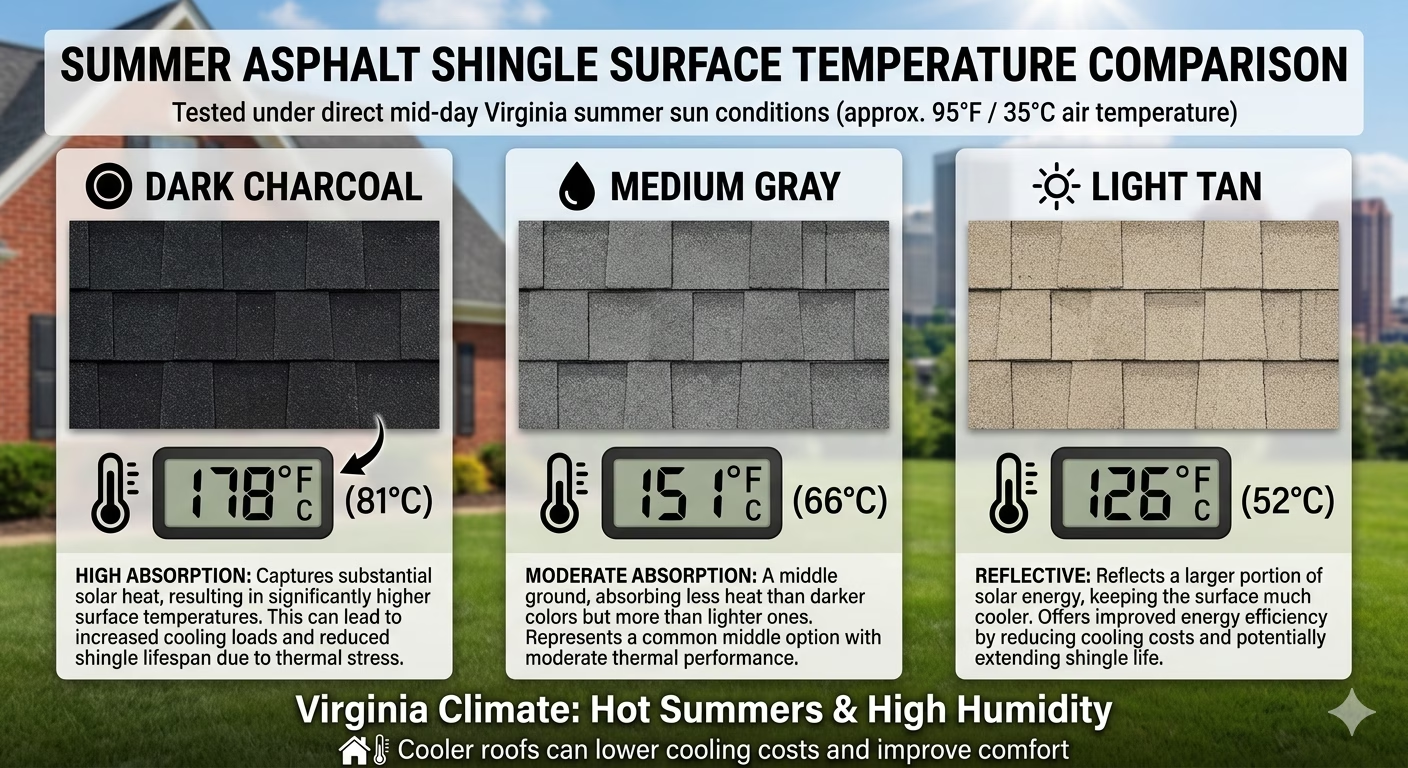
Can a New Roof Lower Your Virginia Energy Bills? What to Expect by Material and Season
Oct. 21, 2026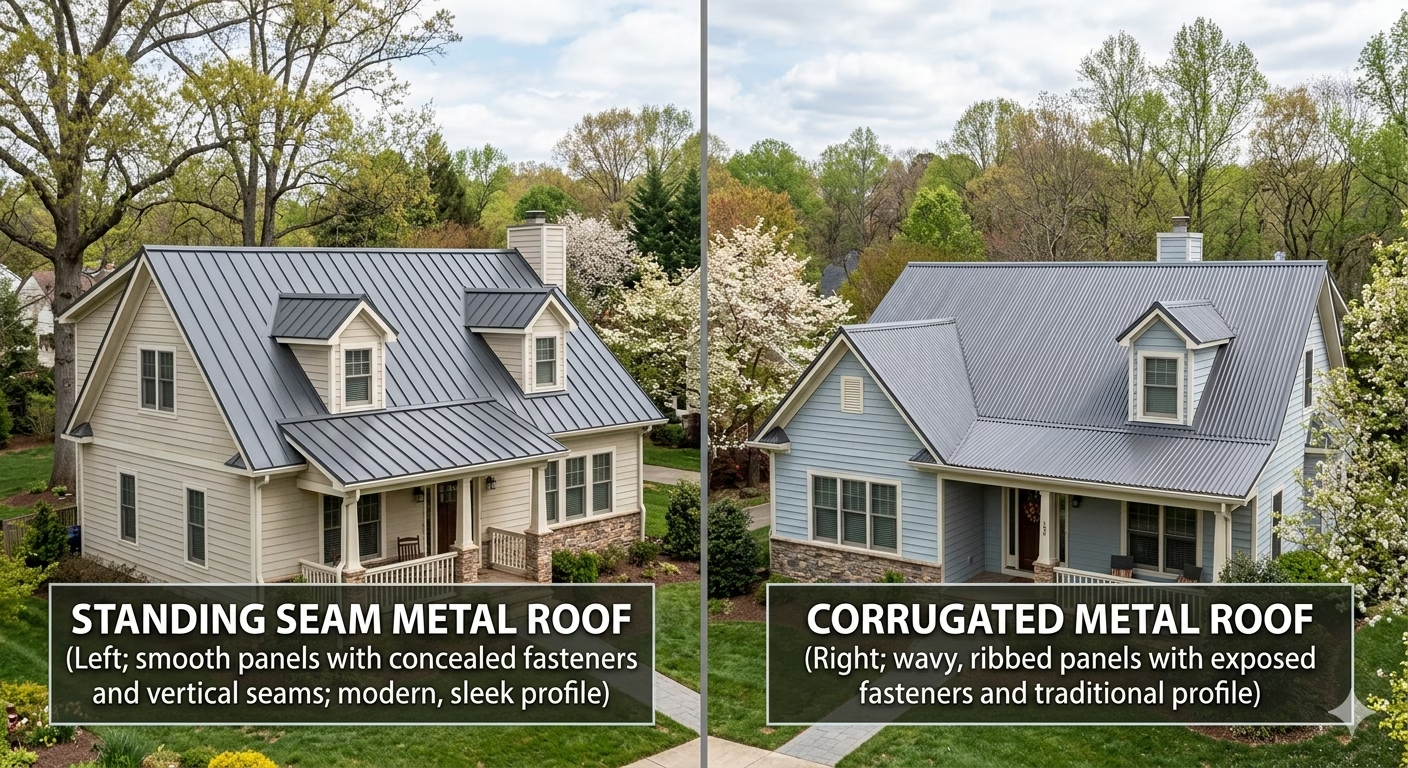
The Importance of Quality Craftsmanship in Virginia Roofing
Oct. 09, 2026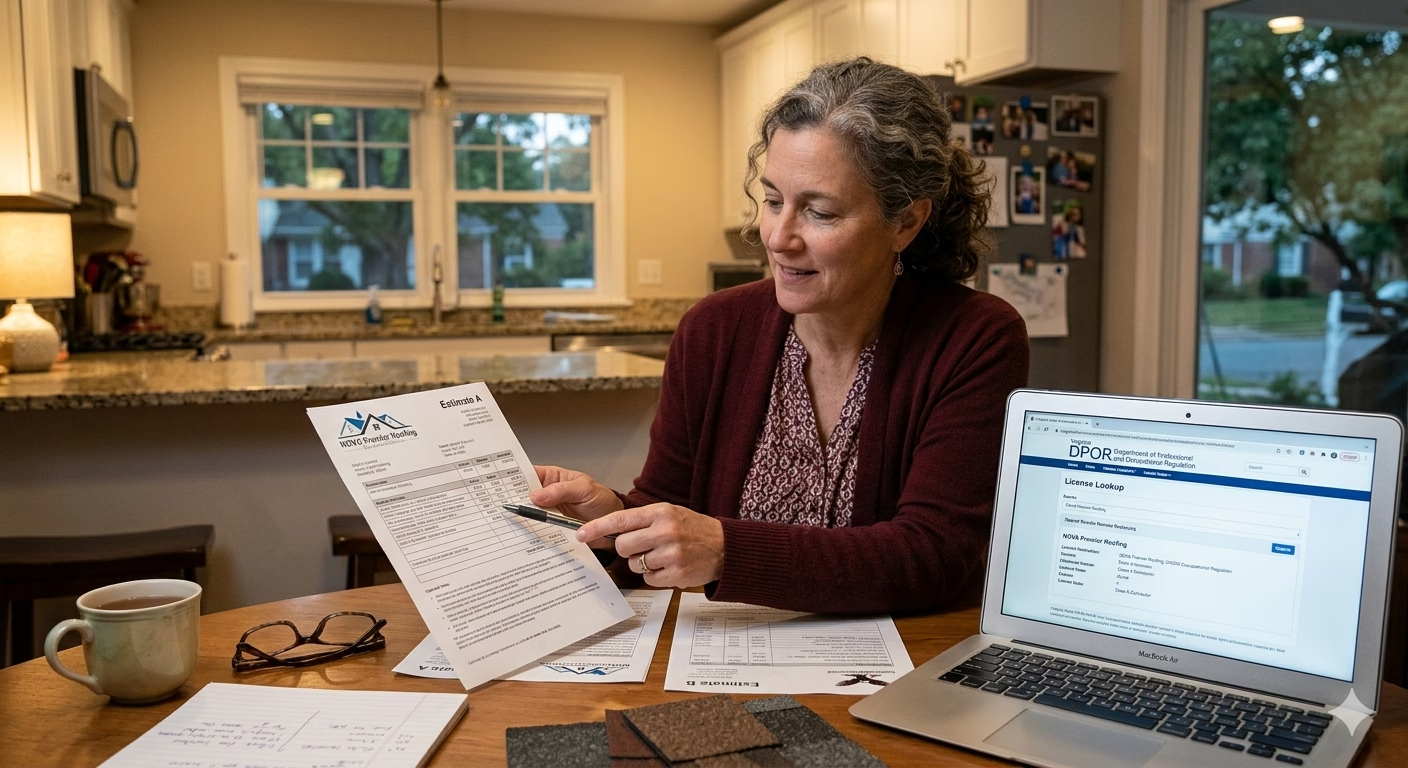
How to Choose a Roofing Contractor in Virginia: 6 Questions That Separate Professionals from Fly-by-Nights
Oct. 02, 2026
New Roof Installation in Lynchburg, VA: What Homeowners Can Expect from Estimate to Final Day
Sep. 25, 2026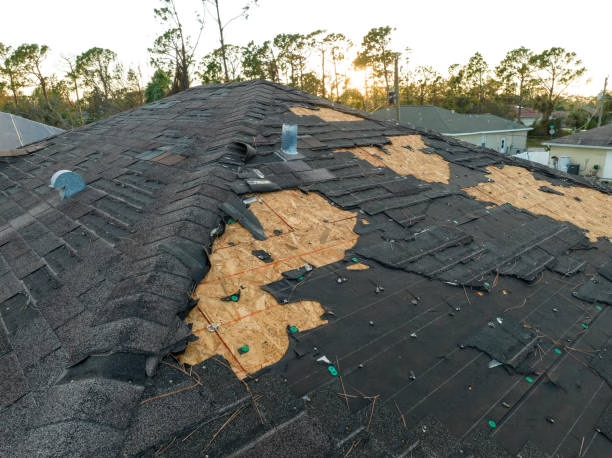
Storm Damage Roofing in Central Virginia: What to Do in the First 24 Hours After Your Roof Is Hit
Sep. 23, 2026Topics
Our Services
- Gutter Services
- Storm Damage Roofing
- Commercial Roofing Service
- BRAVA Cedar Shake Roofing Tile
- Insurance Claim Assistance
- Residential Roofing Services
- Roof Inspection Services
- Roof Repair Service
- Roof Replacement Service
- Shingle Roofing Service
- Metal Roofing Service
- Emergency Roof Repair Services
- BRAVA Spanish Tile
- BRAVA Slate Tile