
Contact Us Today
Uncategorized
Tree Care for a Healthy Roof: Managing Virginia’s Oaks and Pines
March 26, 2026
Key Takeaways
- The 6-Foot Rule: Maintain a minimum 6-foot clearance between branches and shingles to prevent “scouring” and pest access.
- Acidic Needles: Pine needles trap moisture and carry high acidity that can prematurely degrade asphalt granules.
- Oak Debris: Heavy “catkins” in spring and broad leaves in fall create “compost dams” in roof valleys.
- Professional Audits: Annual inspections are critical for homes under heavy canopy to catch “silent” punctures from falling limbs.
The Beauty and the Burden of the Virginia Canopy
In Virginia, our landscape is defined by the majestic reach of White Oaks and the resilient needles of Loblolly Pines. While these trees provide essential shade and curb appeal, they are also the primary “silent predators” of a residential roofing system.
At Four Seasons Roofing, we’ve seen how quickly a season of fallen needles or a single overhanging limb can turn into a costly emergency. Understanding how to co-exist with Virginia’s native canopy is the first step in avoiding premature roof replacement.
1. The Mighty Oak: Heavy Impact and Organic “Compost”
Oaks are a staple of the Virginia suburbs, but they pose two distinct threats to your roof: mechanical impact and moisture retention.
Mechanical Damage
Oaks are prone to dropping “widow-makers”—heavy, dead branches that can fall even on calm days. Unlike smaller trees, an Oak limb has the weight to puncture decking or crack the seal of a high-quality shingle.
The “Compost” Effect
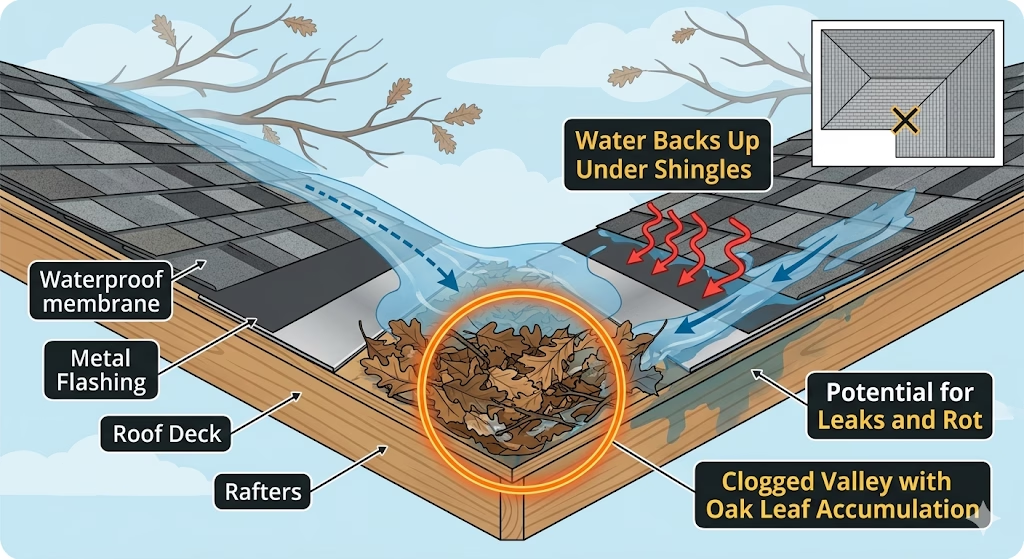
In the spring, Oaks drop stringy tassels called catkins; in the fall, they drop heavy, flat leaves. When these accumulate in roof valleys, they trap moisture against the shingles. This creates a “compost pile” effect that rots the asphalt and invites moss growth.
2. The Persistent Pine: Acid, Needles, and Clogs
Pine trees (specifically the Loblolly and Virginia Pine) don’t wait for autumn to shed. They drop needles year-round, and their “aerodynamic” shape allows them to slide into the tightest crevices of your roof.
- Granule Erosion: Pine needles are highly acidic. As they decompose on your roof, that acidity can accelerate the shedding of protective granules on your shingles.
- Gutter Failure: Needles are notorious for bypassing standard gutter guards. Once they weave together in your troughs, they create a waterproof mat that leads to gutter overflows and fascia rot.
3. Strategic Management: Protecting Your Investment
You don’t have to clear-cut your lot to save your roof. Smart management is about creating a “buffer zone.”
The 6-to-10 Foot Clearance
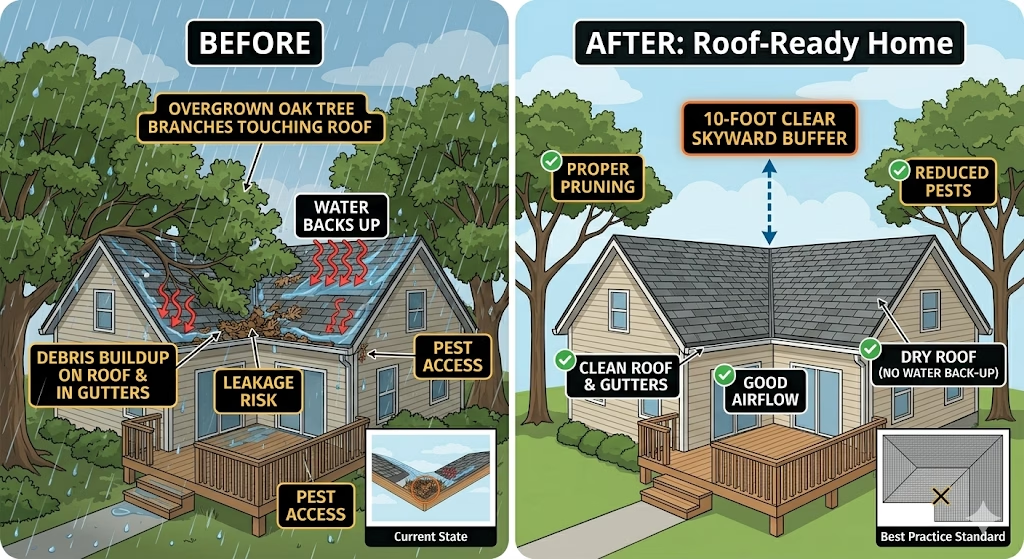
We recommend that no branch hangs within 6 to 10 feet of your roofline. This distance prevents:
- Shingle Scouring: Wind causes branches to “sweep” across the roof, acting like sandpaper on your shingles.
- Animal Bridges: Squirrels and raccoons use overhanging branches as easy access points to your attic and vents.
Managing Internal Shading
If your roof never sees the sun because of a dense Oak canopy, it cannot dry out after Virginia’s humid summer thunderstorms. Constant dampness leads to Gloeocapsa Magma (the black streaks you see on roofs) which eats away at the limestone filler in your shingles.
When to Call the Experts
Sometimes the damage from trees isn’t visible from the ground. Small punctures from falling sticks or “popped” shingles from branch strikes require a professional eye to detect before the next heavy rain.
If your home is nestled under Virginia’s beautiful Oaks and Pines, it’s vital to have a partner who understands local conditions. Whether you need a post-storm check-up or a free roofing estimate to assess debris damage, our team is here to help.
Summary Checklist for Homeowners:
- [ ] Trim branches back 6+ feet from the roofline.
- [ ] Clean roof valleys of Pine needles at least twice a year.
- [ ] Inspect gutters for “sand-like” granules after heavy debris buildup.
- [ ] Ensure your attic ventilation is clear of nested leaves or needles.
Protect your home from the canopy above. Contact Four Seasons Roofing today to ensure your roof is healthy, clear, and ready for the season ahead.
Why Schedule a Call?
Popular Insights
Can a New Roof Lower Your Virginia Energy Bills? What to Expect by Material and Season
Oct. 21, 2026
Repair or Replace: Assessing Your Virginia Roof’s Needs
Oct. 09, 2026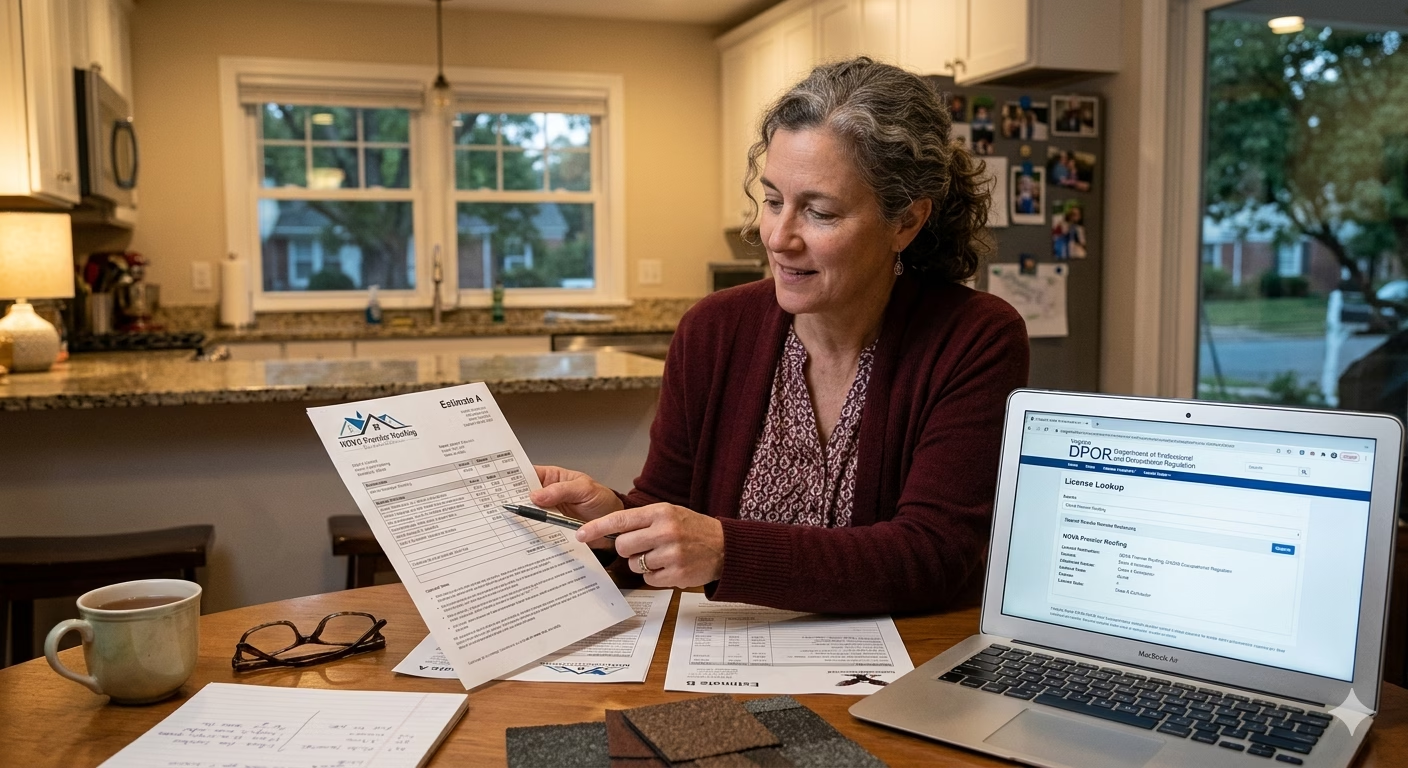
How to Choose a Roofing Contractor in Virginia: 6 Questions That Separate Professionals from Fly-by-Nights
Oct. 02, 2026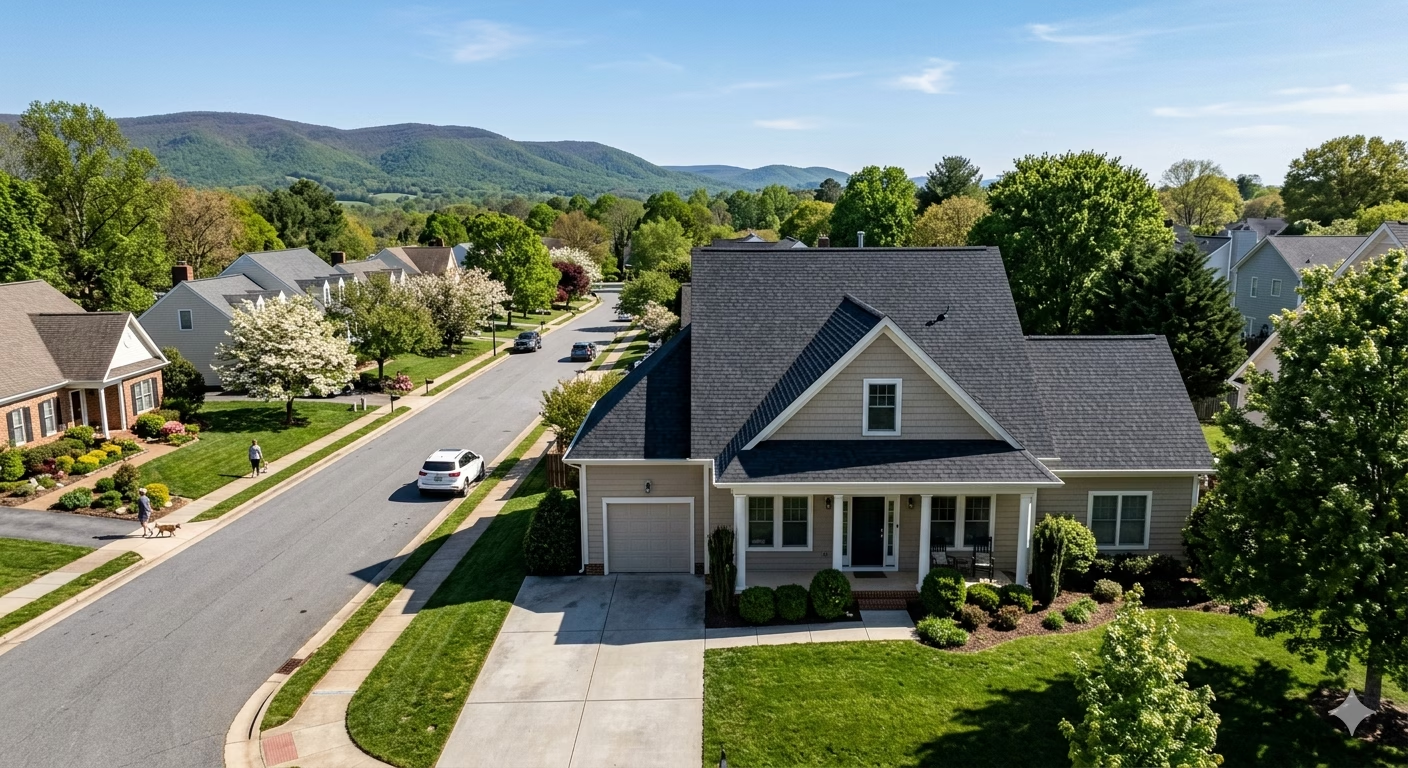
New Roof Installation in Lynchburg, VA: What Homeowners Can Expect from Estimate to Final Day
Sep. 25, 2026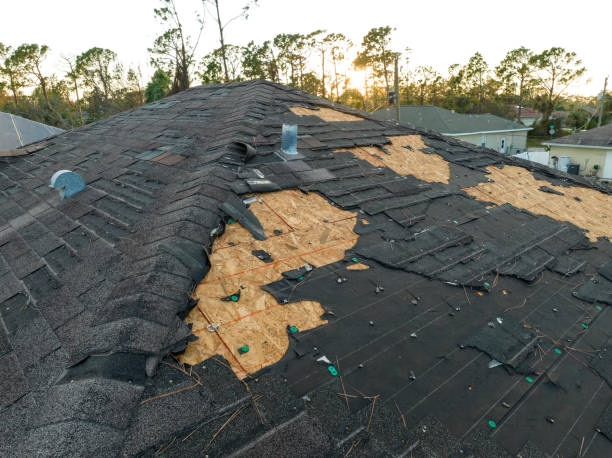
Storm Damage Roofing in Central Virginia: What to Do in the First 24 Hours After Your Roof Is Hit
Sep. 23, 2026Topics
Our Services
- Gutter Services
- Storm Damage Roofing
- Commercial Roofing Service
- BRAVA Cedar Shake Roofing Tile
- Insurance Claim Assistance
- Residential Roofing Services
- Roof Inspection Services
- Roof Repair Service
- Roof Replacement Service
- Shingle Roofing Service
- Metal Roofing Service
- Emergency Roof Repair Services
- BRAVA Spanish Tile
- BRAVA Slate Tile