Contact Us Today
Uncategorized
Hidden Costs of Cheap Roofing: Why Low Bids Backfire
April 22, 2026
Key Takeaways
- The “Price vs. Value” Trap: A bid that is 20% lower often indicates skipped steps in underlayment or ventilation.
- Warranty Risks: Many “budget” contractors aren’t certified, which can instantly void your shingle manufacturer’s 30-year warranty.
- Liability Leaks: Hiring uninsured crews can leave the homeowner legally responsible for onsite injuries or property damage.
- The 5-Year Fail: Cheap roofs typically fail in 5–7 years, whereas a quality installation lasts 25–30, making the “cheap” option twice as expensive over time.
The Temptation of the “Bottom-Dollar” Bid
In Central Virginia, a roof replacement is a significant investment. When you receive three estimates and one is thousands of dollars lower than the others, it’s tempting to jump at the “savings.”
However, in the roofing industry, a drastically lower price isn’t usually a sign of efficiency—it’s a sign of a shortcut. At Four Seasons Roofing, we’ve spent years performing emergency roof repairs on systems that were less than five years old but were failing due to poor initial workmanship.
Here is what is actually happening behind the scenes of a “cheap” roofing estimate.
1. Reusing Old Flashing and Drip Edges
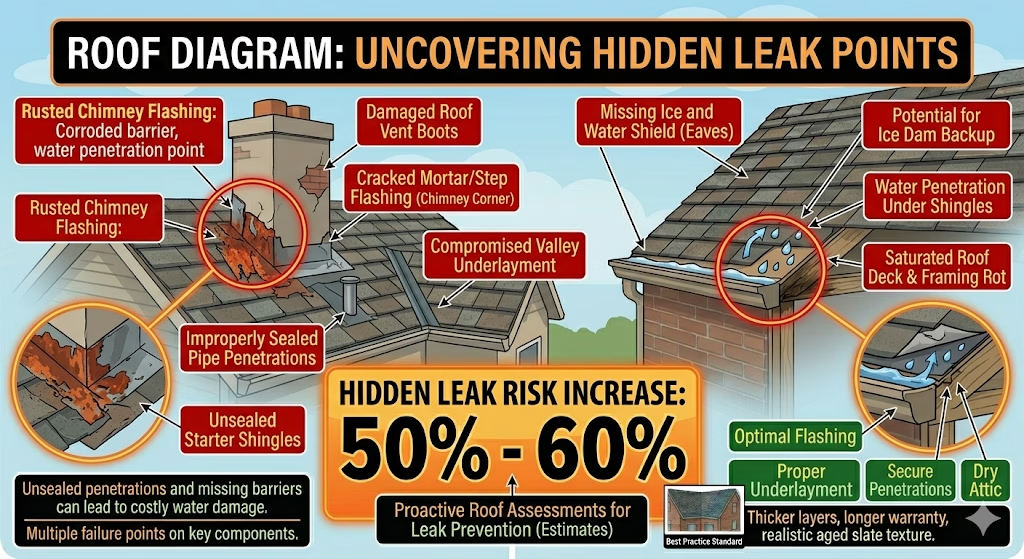
Flashing is the metal material that seals joints around chimneys, vents, and valleys. A budget contractor will often “save” money by leaving your old, rusted, or bent flashing in place and simply sealing it with caulk.
The Reality: Caulk fails in the Virginia sun within 2–3 years. Once it cracks, water flows directly into your attic. A quality roofing installation should always include new, custom-fitted flashing to ensure a watertight seal.
2. Low-Quality Underlayment (The “Paper” Problem)
What goes under your shingles is just as important as the shingles themselves. Cheap bids often use traditional #15 felt paper, which can tear easily during installation and rot over time.
The Information Gain: Premium contractors use synthetic underlayment. It is virtually untearable and provides a secondary waterproof barrier. If your estimate doesn’t specify “synthetic underlayment” or “Ice and Water Shield” for your valleys and eaves, you are likely looking at a “paper” roof that won’t survive a Virginia ice storm.
3. The Lack of Proper Ventilation
Many budget crews focus only on the “on-roof” work and ignore the attic. If a contractor doesn’t calculate the intake and exhaust requirements of your home, they are essentially building an oven.
In our humid Central VA summers, trapped heat will “cook” your shingles from the inside out, causing them to curl and blister. This isn’t a shingle defect—it’s an installation error—which means your manufacturer’s warranty won’t cover the replacement.
4. Uninsured Crews and Liability Risks
Labor is the highest cost in roofing. Low-bid contractors often cut costs by hiring “sub-crews” who lack Workers’ Compensation or General Liability insurance.
- The Risk: If a worker falls on your property and the contractor isn’t insured, the legal and medical liability can fall directly on your homeowners’ insurance.
- The Solution: Always ask for a current COI (Certificate of Insurance). At Four Seasons Roofing, we prioritize the safety of our team and the protection of your assets above all else.
5. The “Tailgate Warranty”
A “cheap” contractor might offer a “10-year labor warranty,” but if they change their phone number or close their business next season, that paper is worthless. This is known in the industry as a “tailgate warranty”—it lasts as long as you can see the contractor’s tailgate driving away.
How to Spot a “Healthy” Roofing Quote
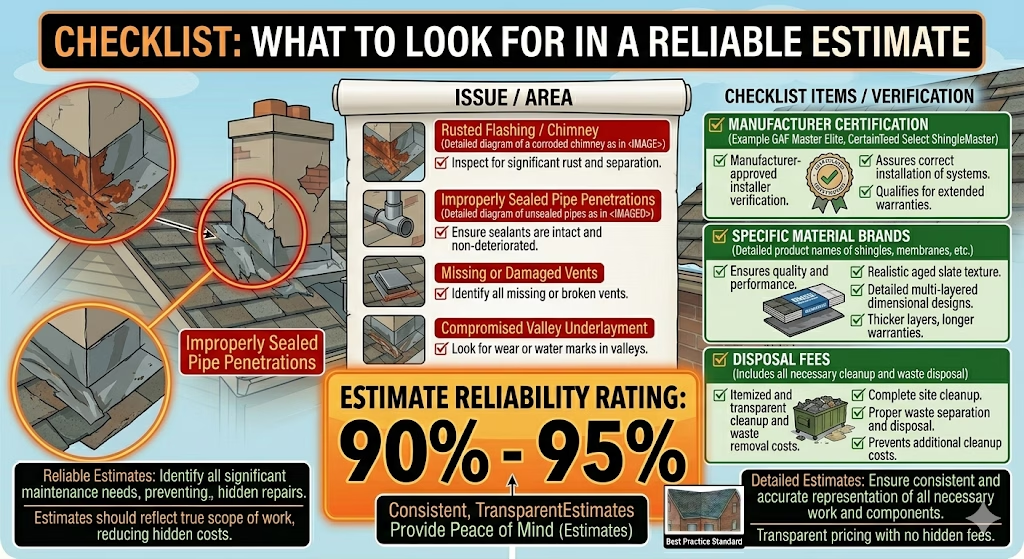
A professional estimate should be a detailed document, not a number scribbled on a notepad. To protect your home’s value, look for these specific line items:
- Permit Fees: Does the contractor handle the local VA building permits?
- Decking Replacement: Is there a clear price per sheet if rotten wood is found?
- Gutter Protection: Does the quote include protecting or replacing your gutter system during the tear-off process?
- Cleanup: Is a magnetic sweep for nails included?
Don’t Pay for the Same Roof Twice
The most expensive roof you will ever buy is a “cheap” roof that has to be replaced twice. Investing in Amish-quality craftsmanship and high-grade materials today ensures your home stays dry for the next three decades.
Looking for an honest, transparent estimate you can trust? Contact Four Seasons Roofing today for a detailed Roof Health Assessment.
Why Schedule a Call?
Popular Insights
Can a New Roof Lower Your Virginia Energy Bills? What to Expect by Material and Season
Oct. 21, 2026
The Value of Expert Craftsmanship in Quality Roofing Installations
Oct. 09, 2026
How to Choose a Roofing Contractor in Virginia: 6 Questions That Separate Professionals from Fly-by-Nights
Oct. 02, 2026
New Roof Installation in Lynchburg, VA: What Homeowners Can Expect from Estimate to Final Day
Sep. 25, 2026
Storm Damage Roofing in Central Virginia: What to Do in the First 24 Hours After Your Roof Is Hit
Sep. 23, 2026Topics
Our Services
- Gutter Services
- Storm Damage Roofing
- Commercial Roofing Service
- BRAVA Cedar Shake Roofing Tile
- Insurance Claim Assistance
- Residential Roofing Services
- Roof Inspection Services
- Roof Repair Service
- Roof Replacement Service
- Shingle Roofing Service
- Metal Roofing Service
- Emergency Roof Repair Services
- BRAVA Spanish Tile
- BRAVA Slate Tile