Contact Us Today
Uncategorized
The 15-Minute Attic Audit: How to Spot Roof Problems from the Inside
May 6, 2026
Key Takeaways
- The Flashlight Test: How to spot “daylight” through your roof deck (and when it’s actually a good thing).
- The “Musty” Warning: Why the smell of your attic is the first indicator of a failing ventilation system.
- Rust and Water Stains: Identifying the difference between a “slow drip” and a seasonal condensation issue.
- Energy Loss: How compressed insulation can be a red flag for structural moisture.
Why Your Attic is a “Crystal Ball” for Roof Health
Most Central Virginia homeowners only look at their roof from the curb. While a missing shingle is easy to spot, the most expensive roofing failures start where you can’t see them: in the dark, quiet corners of your attic.
At Four Seasons Roofing, we believe that a little bit of homeowner “detective work” can save you thousands in emergency roof repairs. You don’t need to be a contractor to spot trouble—you just need a flashlight and 15 minutes.
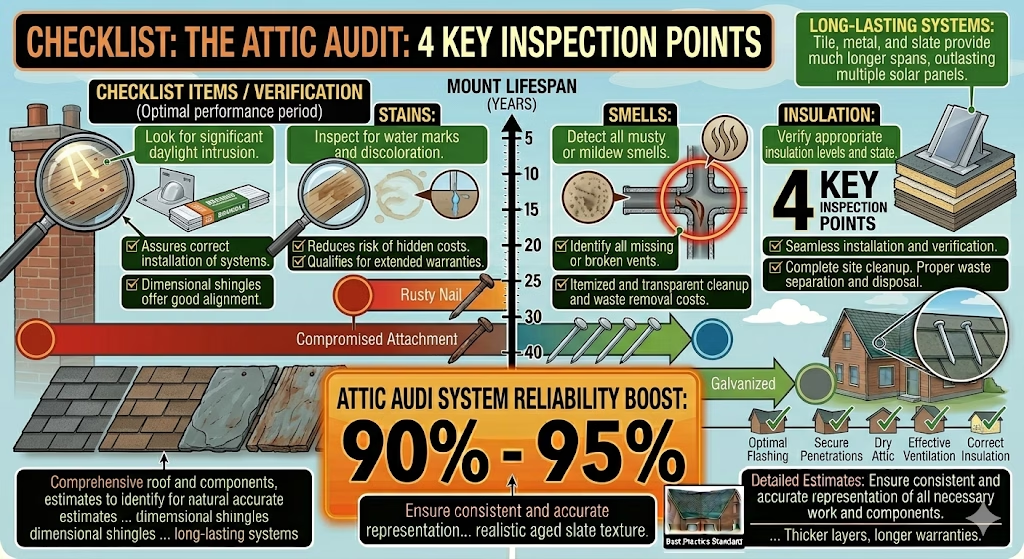
Step 1: The “Daylight” Inspection (5 Minutes)
Go into your attic during a bright, sunny afternoon. Turn off all the lights and wait for your eyes to adjust.
- What to look for: Pinpricks of light coming through the roof boards.
- The Verdict: If you see light near the ridge (the very top) or under the eaves, that is likely your ventilation system working correctly. However, if you see light in the middle of a plywood sheet or near a chimney, you have a hole that water will find.
Step 2: Tracking the “Shadow Leaks” (5 Minutes)
Grab your flashlight and scan the underside of the roof deck (the wooden boards) and the rafters.
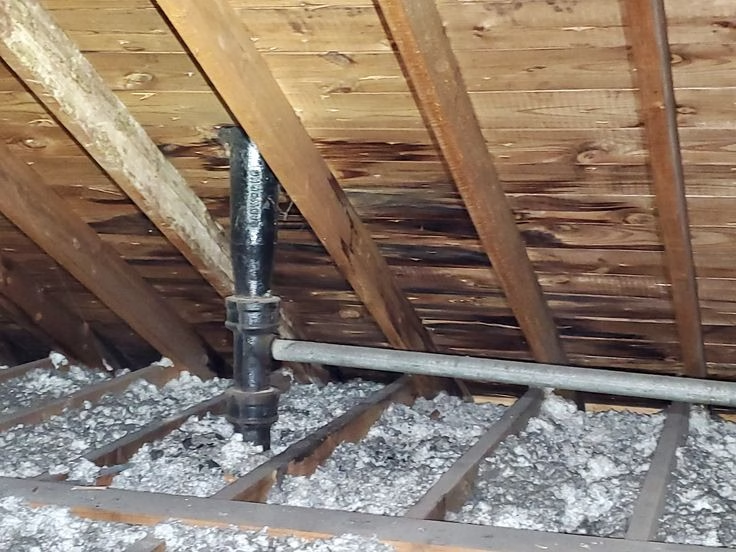
- Dark Stains or Rings: These are often “shadow leaks.” Even if the wood feels dry today, a dark ring indicates that water has been there before.
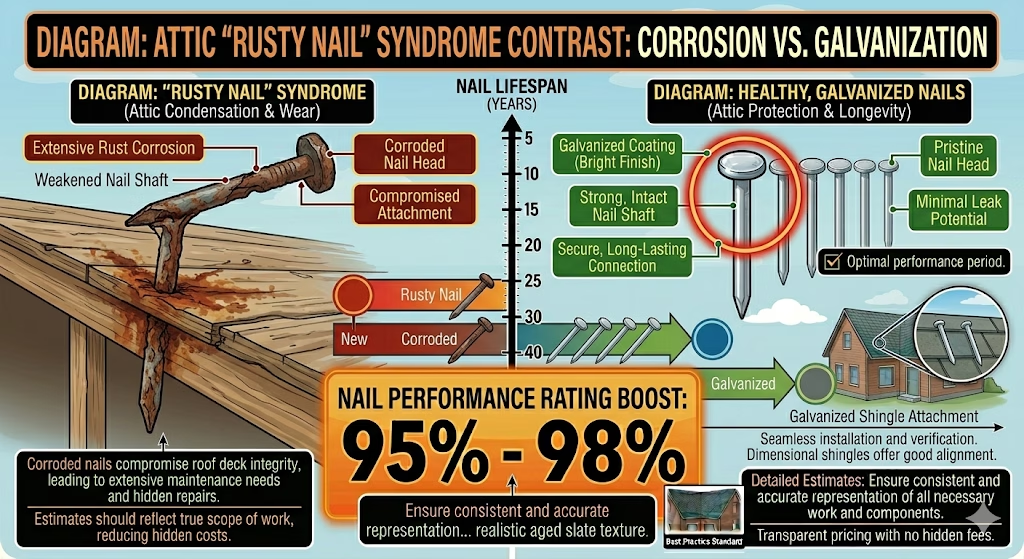
- Rusted Nails: If the tips of the nails poking through the wood are orange or rusted, you have high humidity levels that are “cooking” your roof from the inside.
- The Chimney Connection: Look closely at where the chimney meets the wood. This is the most common failure point for shingle and metal roofing alike.
Step 3: The “Scent and Air” Check (5 Minutes)
Your nose is one of your best diagnostic tools. A healthy attic should smell like dry wood or insulation.
- The Musty Smell: If it smells like a damp basement, you likely have trapped moisture or a hidden mold colony.
- The Temperature Test: On a hot Virginia day, your attic will be warm, but it shouldn’t feel like a sauna. If the air feels “heavy” and stagnant, your intake vents are likely clogged with debris or insulation.
Information Gain Tip: Check your “Soffit Vents” (the vents under your roof’s overhang). Homeowners often accidentally push insulation over these vents, “suffocating” the roof and causing shingles to curl prematurely.
When the Audit Reveals Trouble
If your 15-minute audit turned up damp insulation, rusted nails, or dark wood stains, don’t panic—but don’t wait. In the Central Virginia climate, a small moisture problem in the spring can turn into a full-blown mold infestation by the humid summer.
Why Professional Eyes Matter
While an attic audit is a great first step, some issues—like “bruised” hail damage or failed flashing seals—require a professional touch. At Four Seasons Roofing, our comprehensive gutter and roof services include a deep-dive look at your home’s entire “envelope” to ensure water stays out and air keeps moving.
Did your audit turn up a red flag? Don’t guess when it comes to your home’s protection. Let our team of local experts provide a definitive answer with a professional inspection.
Contact Four Seasons Roofing for a Professional Roof Health Check
Why Schedule a Call?
Popular Insights
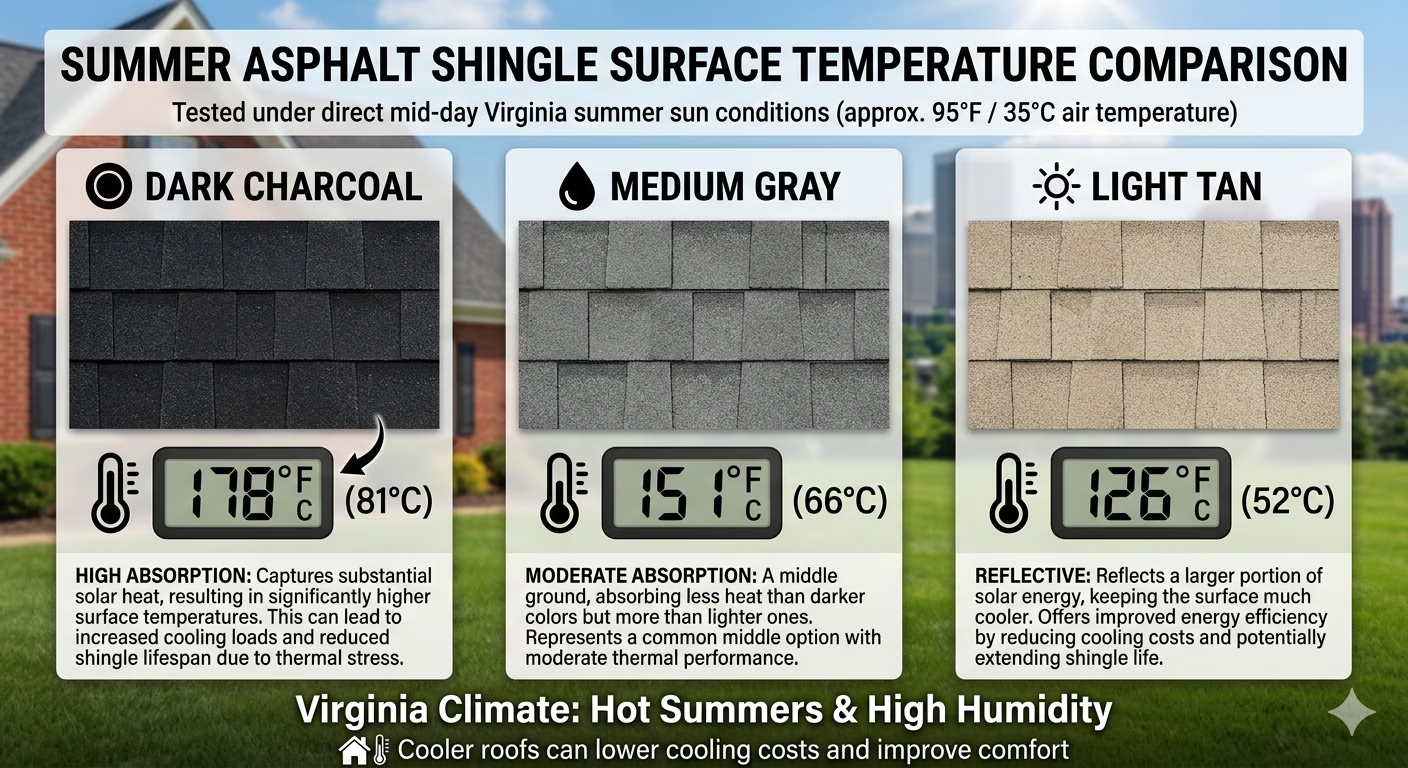
Can a New Roof Lower Your Virginia Energy Bills? What to Expect by Material and Season
Oct. 21, 2026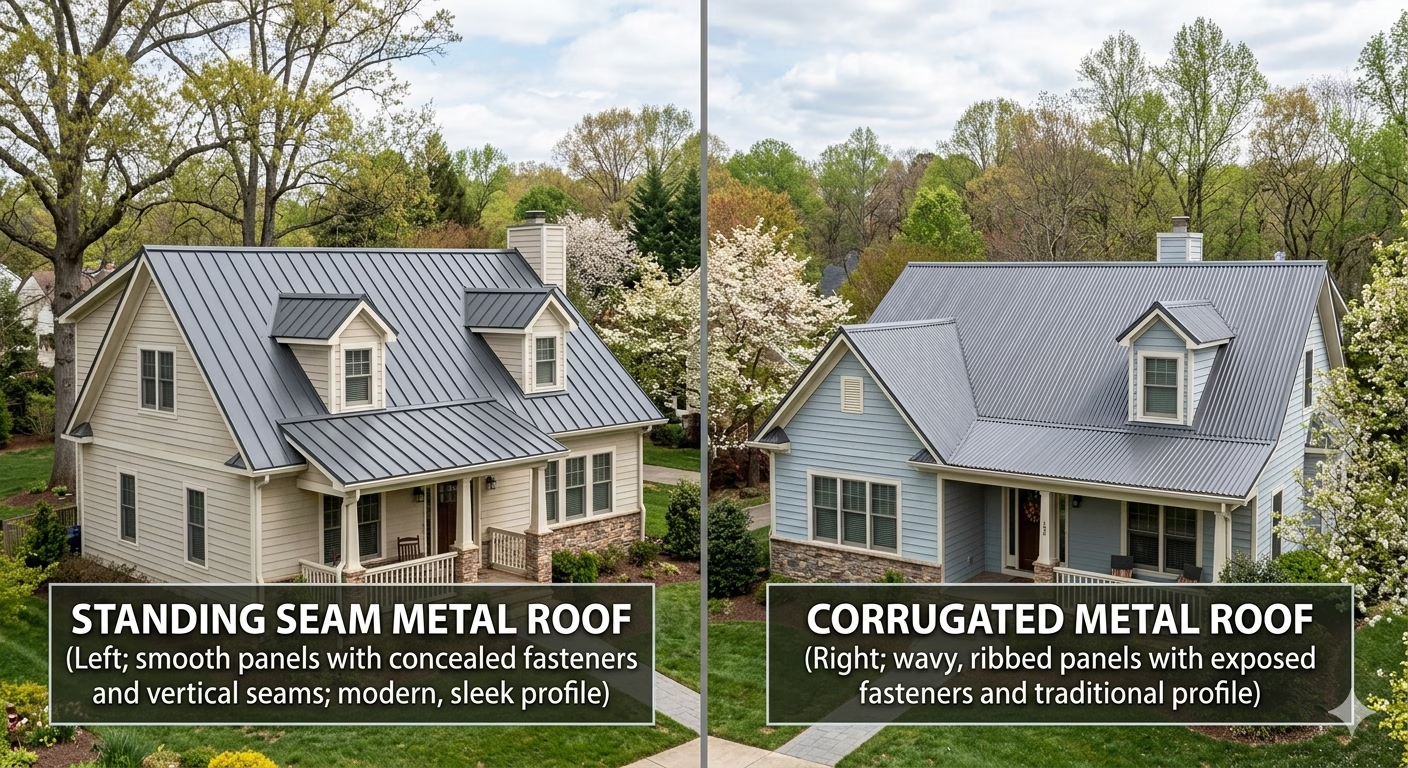
Roof Repair vs. Replacement: When to Call Four Seasons Roofing
Oct. 09, 2026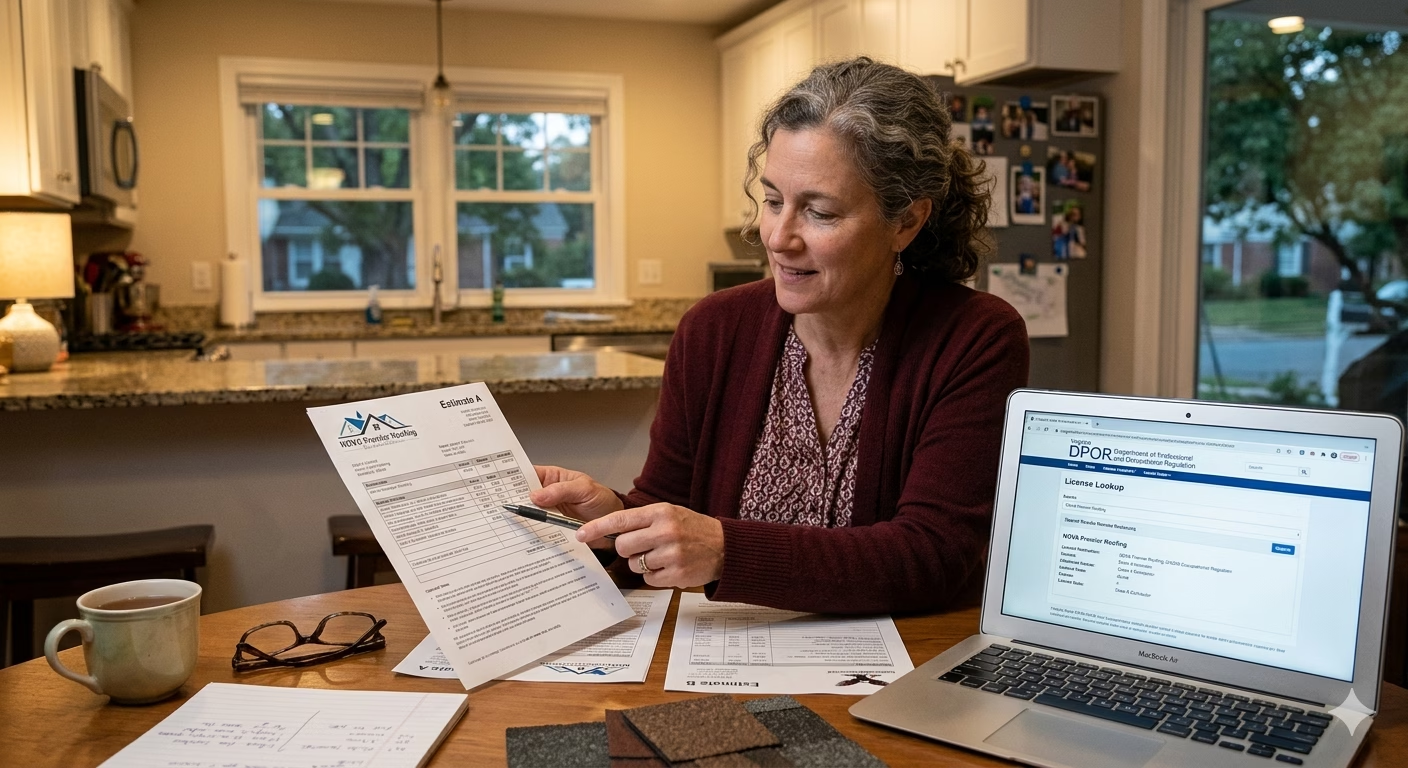
How to Choose a Roofing Contractor in Virginia: 6 Questions That Separate Professionals from Fly-by-Nights
Oct. 02, 2026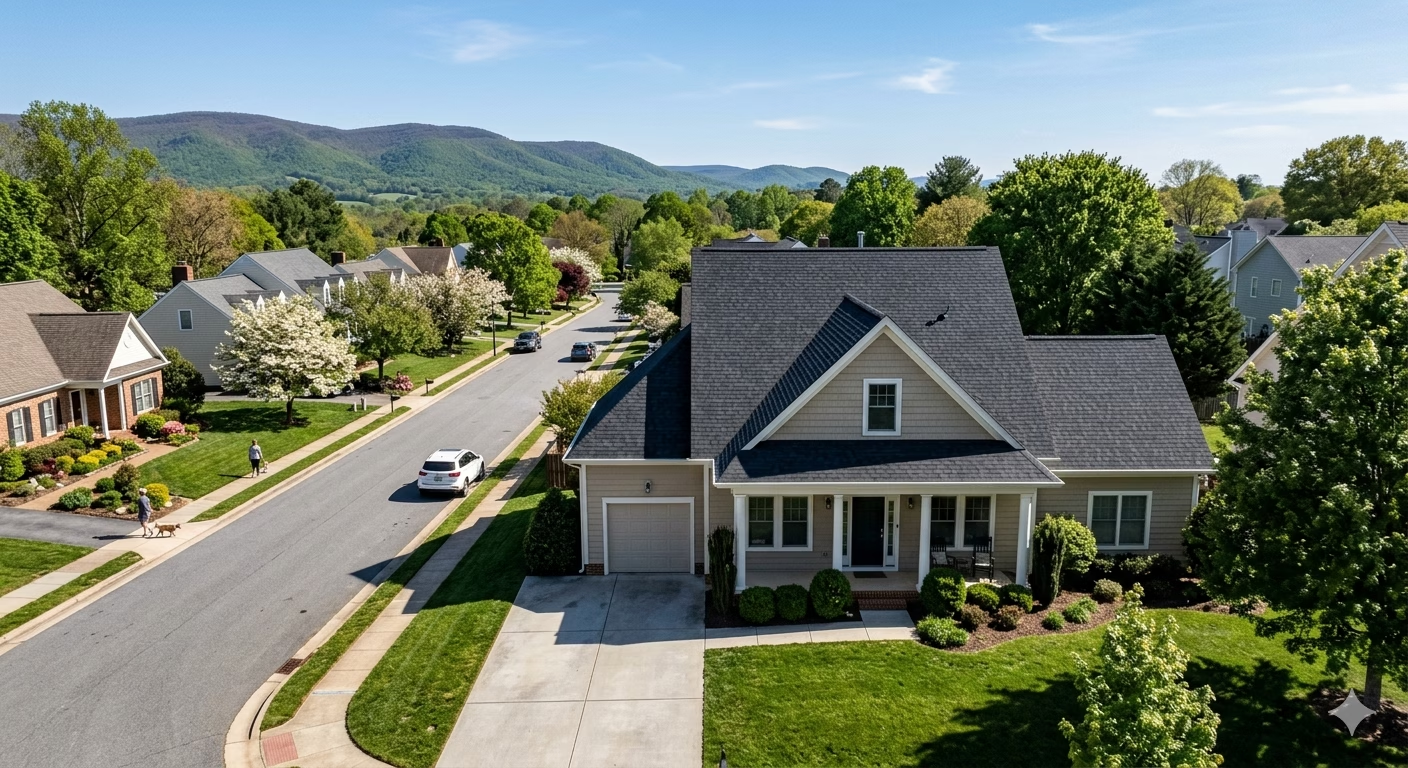
New Roof Installation in Lynchburg, VA: What Homeowners Can Expect from Estimate to Final Day
Sep. 25, 2026
Storm Damage Roofing in Central Virginia: What to Do in the First 24 Hours After Your Roof Is Hit
Sep. 23, 2026Topics
Our Services
- Gutter Services
- Storm Damage Roofing
- Commercial Roofing Service
- BRAVA Cedar Shake Roofing Tile
- Insurance Claim Assistance
- Residential Roofing Services
- Roof Inspection Services
- Roof Repair Service
- Roof Replacement Service
- Shingle Roofing Service
- Metal Roofing Service
- Emergency Roof Repair Services
- BRAVA Spanish Tile
- BRAVA Slate Tile