Contact Us Today
Uncategorized
Solar-Ready Roof Prep: What Central Virginia Homeowners Need to Know
April 29, 2026
Key Takeaways
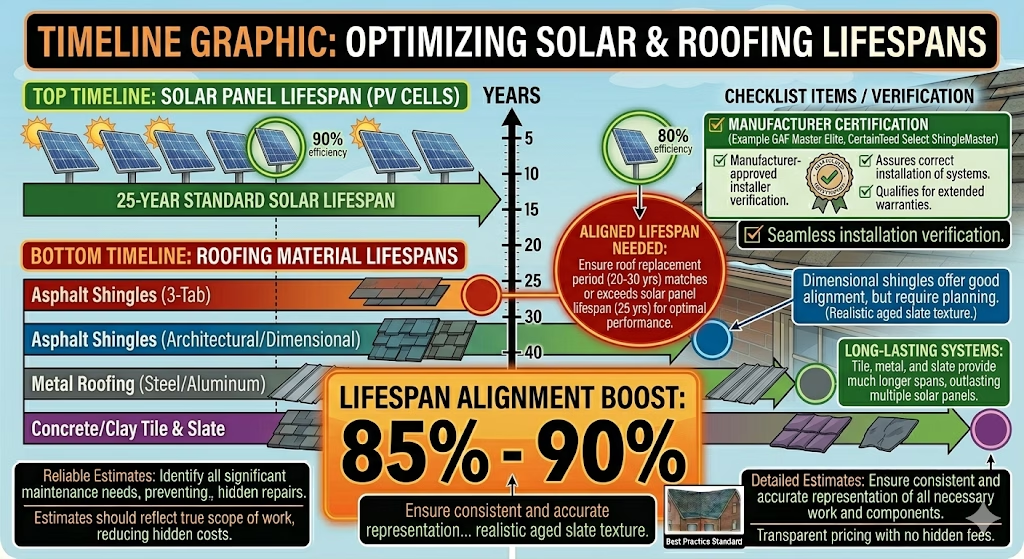
- The “Math” of Solar: A solar system lasts 25+ years; your roof should have at least 20 years of life left before installation to avoid massive removal/re-install costs.
- Material Matters: Metal roofing is the “gold standard” for solar due to its durability and easy mounting, but high-quality architectural shingles are also excellent candidates.
- The Penetration Problem: Improperly sealed mounting brackets are a leading cause of leaks. Ensure your roofing warranty remains intact.
- Local Load Factors: Central Virginia’s snow and wind loads must be factored into the structural assessment of your rafters.
The Solar Boom in Central Virginia
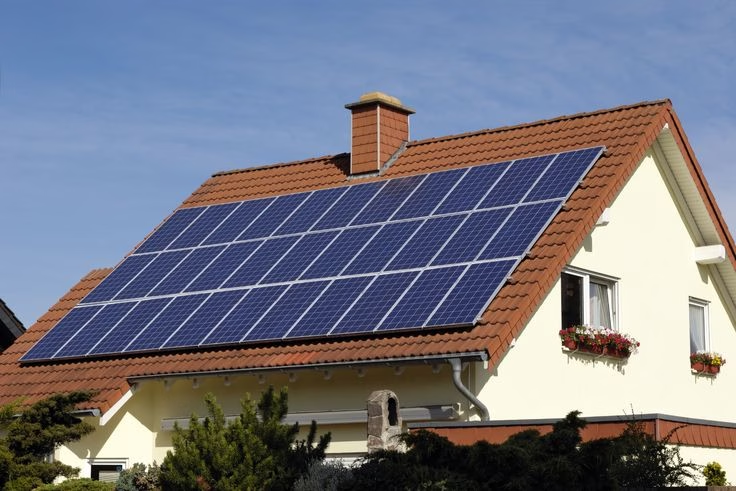
From the sunny hills of Charlottesville to the suburbs of Richmond, solar panels are becoming a common sight. While the environmental and financial benefits are clear, many homeowners overlook the most important component of the system: the roof underneath.
Installing solar panels on a roof that is already 10 or 15 years old is a recipe for a financial headache. At Four Seasons Roofing, we’ve helped many homeowners bridge the gap between green energy and structural integrity. Here is everything you need to know to ensure your roof is “solar-ready.”
1. Timing the Lifespan Sync
Most solar panels are warrantied for 25 years. If you install them on a shingle roof that only has 5 or 7 years of life remaining, you will eventually have to pay a solar company thousands of dollars to remove the panels, wait for a roof replacement, and then pay again to have them re-installed.
The Golden Rule: If your roof is more than 10 years old, have a professional roof inspection performed before signing a solar contract. Replacing the roof at the same time as the solar install often allows you to bundle the costs and ensures both systems age together.
2. Choosing the Right “Host” Material
While panels can be installed on almost any surface, some materials are naturally better “hosts” for solar technology.
- Metal Roofing: This is the ideal choice. Standing seam metal roofs allow for “non-penetrative” solar mounting. Brackets can clip directly onto the seams, meaning zero holes are drilled into your roof.
- Architectural Shingles: These provide a flat, stable surface for mounting. If you choose shingles, ensure they are high-quality, heavy-duty options that won’t become brittle under the heat trapped beneath the panels.
3. Structural Integrity and “Dead Load”
Solar arrays aren’t just bulky; they are heavy. A standard residential system can add significant weight (known as “dead load”) to your home’s structure.
In Central Virginia, our roofs must already be able to handle seasonal snow loads and high winds. Before installation, it is vital to verify that your rafters aren’t sagging or compromised by previous water damage. If your roof has suffered from past leaks or storm damage, these issues must be addressed before the extra weight of solar is added.
4. The Critical Role of Flashing and Sealing
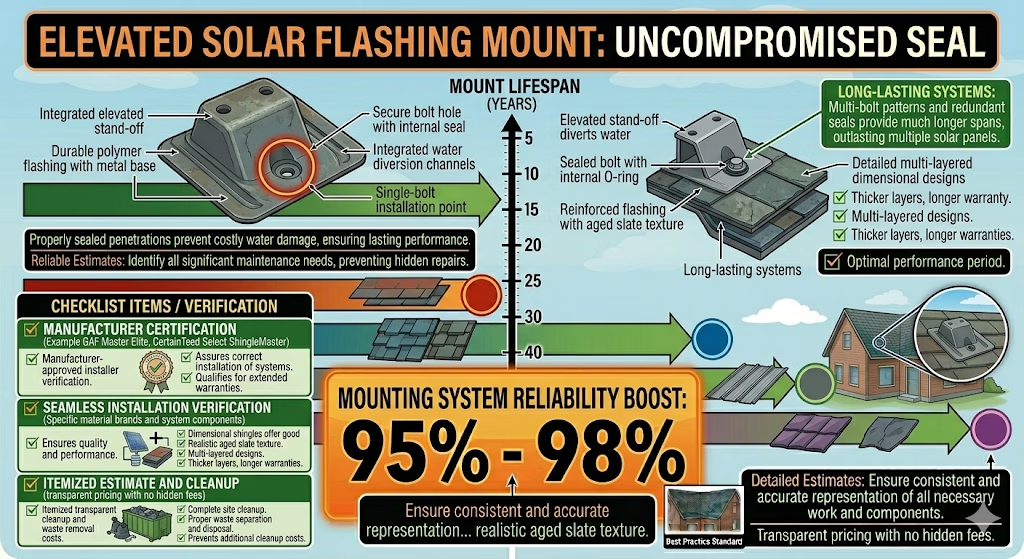
Solar racks are typically bolted into your rafters. Every bolt is a potential entry point for water.
Information Gain Tip: In the humid, rain-heavy climate of Central VA, “standard” caulking isn’t enough. Look for solar installers who use elevated flashing mounts. These specialized components divert water around the penetration point rather than relying on a bead of sealant that can crack in the summer heat.
5. Don’t Forget the Gutters
Solar panels change the way water flows off your roof. Because they are smooth, rainwater can “overshoot” your roof’s edge during a heavy Virginia downpour, moving much faster than it would over shingles.
Ensure your gutter system is clear and properly pitched to handle this increased velocity. Without a high-functioning drainage system, that solar-powered home could end up with foundation issues from water pooling at the base of the house.
Protecting Your Investment for 25 Years
Solar is a fantastic way to lower your carbon footprint and energy bills, but it’s only as good as the foundation it sits on. By coordinating your roofing and solar projects, you protect your home’s value and avoid the “double-labor” costs of a mid-cycle roof failure.
Are you planning a solar upgrade? Let the experts at Four Seasons Roofing give you an honest assessment of your roof’s health before the panels go up. We combine local expertise with a commitment to quality that ensures your home is ready for the future.
Contact Us for a Free Solar-Ready Roof Assessment
Why Schedule a Call?
Popular Insights
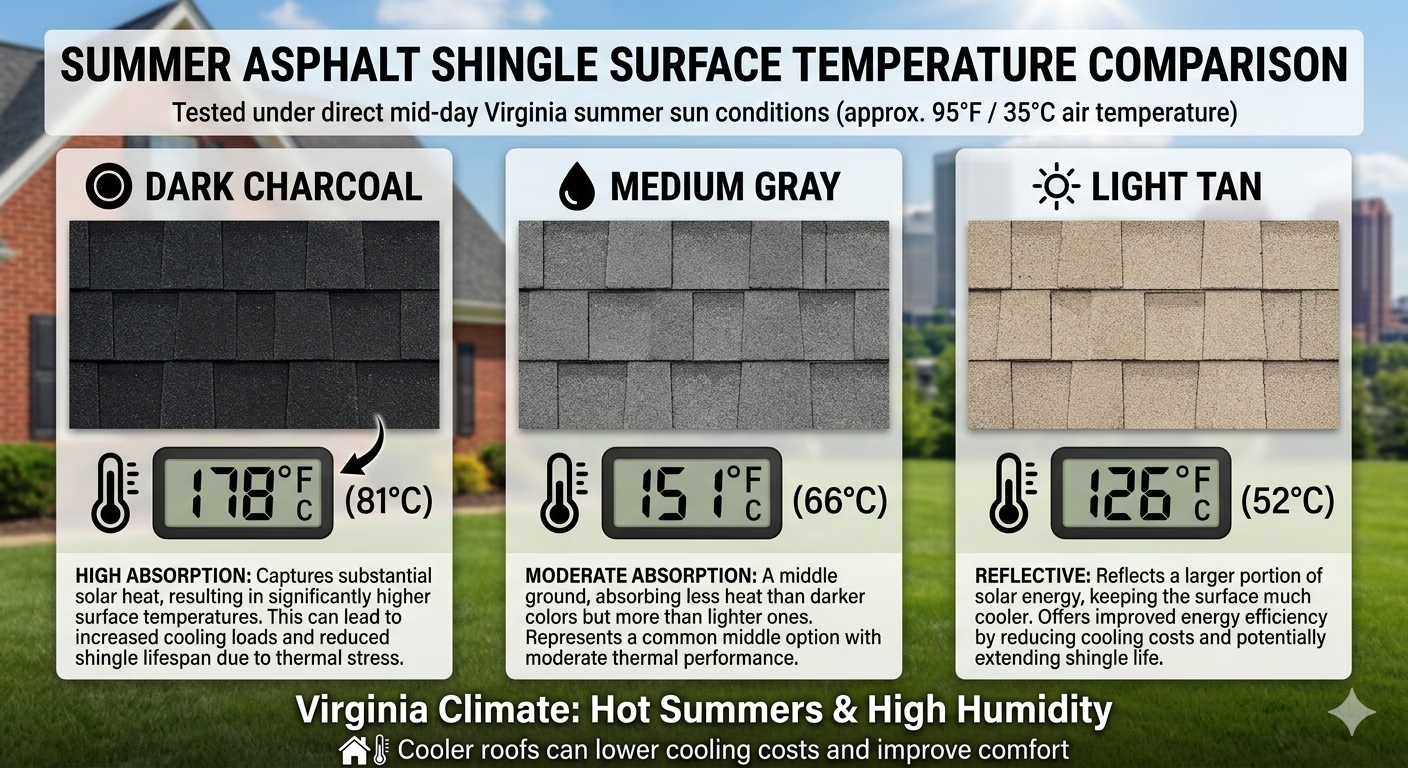
Can a New Roof Lower Your Virginia Energy Bills? What to Expect by Material and Season
Oct. 21, 2026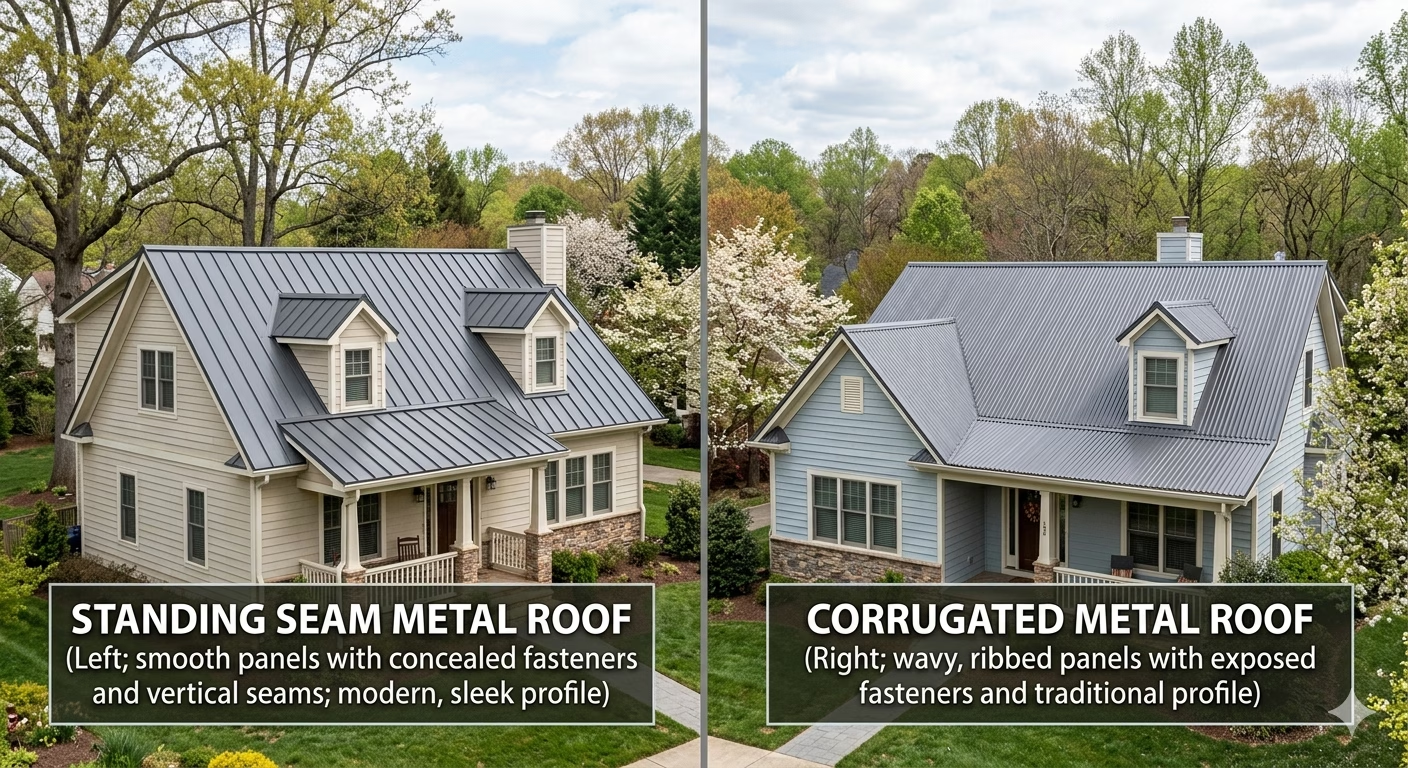
Roof Repair or Replacement: Preparing for Solar Panels in Central VA
Oct. 09, 2026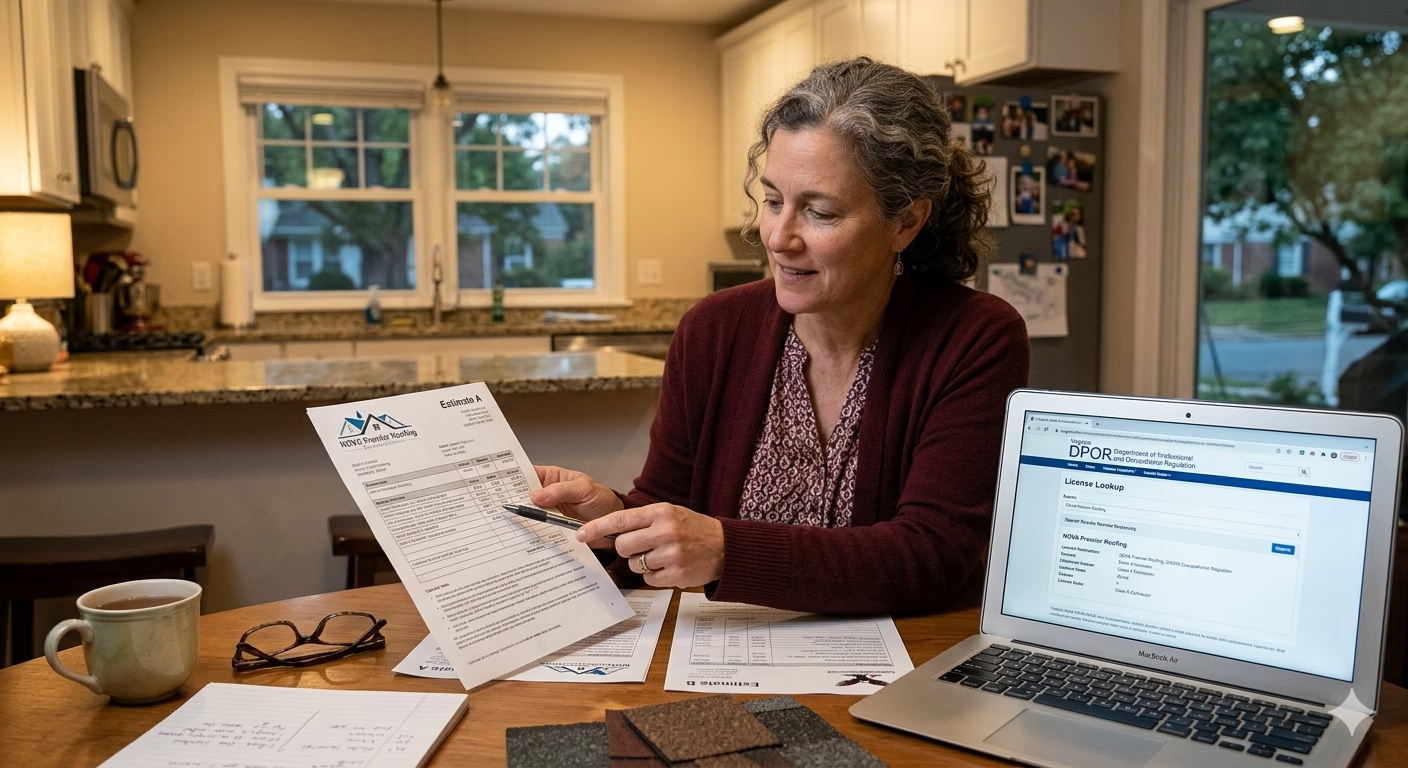
How to Choose a Roofing Contractor in Virginia: 6 Questions That Separate Professionals from Fly-by-Nights
Oct. 02, 2026
New Roof Installation in Lynchburg, VA: What Homeowners Can Expect from Estimate to Final Day
Sep. 25, 2026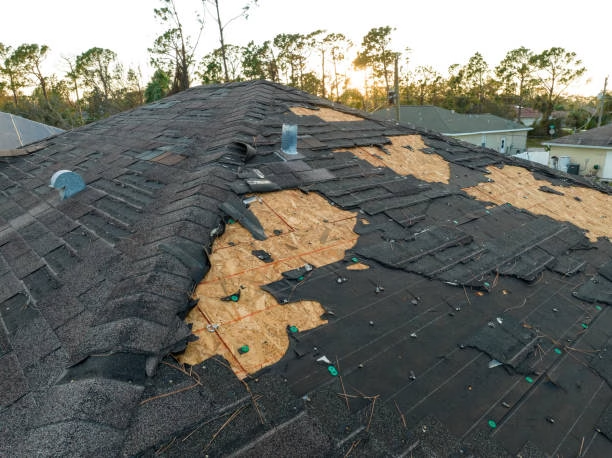
Storm Damage Roofing in Central Virginia: What to Do in the First 24 Hours After Your Roof Is Hit
Sep. 23, 2026Topics
Our Services
- Gutter Services
- Storm Damage Roofing
- Commercial Roofing Service
- BRAVA Cedar Shake Roofing Tile
- Insurance Claim Assistance
- Residential Roofing Services
- Roof Inspection Services
- Roof Repair Service
- Roof Replacement Service
- Shingle Roofing Service
- Metal Roofing Service
- Emergency Roof Repair Services
- BRAVA Spanish Tile
- BRAVA Slate Tile