
Contact Us Today
Uncategorized
Historic Home Roofing: Restoring Charm and Integrity in Central VA
April 8, 2026
Key Takeaways
- Preserving Character: Learn how to maintain the architectural “DNA” of your home while upgrading its defenses.
- Material Matters: Discover modern alternatives to slate and cedar that satisfy local historical boards and building codes.
- The Hidden Threat: Why historic timber frames require specialized ventilation strategies to prevent moisture rot.
- Local Expertise: Understanding the specific permitting and preservation requirements for Central Virginia’s historic districts.
The Stewardship of a Historic Central Virginia Roof
Owning a historic home in Central Virginia—from the Victorian beauties in Richmond to the Colonial estates near Charlottesville—is a matter of stewardship. The roof is perhaps the most critical element of that stewardship; it is the primary shield protecting original plasterwork, hand-hewn beams, and priceless memories.
At Four Seasons Roofing, we understand that “restoration” doesn’t mean simply slapping on new shingles. It’s about honoring the past with the technology of the future.
1. Respecting the Architectural “DNA”
Every historic era has a specific roofing language. A craftsman bungalow demands a certain texture, while a Federal-style home requires clean, sharp lines.
The challenge for Virginia homeowners is finding materials that look “period-correct” but offer the fire resistance and wind ratings of the 2020s.
- Synthetic Slate: Offers the heavy, chiseled look of real slate without the extreme weight that can stress older rafters.
- Architectural Shingles: Modern roof replacement options now include high-definition textures that mimic hand-split wood shakes or historic clay tiles.
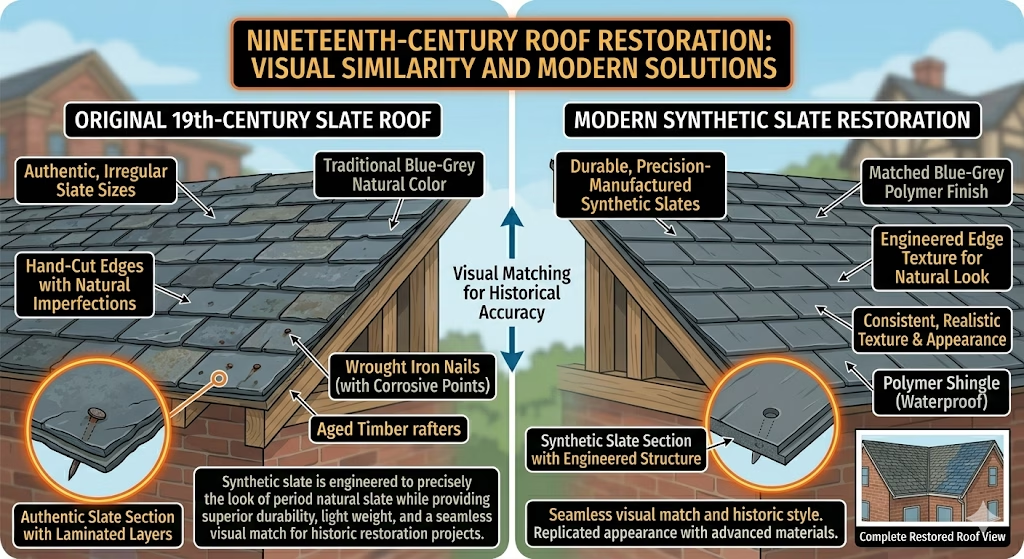
2. Navigating Local Historic District Requirements
Central Virginia is home to some of the strictest preservation boards in the country. Whether you are in a designated historic district or your home is on the National Register, you cannot simply choose any color or material.
We work closely with homeowners to ensure that any roof repair or replacement aligns with local guidelines. This often involves:
- Choosing historically accurate color palettes (e.g., charcoal greys, weathered wood, or classic forest greens).
- Ensuring metal flashing is installed using traditional methods rather than modern “quick-fix” adhesives.
3. Solving the “Ancient Attic” Ventilation Puzzle
One of the biggest mistakes in historic restoration is applying modern roofing logic to an old structure without considering airflow.
Older homes were often designed to “breathe” through gaps that modern insulation might close up. If you seal a historic roof too tightly, you trap moisture against 100-year-old wood, leading to rapid decay.
Information Gain Tip: We utilize “smart ventilation” systems—discrete ridge vents and specialized soffit intakes—that provide the necessary CFM (Cubic Feet per Minute) of airflow without ruining the clean, historic roofline of your home.
4. Protecting the Foundation: Historic Gutter Systems
In a historic home, water is the enemy. Original foundations—often made of brick or fieldstone—are particularly susceptible to erosion if water isn’t managed correctly.
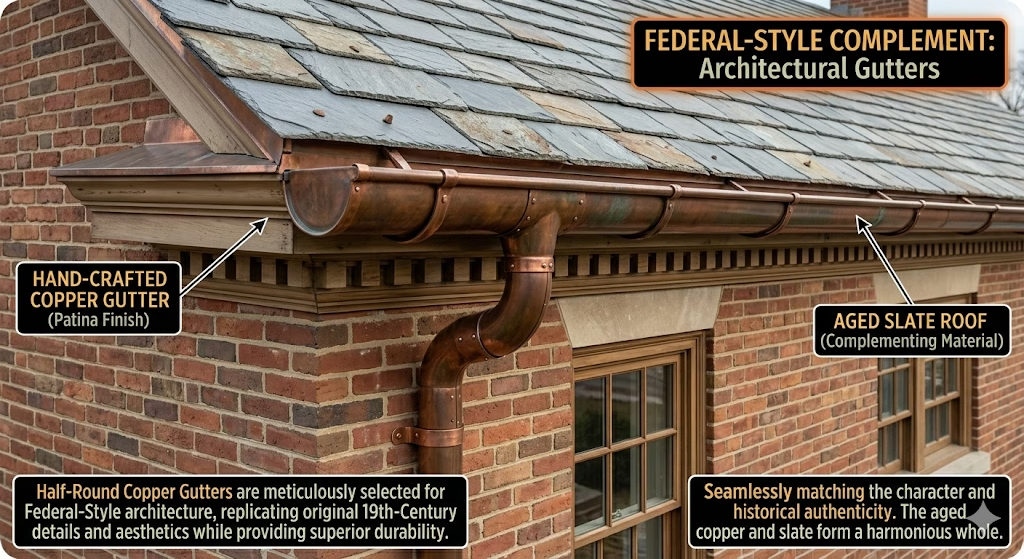
Standard “big-box” gutters often look out of place on a historic facade. We offer specialized gutter services that include:
- Half-Round Gutters: The gold standard for historic aesthetics.
- Hidden Hangers: Ensuring the drainage system doesn’t distract from the ornate crown molding or gingerbread trim common in Virginia’s older neighborhoods.
5. Structural Integrity: Can Your Rafters Handle It?
Before any work begins, it is vital to assess the “bones” of the house. Historic roofs often have irregular rafter spacing.
At Four Seasons Roofing, our diagnostic process involves checking for:
- Sagging Ridge Lines: Often a sign that previous owners added too many layers of shingles.
- Nail Pull-Through: Older “1-by” board decking can sometimes become “Swiss cheese” over decades of re-roofing, requiring a fresh layer of plywood to ensure a manufacturer-warrantied seal.
Choosing a Partner for Your Legacy
Restoring a historic roof is an investment in Virginia’s history. You need a team that respects the craftsmanship of the original builders while utilizing the best materials the 21st century has to offer.
Is your historic home ready for its next century? Don’t trust your heritage to a “storm chaser.” Choose a local team that knows Central Virginia’s architecture inside and out.
Schedule Your Historic Roof Consultation with Four Seasons Roofing
Why Schedule a Call?
Popular Insights
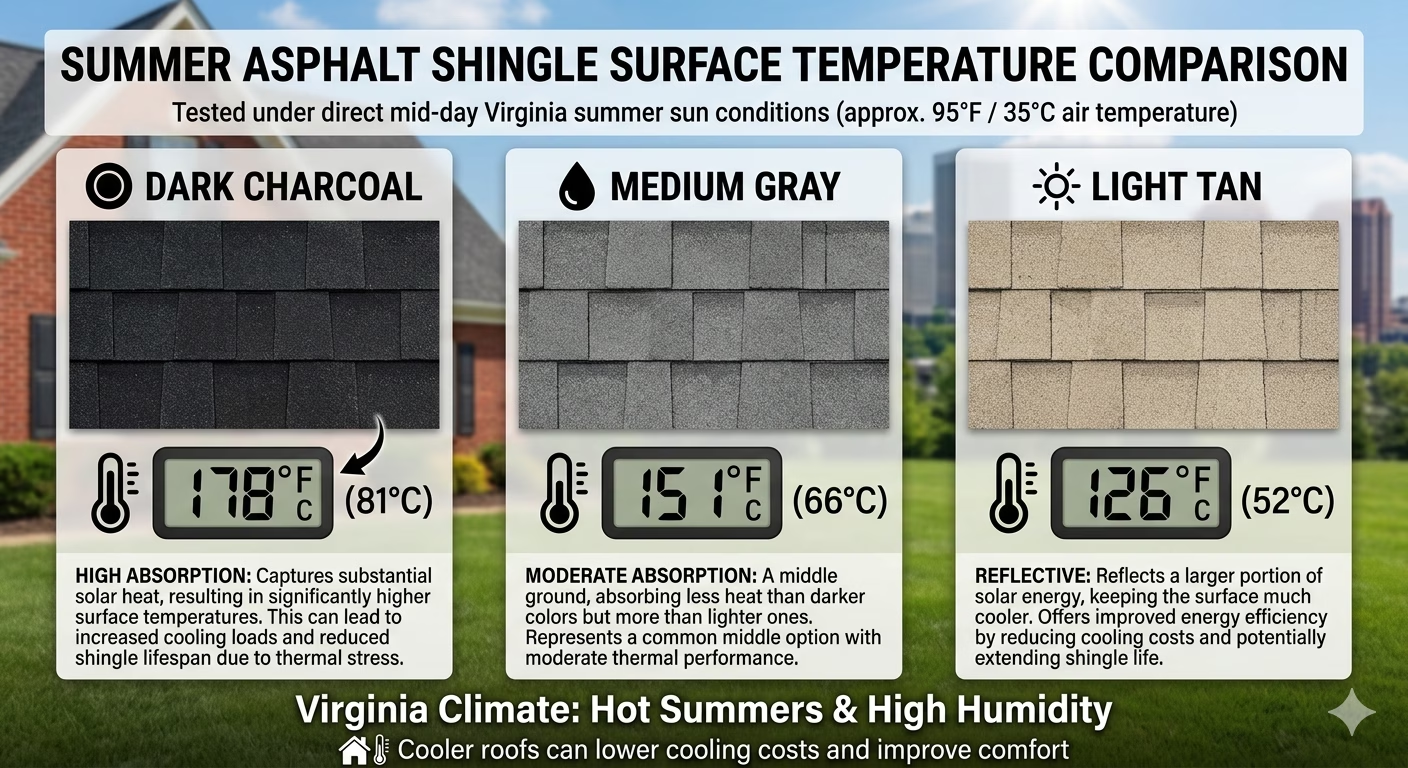
Can a New Roof Lower Your Virginia Energy Bills? What to Expect by Material and Season
Oct. 21, 2026
Quality Craftsmanship: Why It Matters for Historic Roofing
Oct. 09, 2026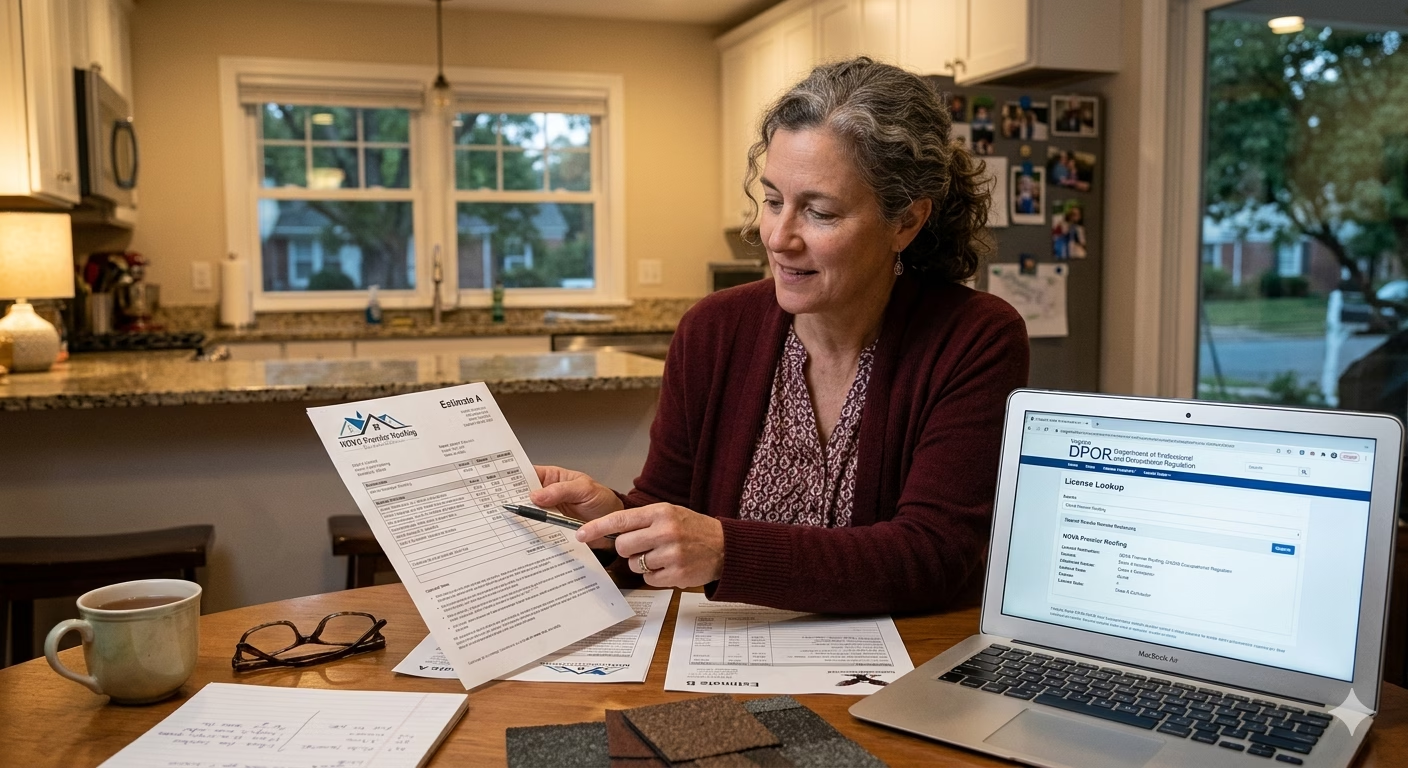
How to Choose a Roofing Contractor in Virginia: 6 Questions That Separate Professionals from Fly-by-Nights
Oct. 02, 2026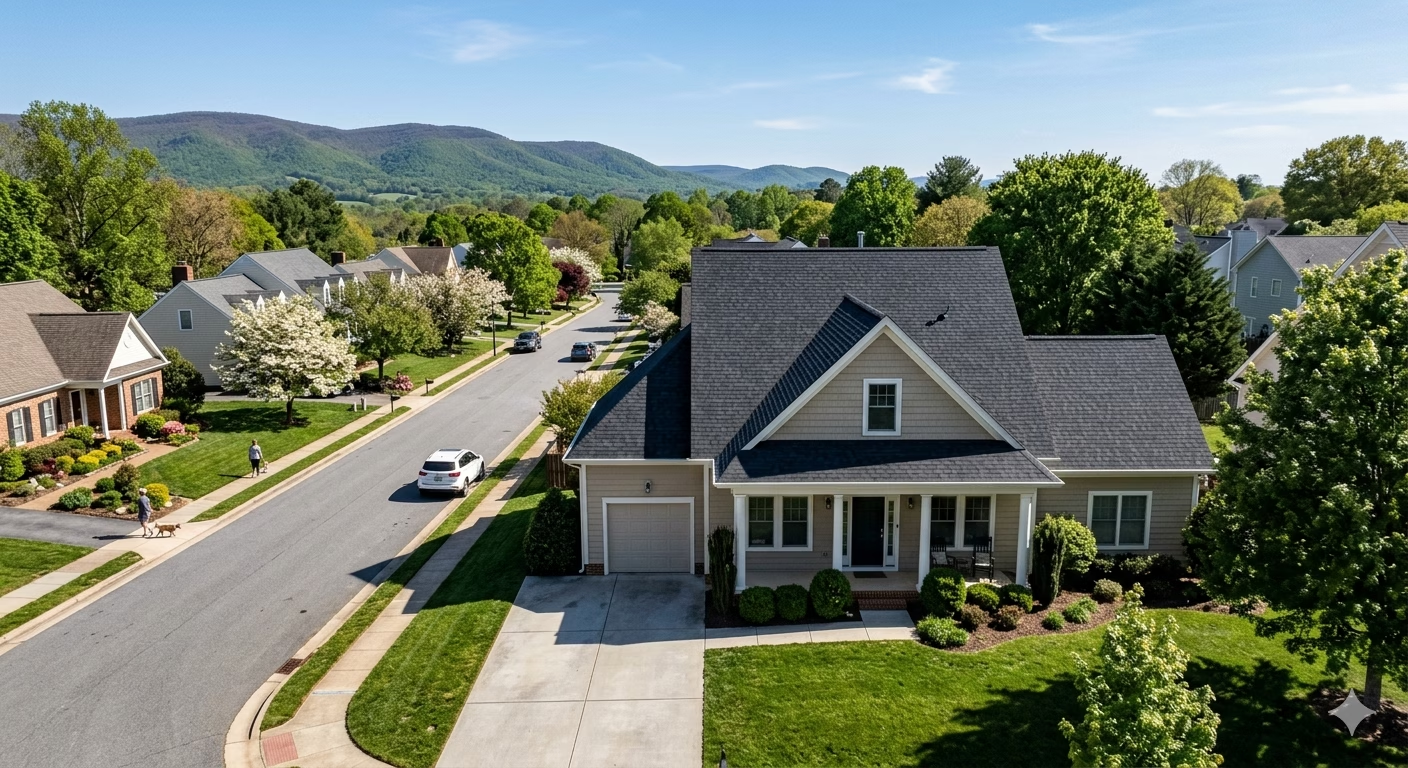
New Roof Installation in Lynchburg, VA: What Homeowners Can Expect from Estimate to Final Day
Sep. 25, 2026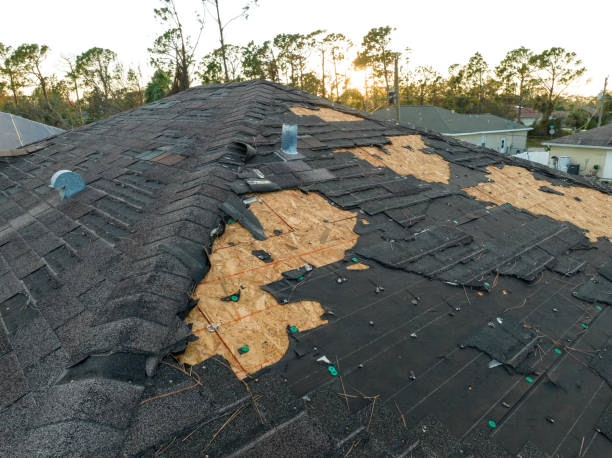
Storm Damage Roofing in Central Virginia: What to Do in the First 24 Hours After Your Roof Is Hit
Sep. 23, 2026Topics
Our Services
- Gutter Services
- Storm Damage Roofing
- Commercial Roofing Service
- BRAVA Cedar Shake Roofing Tile
- Insurance Claim Assistance
- Residential Roofing Services
- Roof Inspection Services
- Roof Repair Service
- Roof Replacement Service
- Shingle Roofing Service
- Metal Roofing Service
- Emergency Roof Repair Services
- BRAVA Spanish Tile
- BRAVA Slate Tile