Contact Us Today
posts
How to Know When Your Roof Needs Replacing: 7 Critical Warning Signs
January 2, 2026
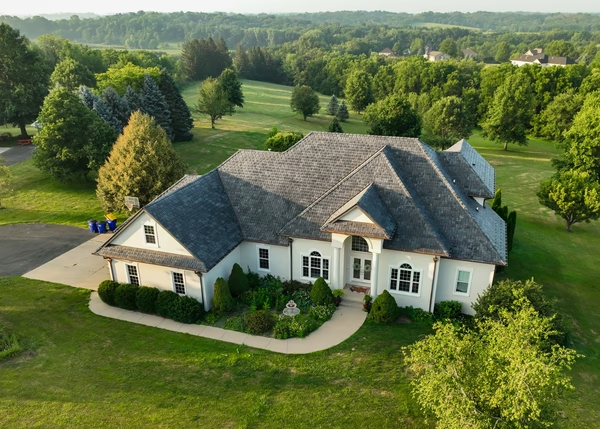
Your roof is your home’s first line of defense against the elements. But unlike a squeaky door hinge or a flickering lightbulb, roof problems are often “out of sight, out of mind”, until they become expensive disasters.
Most homeowners struggle with the big question: Does my roof just need a minor repair, or is it time for a full replacement?
Ignoring the warning signs can lead to severe interior water damage, mold growth, and structural issues. The key is catching the problems early. Below are seven clear indicators that your roof may be nearing the end of its lifespan.
1. Your Roof Has Reached Its “Expiration Date”
Age is the most common factor in replacing a roof. Even the best-installed roofs have a shelf life. If you know when your roof was installed, you have a good baseline for deciding its future.
- Typical Asphalt Shingle Roofs: Usually last between 20 and 25 years.
- Metal Roofs: Can last 40–70 years depending on the material quality.
If your shingle roof is celebrating its 20th birthday and is showing other signs on this list, it is almost certainly time to start planning for a replacement rather than applying temporary patches.
2. Curling, Buckling, or Cracked Shingles
When you look up at your roof slopes, do the shingles lie flat, or do they look textured and uneven?
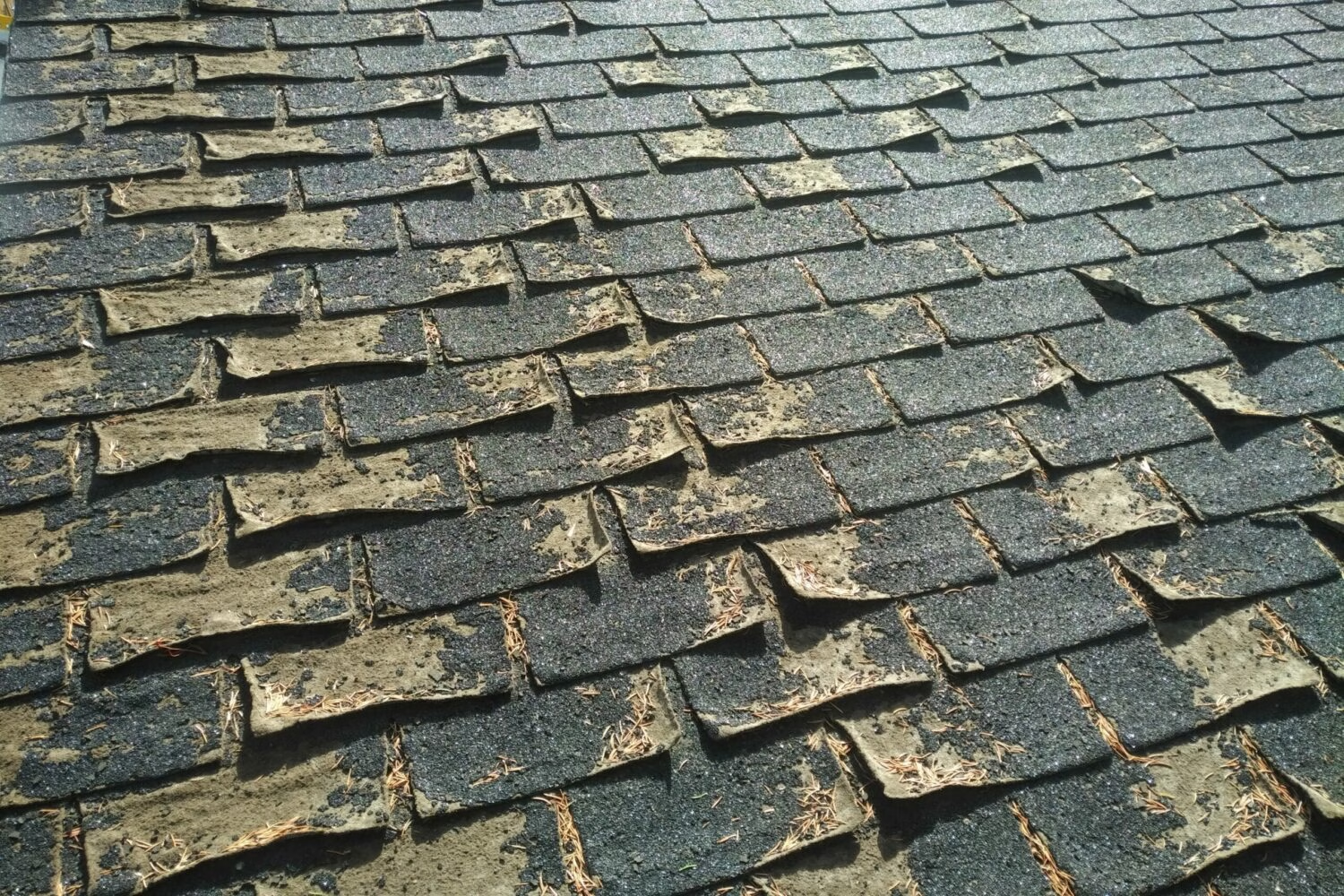
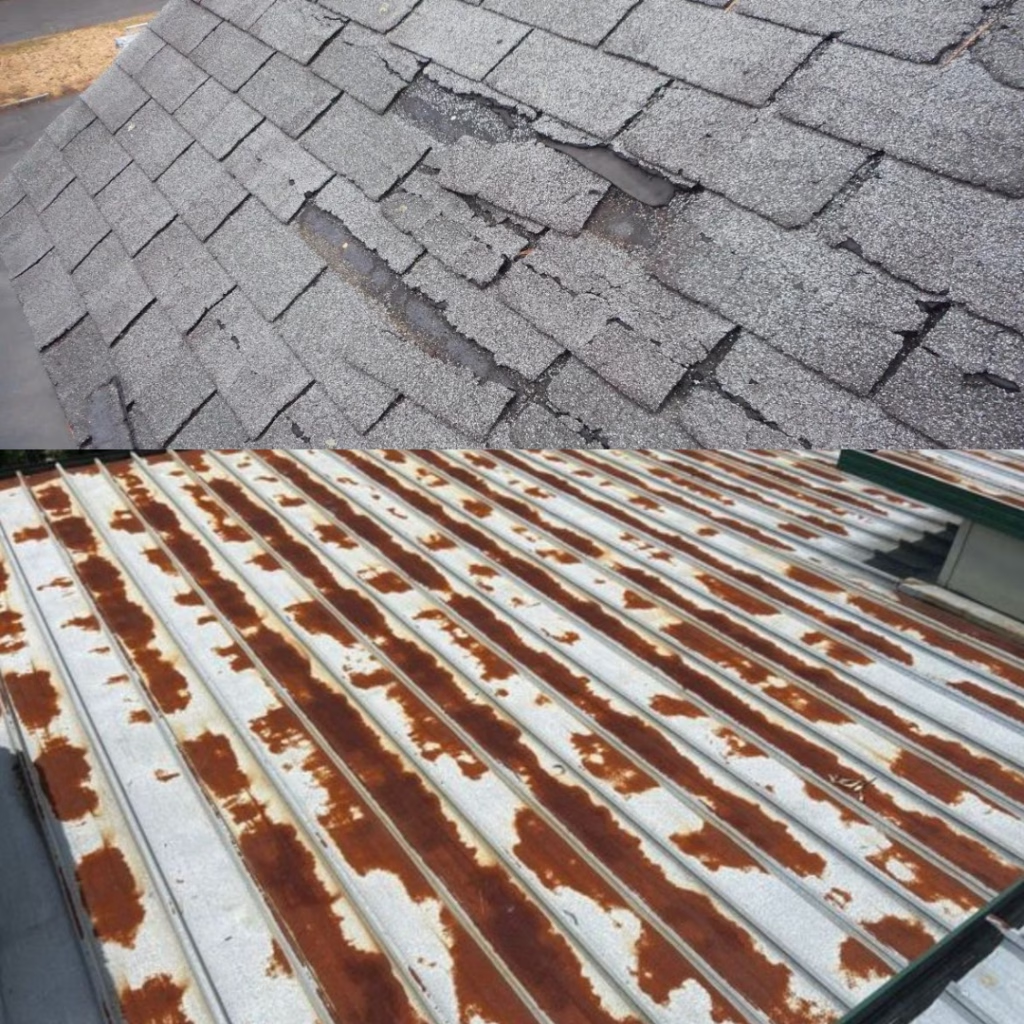
Shingles that are curling at the edges (cupping) or buckling in the middle are signs of advanced weathering. This means the material has dried out and can no longer effectively shed water. Once shingles start cracking, they become brittle and are easily blown off during high winds, leaving the underlayment exposed.
3. Granules in the Gutters
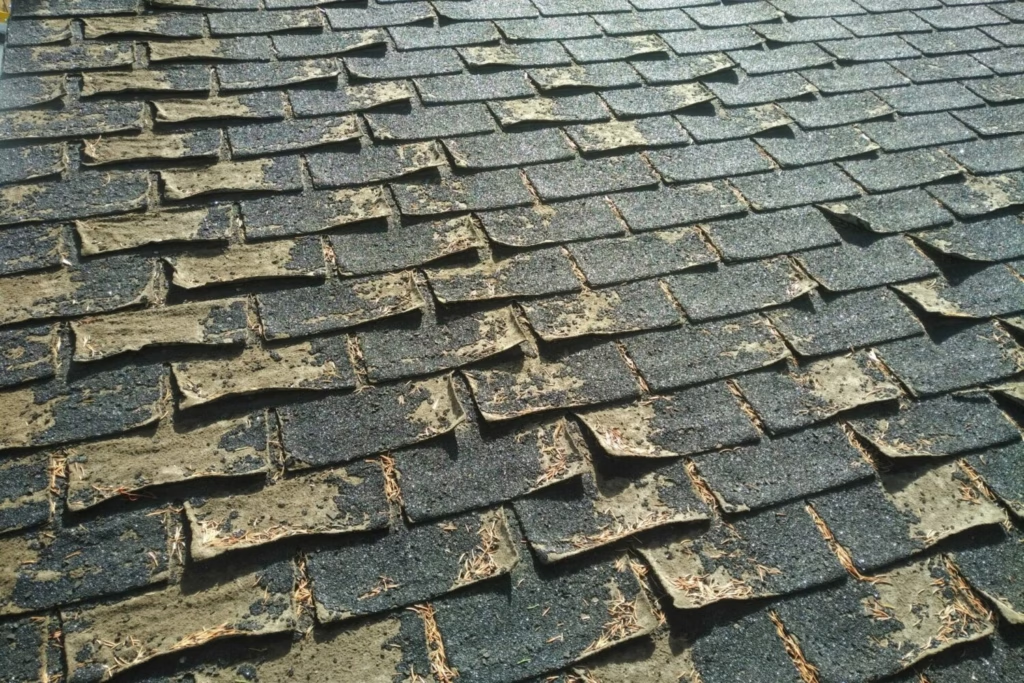
If you have an asphalt shingle roof, those tiny stone-like granules on top aren’t just for decoration; they protect the asphalt from damaging UV rays.
As a roof ages, it loses these granules. After a heavy rain, check your gutters and downspouts. If you see a significant accumulation of black granules, your shingles are “balding.” A roof without granules will deteriorate very quickly in the sun.
4. Sunlight or Moisture in the Attic
Sometimes the best way to check your roof is from inside your house. Pick a sunny day, go up into your attic, and turn off the lights. Do you see pinpricks of daylight coming through the roof boards? If light can get in, so can water.
While you are up there, look for dark streaks or stains on the underside of the roof decking, which indicate active leaks.
5. Sagging Roof Decking
This is an emergency sign. A roof line should be straight and strong. If you notice a saddle-back or sagging area on your roof, it indicates structural issues beneath the shingles. This could be caused by long-term water damage rotting the decking boards, or excessive weight loads (like heavy snow) that the roof could no longer support.
If your roof is sagging, contact a professional immediately.
6. Material-Specific Warning Signs
Not all roofs wear down in the same way. Depending on what is currently protecting your home, you need to look for different red flags.
- For Shingles: As mentioned, look for balding, cracking, and curling. These are the classic signs that an Shingle Roofing system has failed.
- For Metal Roofs: While durable, they aren’t invincible. Look for significant rust patches, corrosion near seams, or panels that have become loose due to wind. If these issues are widespread, it may be time to upgrade your Metal Roofing.
- For Premium Materials: If you have a historic or high-end home, check for cracked or missing slates in your Slate Roofing, or splits and severe rot in Cedar Shake Roofing.
- For Flat Roofs: Often found on modern homes or additions, these are prone to pooling water. If water stands for more than 48 hours after rain, or you see tears or bubbles in the membrane, your roofing needs immediate Inspection.
7. Your Neighbors Are Getting New Roofs
This sounds anecdotal, but it’s actually a strong indicator. Homes in the same neighborhood were likely built around the same time by the same builders, using the same materials. They have also experienced the exact same weather patterns for two decades.
If you see roofing crews working on three other houses on your street, there is a very good chance your roof is facing the same expiration date.
The Risk of Waiting
Trying to squeeze just “one more year” out of a failing roof is a gamble. A small leak that you can’t see today can rot out insulation, ceiling drywall, and framing lumber over the next six months. The cost of repairing severe interior water damage often far exceeds the cost of proactively replacing the roof at the right time.
Why Schedule a Call?
Popular Insights
Can a New Roof Lower Your Virginia Energy Bills? What to Expect by Material and Season
Oct. 21, 2026
Why Professional Roofing Maintenance Protects Your Home Investment
Oct. 09, 2026
How to Choose a Roofing Contractor in Virginia: 6 Questions That Separate Professionals from Fly-by-Nights
Oct. 02, 2026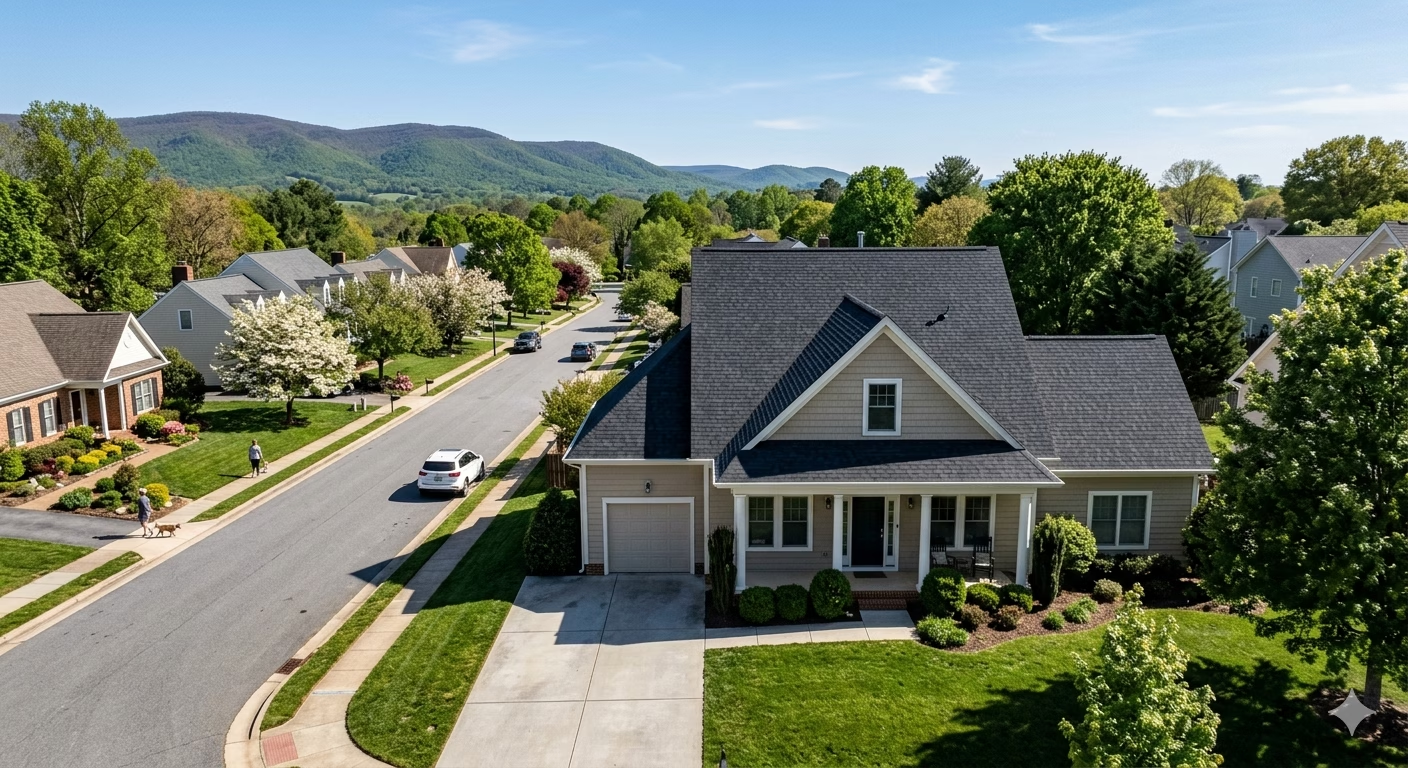
New Roof Installation in Lynchburg, VA: What Homeowners Can Expect from Estimate to Final Day
Sep. 25, 2026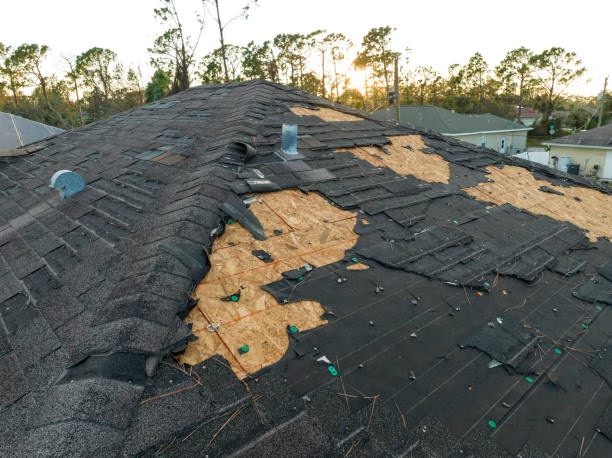
Storm Damage Roofing in Central Virginia: What to Do in the First 24 Hours After Your Roof Is Hit
Sep. 23, 2026Topics
Our Services
- Gutter Services
- Storm Damage Roofing
- Commercial Roofing Service
- BRAVA Cedar Shake Roofing Tile
- Insurance Claim Assistance
- Residential Roofing Services
- Roof Inspection Services
- Roof Repair Service
- Roof Replacement Service
- Shingle Roofing Service
- Metal Roofing Service
- Emergency Roof Repair Services
- BRAVA Spanish Tile
- BRAVA Slate Tile