
Contact Us Today
posts
How Storm Damage Impacts Your Roof: Hidden Dangers & Solutions
February 2, 2026
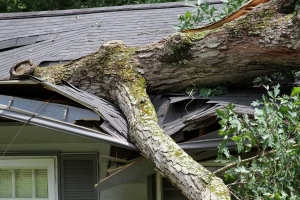
In Virginia, we are no strangers to severe weather. From high-velocity winds to heavy hailstorms, the elements can take a significant toll on your home’s exterior. Unfortunately, storm damage isn’t always as obvious as a fallen tree limb; often, the most dangerous issues are the ones you can’t see from the ground.
Understanding how different weather events affect your property is the first step in preventing long-term structural issues. Here is how storm damage impacts your roof and what you should look for.
1. Wind Damage: The “Lift” and “Peel” Effect
High winds don’t just blow things over; they create pressure differentials that can lift roofing materials right off the decking.
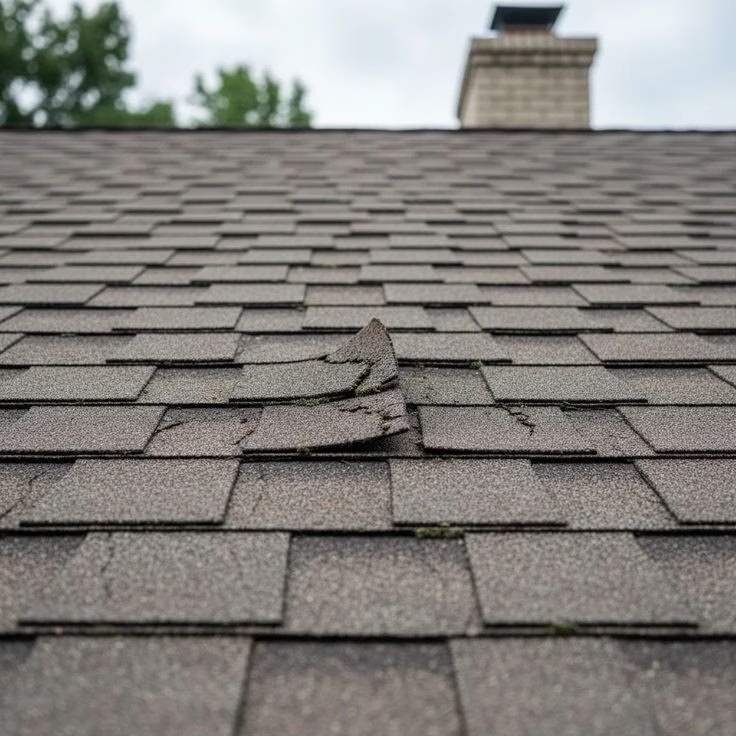
- Shingle Displacement: Wind can peel back Asphalt Shingle Roofing, breaking the sealant bond and leaving the underlayment exposed to rain.
- Debris Impact: Carried by the wind, branches and debris can puncture even the toughest surfaces.
- Edge Damage: The edges and corners of your roof are most susceptible to “uplift” during a storm.
2. Hail Damage: The Invisible Puncture
Hail is one of the most deceptive forms of storm damage. While a hailstone might not break a shingle immediately, the impact knocks off the protective granules.
- Bruising: Small indentations or “bruises” on shingles can lead to cracks over time.
- Metal Dents: While highly durable, extreme hail can leave cosmetic dents on Metal Roofing, though it rarely compromises the structural integrity.
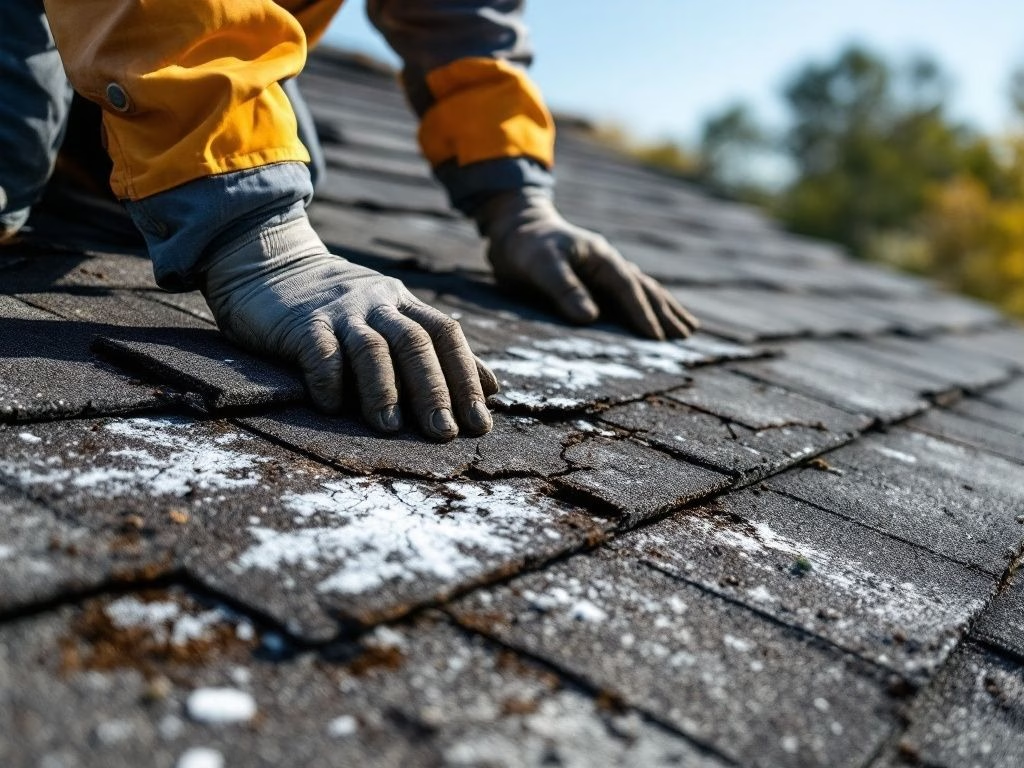
- Granule Loss: Heavy hail acts like sandpaper, stripping away the UV protection of your roof.
3. Impact on Specialty Materials
Different materials react uniquely to storm stress. It is important to have a contractor who understands the specifics of your system.
- Slate Roofing: While heavy and wind-resistant, slate can crack if hit by large hail or falling limbs.
- Cedar Shake Roofing: High winds can split aged wood shakes, and excessive moisture post-storm can accelerate rot if not properly ventilated.
4. Water Infiltration and Interior Damage
The ultimate goal of any storm is to find a way inside. Once a storm compromises your roof’s “skin,” water begins to rot the wooden decking, ruin insulation, and eventually damage your ceilings and walls.
What to Do After a Storm
- Safety First: Never climb onto a wet or damaged roof yourself.
- Visual Check: Use binoculars to check for missing shingles or dented flashing from the ground.
- Professional Assessment: Minor damage can escalate quickly. A professional inspection is the only way to ensure your home remains airtight.
Did a recent storm hit your neighborhood? Don’t wait for the leak to show up on your ceiling.
Whether you need a localized repair or a full Roof Replacement due to storm impact, Four Seasons Roofing is Virginia’s trusted partner. Contact us today!
Why Schedule a Call?
Popular Insights
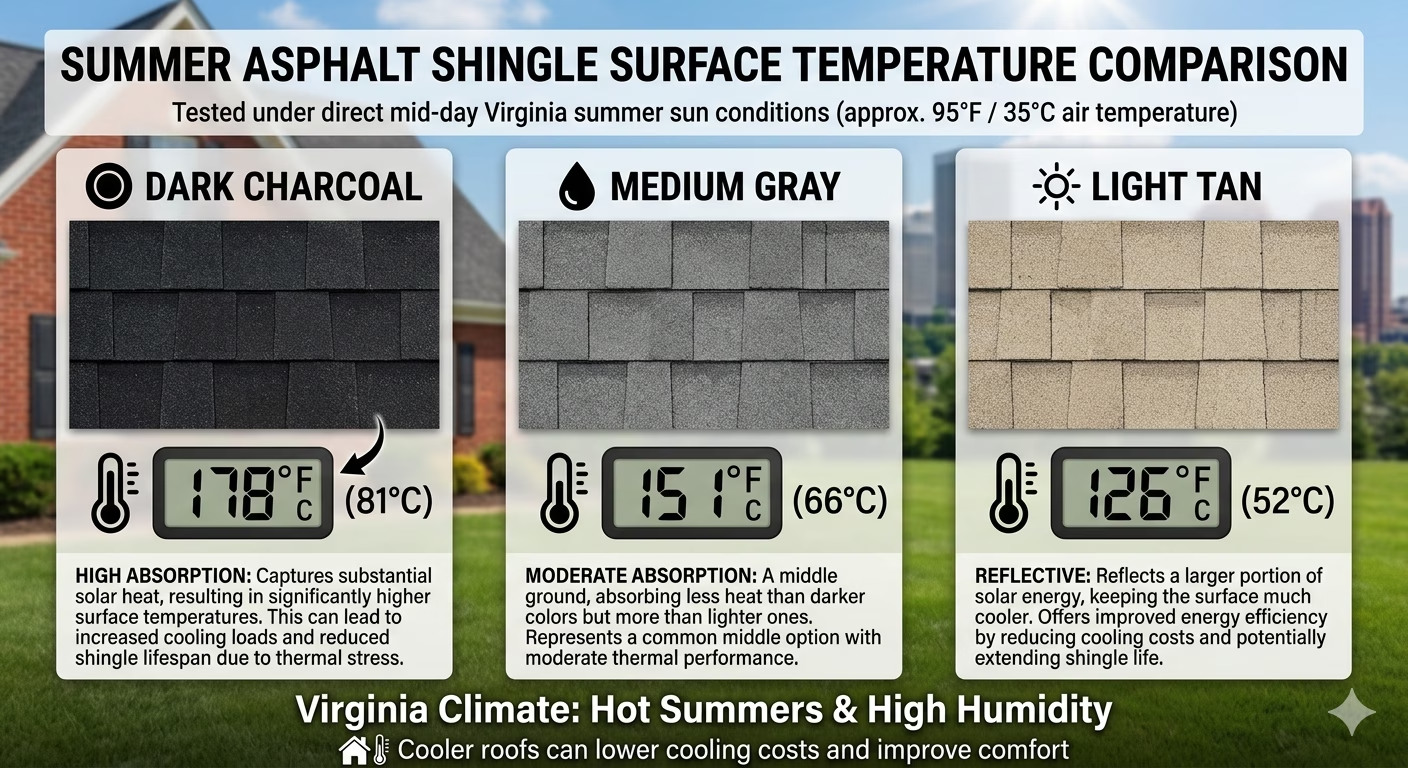
Can a New Roof Lower Your Virginia Energy Bills? What to Expect by Material and Season
Oct. 21, 2026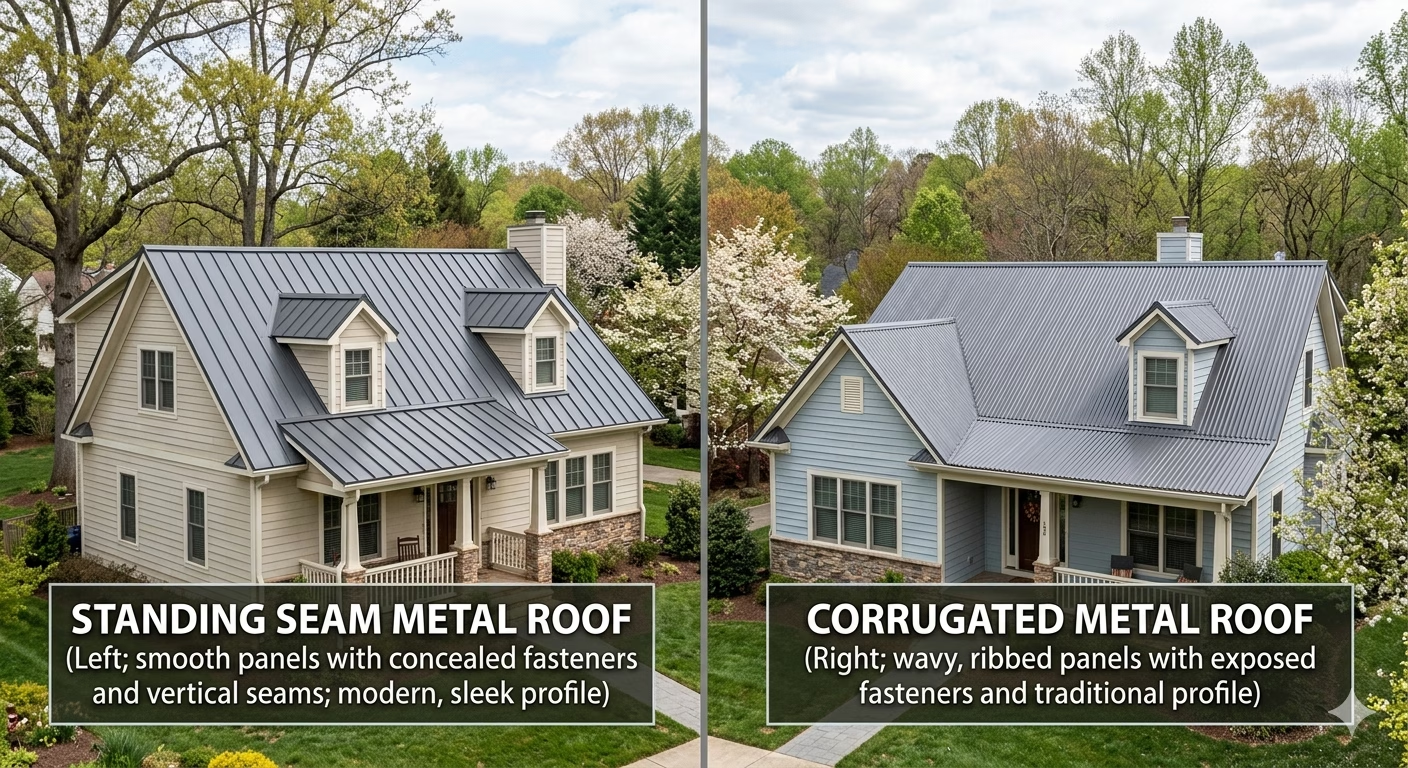
Navigating the Insurance Claims Process for Storm-Damaged Roofs
Oct. 09, 2026
How to Choose a Roofing Contractor in Virginia: 6 Questions That Separate Professionals from Fly-by-Nights
Oct. 02, 2026
New Roof Installation in Lynchburg, VA: What Homeowners Can Expect from Estimate to Final Day
Sep. 25, 2026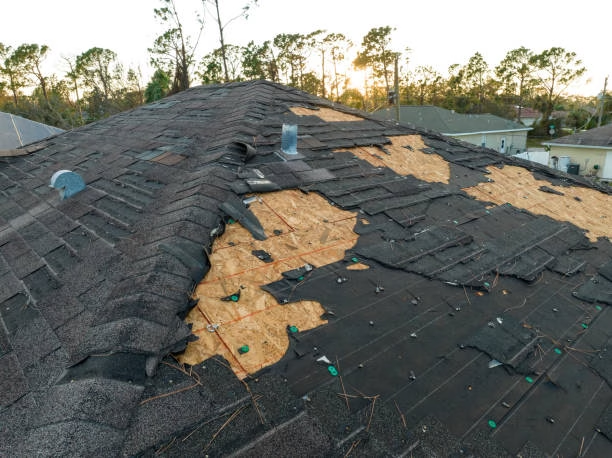
Storm Damage Roofing in Central Virginia: What to Do in the First 24 Hours After Your Roof Is Hit
Sep. 23, 2026Topics
Our Services
- Gutter Services
- Storm Damage Roofing
- Commercial Roofing Service
- BRAVA Cedar Shake Roofing Tile
- Insurance Claim Assistance
- Residential Roofing Services
- Roof Inspection Services
- Roof Repair Service
- Roof Replacement Service
- Shingle Roofing Service
- Metal Roofing Service
- Emergency Roof Repair Services
- BRAVA Spanish Tile
- BRAVA Slate Tile