
Contact Us Today
Damage Storm Roofing
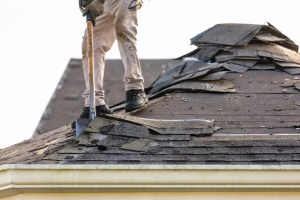
Storm Damage Roofing Overview
Storm damage roofing addresses issues caused by wind, hail, and heavy rain. Damage may not always be visible immediately. Professional evaluation ensures hidden problems are identified.
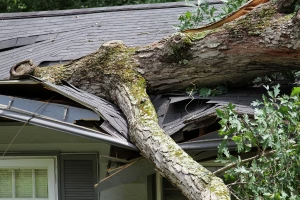
Types of Storm-Related Damage
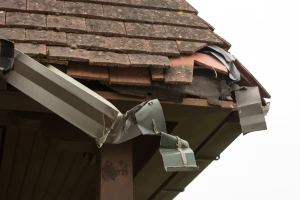
Common storm damage includes lifted shingles, punctured flashing, displacement and water intrusion. Even minor damage can compromise roof integrity. Early detection prevents escalation.
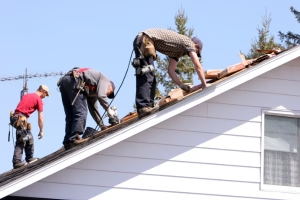
Importance of Post Storm Inspections
Post-storm inspections identify damage before leaks develop. Moisture intrusion often occurs weeks after a storm. Inspections help protect interior structures.
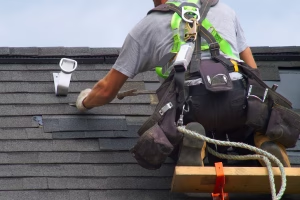
Storm Damage Repair Options
Repairs may involve shingle replacement, flashing repairs, or partial roof restoration. Solutions depend on damage severity and roof condition. Proper repairs restore protection.
Insurance Claim Support
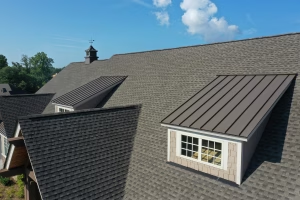
Accurate documentation helps support insurance claims. Detailed inspections provide clear evidence of storm-related damage. This helps ensure appropriate coverage.
Temporary Protection Measures
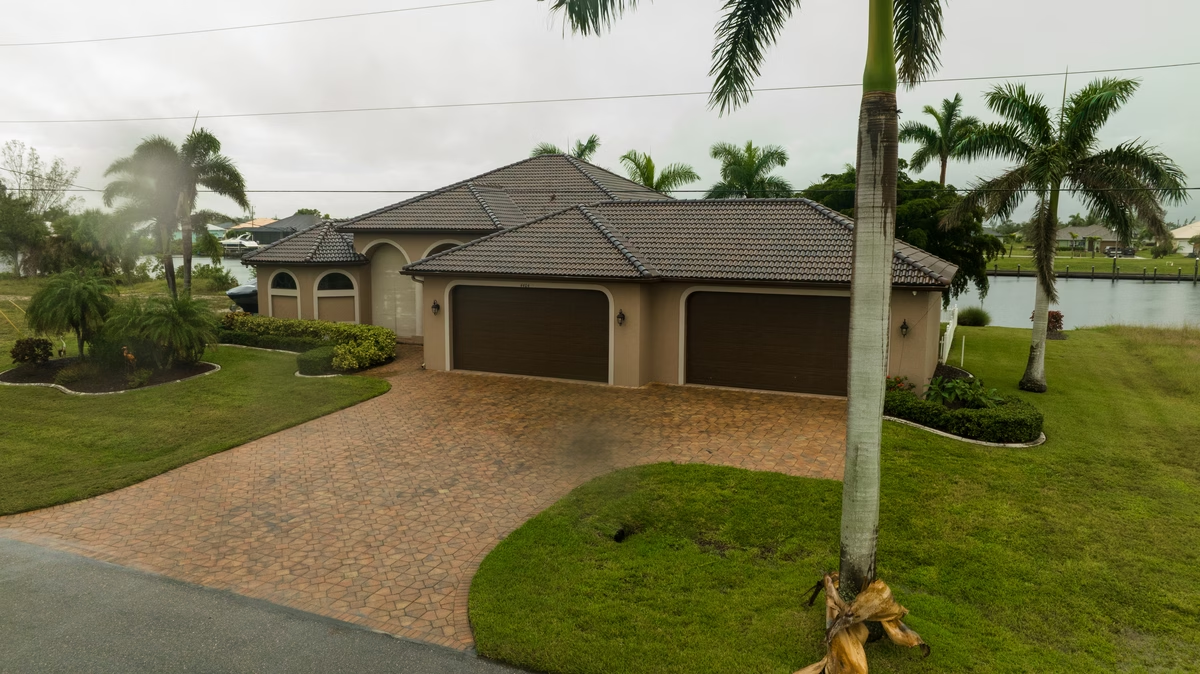
Temporary protection prevents further water intrusion. These measures stabilize the roof until permanent repairs are completed. Prompt action minimizes interior damage.
Long-Term Impact of Storm Damage
Unrepaired storm damage can lead to mold rot and structural failure. Long-term exposure worsens roof deterioration. Professional repairs protect roof longevity.
Preparing for Future Storms
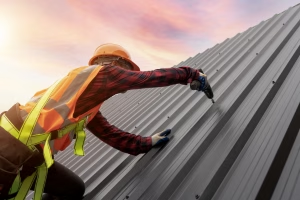
Metal roofs can last several decades with proper installation and care. Their long lifespan reduces replacement frequency. This makes metal roofing a cost-effective long-term solution.
Brava Tiles For Roof Repair
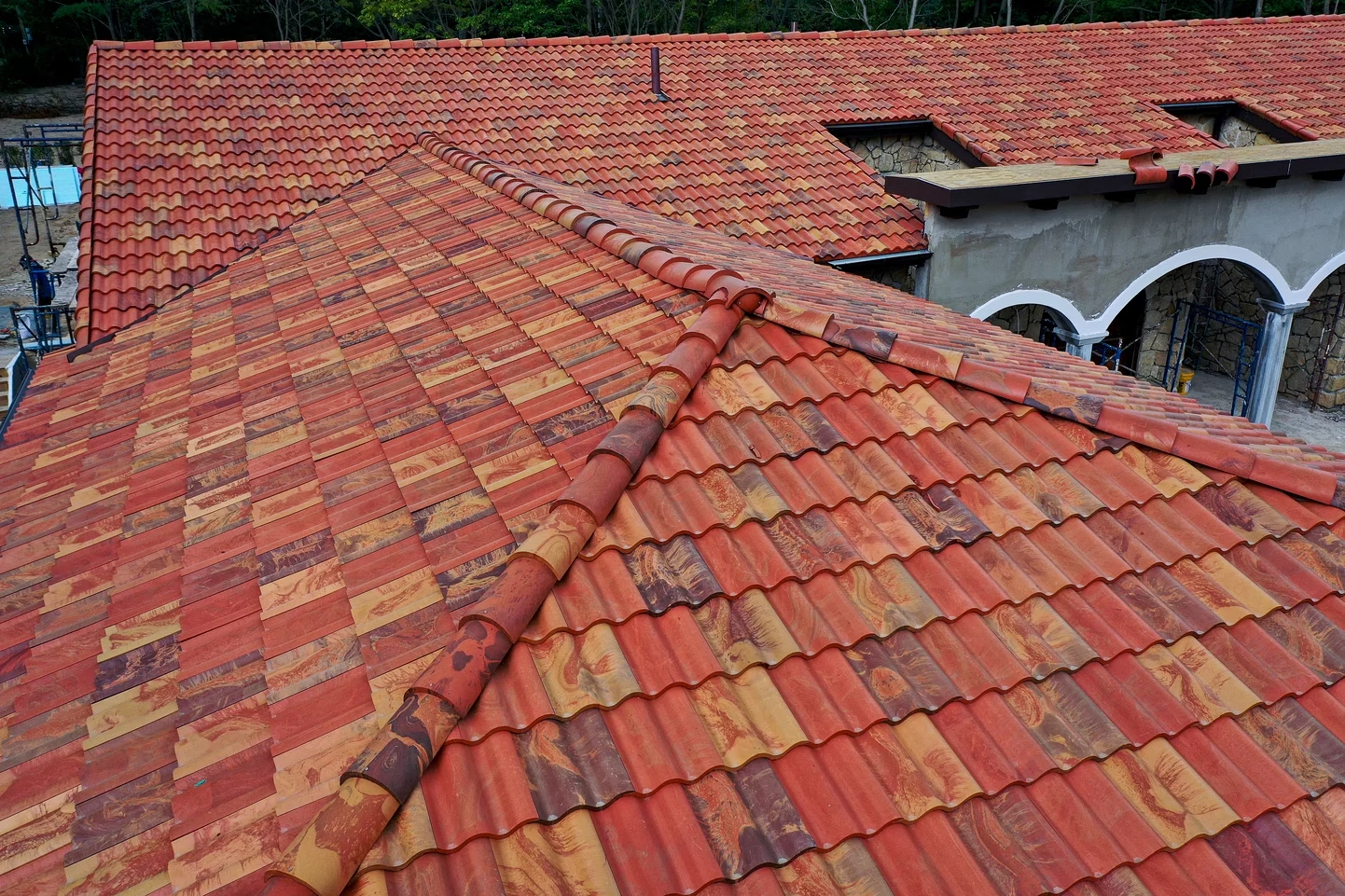
BRAVA Spanish Tile
BRAVA Spanish Roofing Tile BRAVA Spanish Roofing Tile Warmth and beauty of traditional clay tile, with the benefits of a light-weight synthetic material. Composite Spanish Barrel Tile If you’re looking for Spanish roof tile alternatives, familiarize yourself with Brava Barrel tile. Our composite roofing tiles are the perfect barrel clay tile alternative. As you know, traditional barrel tile roof squares
Read More
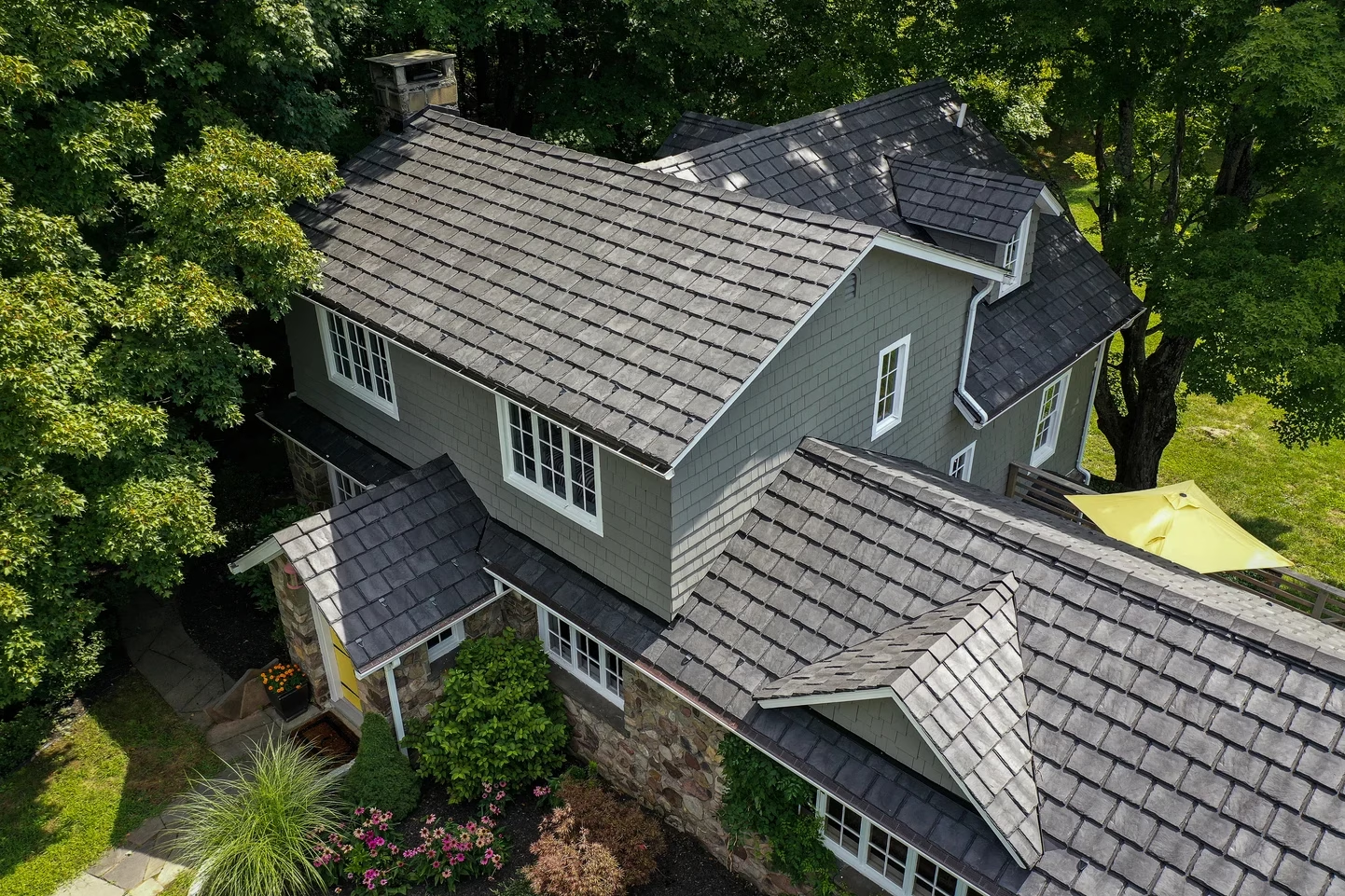
BRAVA Slate Tile
Brava Slate Tile Brava Slate Tile Elegance and durability of natural slate with all the benefits of composite roof tile, at a fraction of the cost. Composite Slate Roof Tile If you’re looking for the incredible aesthetics of natural quarried slate roofing and want to avoid costly substructure modifications required to handle the extreme weight of slate tiles, Brava’s revolutionary
Read More
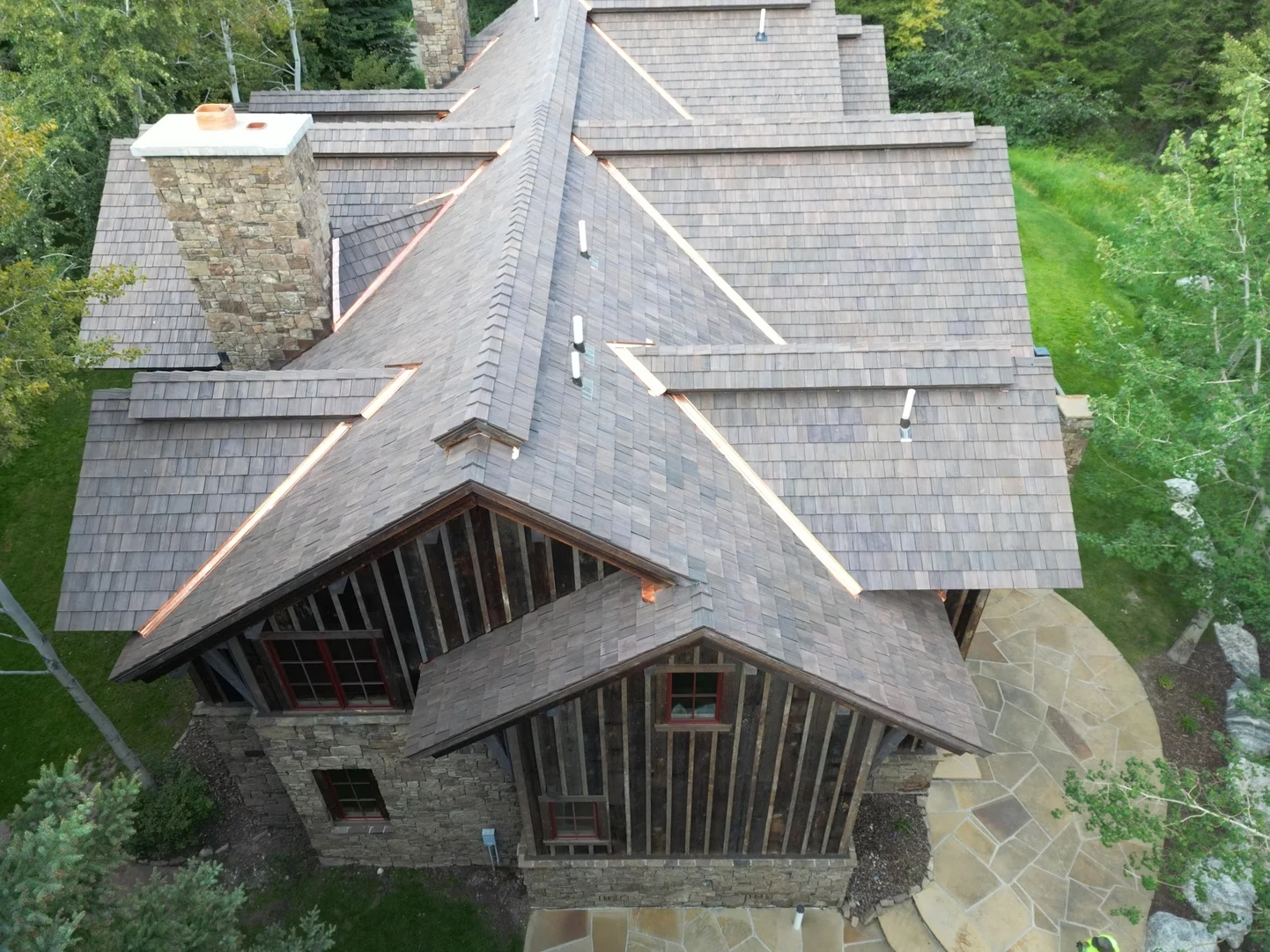
BRAVA Cedar Shake Roofing Tile
Cedar Shake Roofing Tile BRAVA Cedar Shake Roofing Tile Realistic, true to life look of hand-split cedar shake, with the long-lasting durability of composite material. Synthetic Cedar Shake Roofing When searching for a cedar shake roof alternative, Brava’s synthetic shake roofing tiles should be at the top of your list. Our polymer shingles have all of the true to life
Read More
Frequently Asked Questions
Four Seasons Roofing brings generations of Amish craftsmanship to modern roofing needs. Since our founding, we've combined traditional work ethics with cutting-edge roofing technology to deliver superior results for every client. Our commitment to excellence has made us Central Virginia's trusted choice for all roofing needs
Contact Us For Your Roof Damage Today!
Fill out the form below, and one of our customer representatives will reach out to you within 24 business hours.
or call us at