
Contact Us Today
Shingle Roofing Service
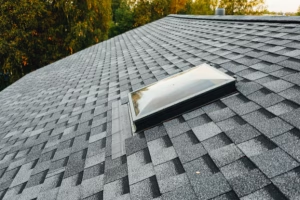
Shingle Roofing Overview
Shingle roofing is a widely used roofing solution for residential properties. It offers a balance of affordability, durability, and visual appeal. Shingle roofing systems are suitable for many architectural styles.
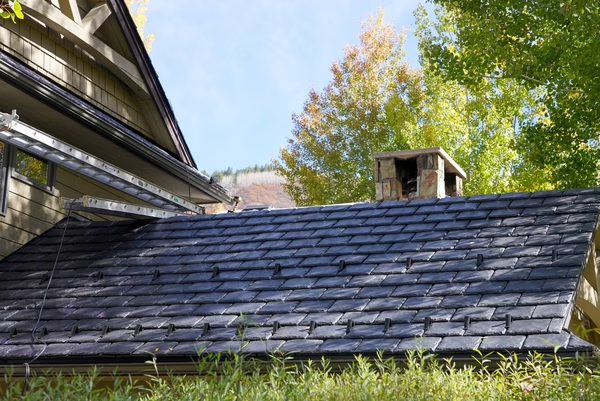
Types of Shingles
Common shingle options include three-tab and architectural shingles. Architectural shingles provide enhanced thickness and dimensional appearance. Material choice affects lifespan and performance.
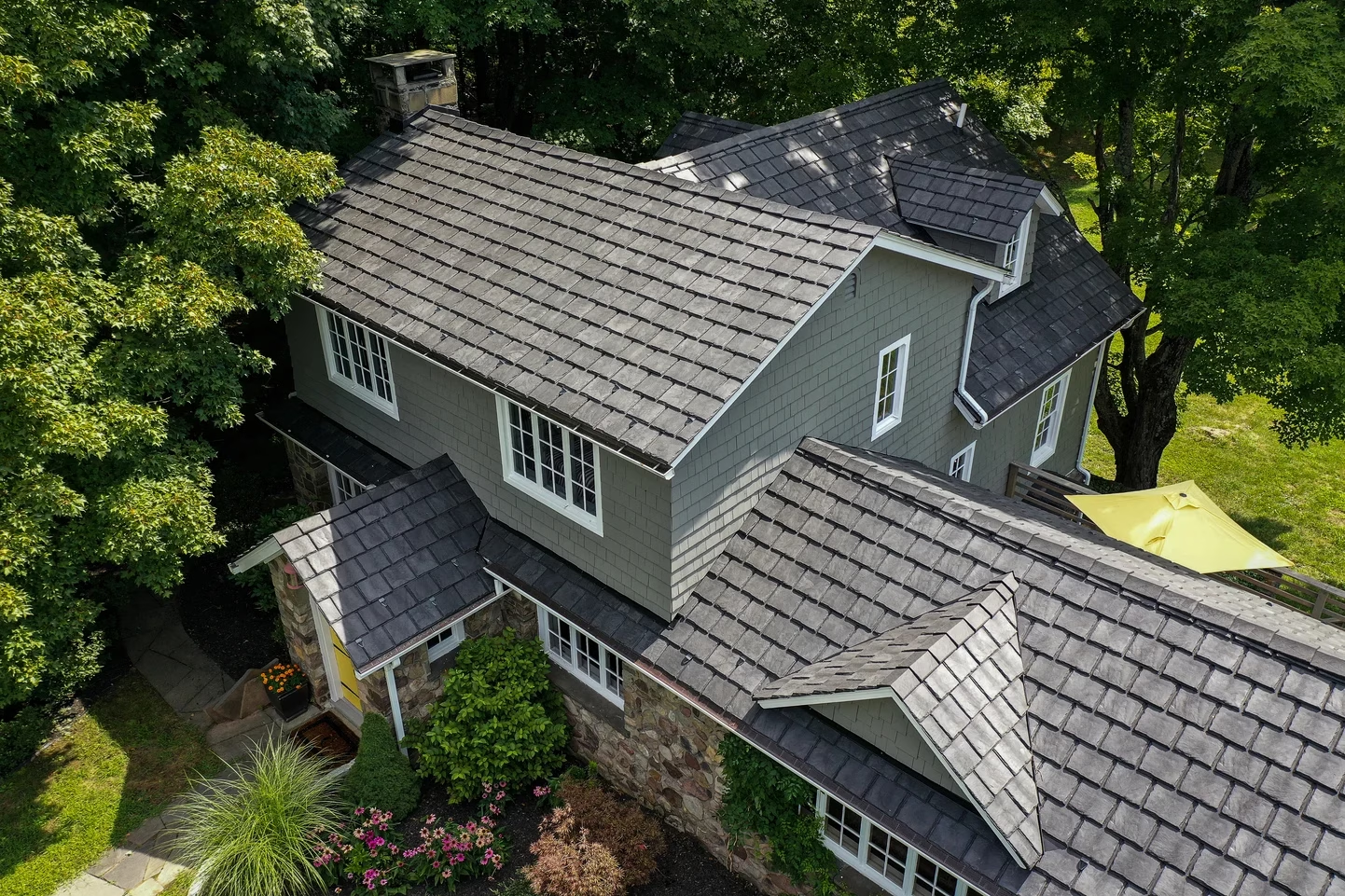
Performance Characteristics
Shingle roofing provides reliable protection against rain, wind, and sun exposure. Proper installation ensures effective water shedding and ventilation. We partner with GAF roofing to provide some of the best Shingle Roofing options available.
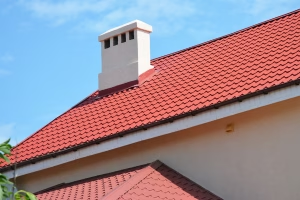
Installation Best Practices
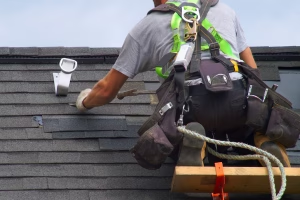
Shingle roofing installation requires correct underlayment, flashing, and nailing patterns. Proper alignment prevents leaks and premature failure. Skilled installation maximizes roof lifespan.
Lifespan of Shingle Roofs
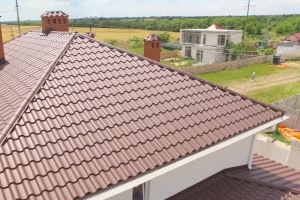
Shingle roofs typically last between fifteen and thirty years, depending on material and conditions. Weather exposure and maintenance impact longevity. Routine inspections help extend lifespan.
Maintenance Needs
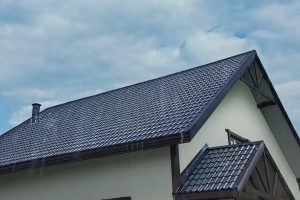
Maintenance includes inspecting for missing shingles, clearing debris, and checking flashing. Small repairs prevent larger issues. Consistent maintenance improves roof reliability.
Cost Effectiveness
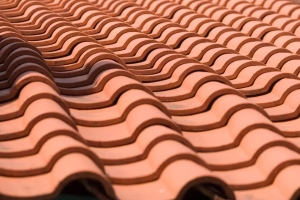
Shingle roofing offers one of the most cost-effective roofing solutions. It provides strong performance at a reasonable investment. This makes it a popular choice for homeowners.
Suitability for Residential Homes
Metal roofs can last several decades with proper installation and care. Their long lifespan reduces replacement frequency. This makes metal roofing a cost-effective long-term solution.
Brava Roof Tiles
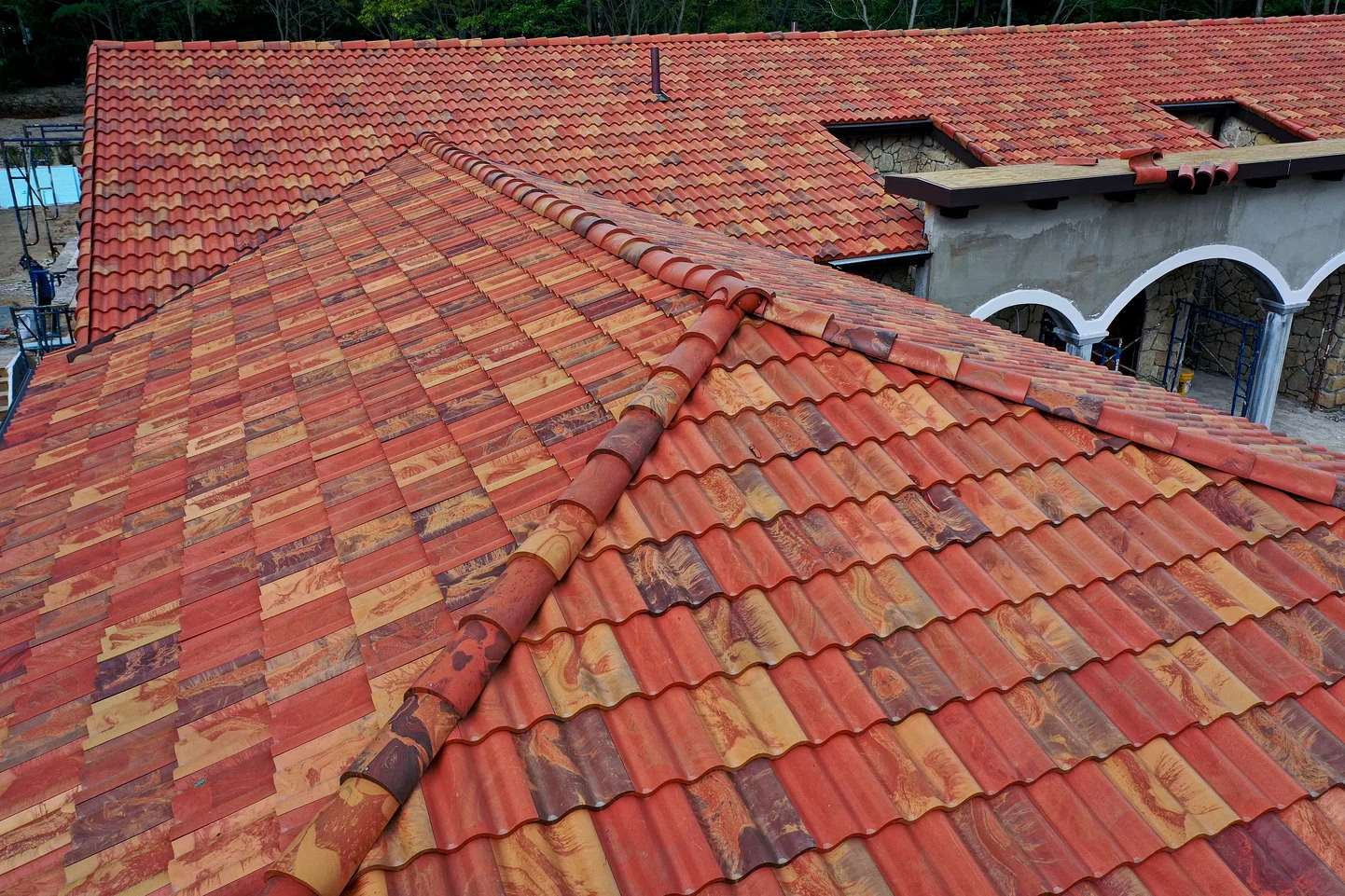
BRAVA Spanish Tile
BRAVA Spanish Roofing Tile BRAVA Spanish Roofing Tile Warmth and beauty of traditional clay tile, with the benefits of a light-weight synthetic material. Composite Spanish Barrel Tile If you’re looking for Spanish roof tile alternatives, familiarize yourself with Brava Barrel tile. Our composite roofing tiles are the perfect barrel clay tile alternative. As you know, traditional barrel tile roof squares
Read More
BRAVA Slate Tile
Brava Slate Tile Brava Slate Tile Elegance and durability of natural slate with all the benefits of composite roof tile, at a fraction of the cost. Composite Slate Roof Tile If you’re looking for the incredible aesthetics of natural quarried slate roofing and want to avoid costly substructure modifications required to handle the extreme weight of slate tiles, Brava’s revolutionary
Read More
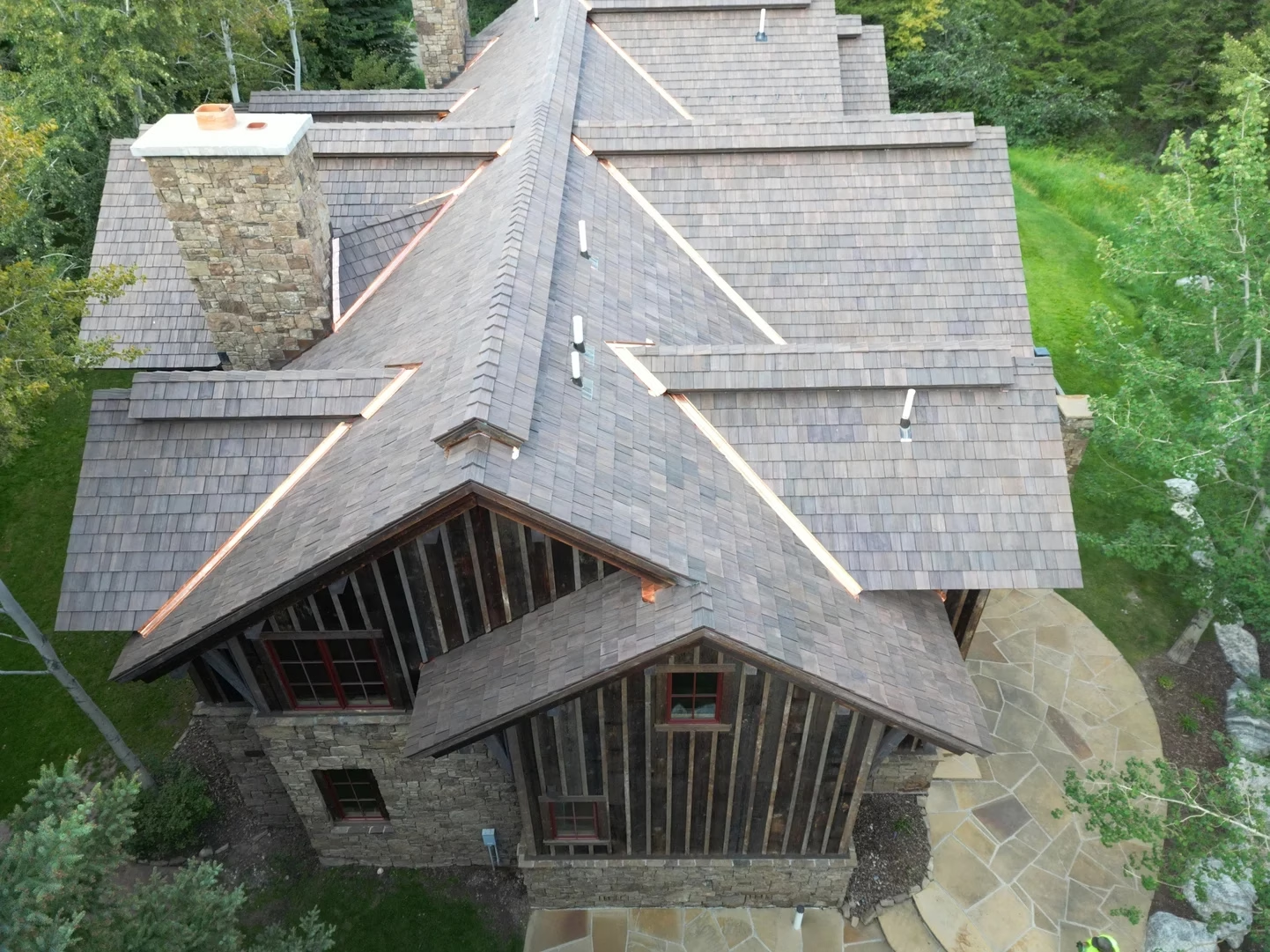
BRAVA Cedar Shake Roofing Tile
Cedar Shake Roofing Tile BRAVA Cedar Shake Roofing Tile Realistic, true to life look of hand-split cedar shake, with the long-lasting durability of composite material. Synthetic Cedar Shake Roofing When searching for a cedar shake roof alternative, Brava’s synthetic shake roofing tiles should be at the top of your list. Our polymer shingles have all of the true to life
Read More
Frequently Asked Questions
Four Seasons Roofing brings generations of Amish craftsmanship to modern roofing needs. Since our founding, we've combined traditional work ethics with cutting-edge roofing technology to deliver superior results for every client. Our commitment to excellence has made us Central Virginia's trusted choice for all roofing needs
Contact Us For Your Shingle Roofs Today!
Fill out the form below, and one of our customer representatives will reach out to you within 24 business hours.
or call us at