Common Signs That Your Roof Needs Inspection
Homeowners should be aware of various signs indicating that their roof may need an inspection. These signs include missing or damaged shingles, water stains on ceilings, and visible sagging or drooping in the roof structure. Identifying these issues early can prevent more extensive damage and costly repairs.
For instance, if you notice granules from shingles accumulating in your gutters or on the ground, it's a clear indication that your roof is wearing out. Additionally, if you see daylight peeking through your roof boards, it's crucial to schedule an inspection immediately to assess potential leaks and structural integrity.
How to Prepare for a Roof Inspection
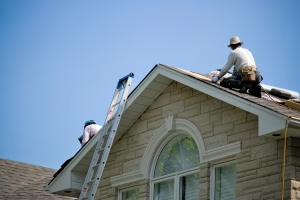
Preparing for a roof inspection can help streamline the process and ensure that no issues are overlooked. Homeowners should clear the area around the roof, including removing any debris, branches, or obstructions that may hinder the inspector's access. Additionally, it's beneficial to inform the inspector of any previous issues or concerns you've noticed.
Moreover, documenting any recent weather events, such as heavy storms or hail, can provide valuable context for the inspection. This information allows the inspector to focus on areas that may have been impacted, ensuring a thorough evaluation of your roofing system.
Understanding the Cost of Roof Inspections
The cost of roof inspections can vary based on several factors, including the size of the roof, the complexity of the inspection, and the location of the property. On average, homeowners can expect to pay between $100 to $500 for a professional inspection, which is a small investment compared to the potential savings from early issue detection.
It's important to note that some roofing companies may offer free inspections as part of their services, especially if you are considering repairs or replacements. Always ask about pricing upfront and ensure you understand what is included in the inspection to avoid any surprises.
Post-Inspection Recommendations
After a roof inspection, homeowners should receive a detailed report outlining the findings and any recommended actions. This document is crucial for understanding the current condition of your roof and planning for necessary repairs or maintenance. Following the recommendations can significantly extend the lifespan of your roofing system.
For example, if the inspection reveals minor repairs needed, addressing them promptly can prevent more significant issues in the future. Additionally, the report may suggest a maintenance schedule to help you keep your roof in optimal condition, ensuring that it remains a reliable shield against the elements.
Common Signs That Your Roof Needs Inspection
Homeowners should be aware of various signs indicating that their roof may need an inspection. These signs include missing or damaged shingles, water stains on ceilings, and visible sagging or drooping in the roof structure. Identifying these issues early can prevent more extensive damage and costly repairs.
For instance, if you notice granules from shingles accumulating in your gutters or on the ground, it's a clear indication that your roof is wearing out. Additionally, if you see daylight peeking through your roof boards, it's crucial to schedule an inspection immediately to assess potential leaks and structural integrity.
How to Prepare for a Roof Inspection
Preparing for a roof inspection can help streamline the process and ensure that no issues are overlooked. Homeowners should clear the area around the roof, including removing any debris, branches, or obstructions that may hinder the inspector's access. Additionally, it's beneficial to inform the inspector of any previous issues or concerns you've noticed.
Moreover, documenting any recent weather events, such as heavy storms or hail, can provide valuable context for the inspection. This information allows the inspector to focus on areas that may have been impacted, ensuring a thorough evaluation of your roofing system.
Understanding the Cost of Roof Inspections
The cost of roof inspections can vary based on several factors, including the size of the roof, the complexity of the inspection, and the location of the property. On average, homeowners can expect to pay between 0 to 0 for a professional inspection, which is a small investment compared to the potential savings from early issue detection.
It's important to note that some roofing companies may offer free inspections as part of their services, especially if you are considering repairs or replacements. Always ask about pricing upfront and ensure you understand what is included in the inspection to avoid any surprises.
Post-Inspection Recommendations
After a roof inspection, homeowners should receive a detailed report outlining the findings and any recommended actions. This document is crucial for understanding the current condition of your roof and planning for necessary repairs or maintenance. Following the recommendations can significantly extend the lifespan of your roofing system.
For example, if the inspection reveals minor repairs needed, addressing them promptly can prevent more significant issues in the future. Additionally, the report may suggest a maintenance schedule to help you keep your roof in optimal condition, ensuring that it remains a reliable shield against the elements.