
Contact Us Today
Roof Repair Service
Roof Repair Overview
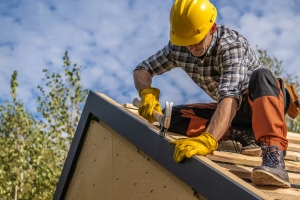
Roof repair addresses specific areas of damage without replacing the entire roofing system. Professional roof repair restores protection and prevents further deterioration. Timely repairs are essential for maintaining structural integrity and interior safety.
Common Causes of Roof Damage
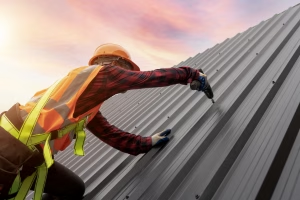
Roof damage is often caused by wind, heavy rain, falling debris, aging materials, and improper installation. Small issues such as cracked shingles or loose flashing can quickly lead to leaks. Understanding the cause of damage helps determine the correct repair solution.
Roof Leak Detection
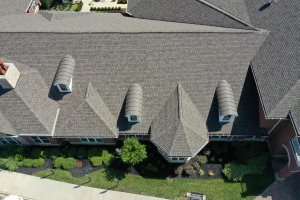
Effective roof repair begins with identifying the true source of leaks. Water often travels beneath roofing materials before becoming visible indoors. Professional inspection ensures repairs address the underlying issue rather than surface symptoms.
Roof Repair Techniques
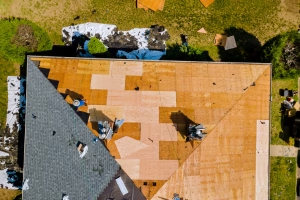
Roof repair techniques vary depending on material type and damage severity. Repairs may include shingle replacement, flashing resealing, or localized structural reinforcement. Proper materials and techniques ensure repairs integrate seamlessly with the existing roof.
Benefits of Prompt Roof Repair
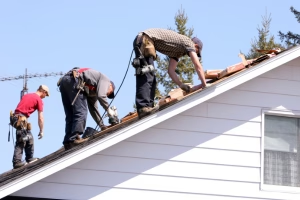
Addressing roof issues early prevents interior water damage, mold growth, and insulation failure. Prompt roof repair extends the lifespan of the overall roofing system. It also reduces long-term repair costs and unexpected emergencies.
Roof Repair Durability
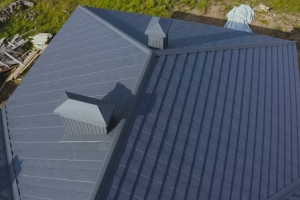
Quality roof repairs restore weather resistance and structural stability. When completed correctly, repairs can last for many years. Durability depends on accurate diagnosis, proper materials, and skilled workmanship.

Roof Repair Versus Replacement
Roof repair is ideal when damage is isolated and the roof is otherwise in good condition. Replacement may be necessary when damage is widespread or the roof is nearing the end of its lifespan. Professional evaluation helps determine the best option.
Preventing Future Roof Damage
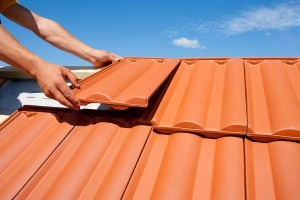
Routine inspections and maintenance help prevent future roof repair needs. Clearing debris, maintaining gutters, and addressing minor issues early protects roof performance. Preventive care reduces long-term roofing expenses.
Brava Tiles For Roof Repair
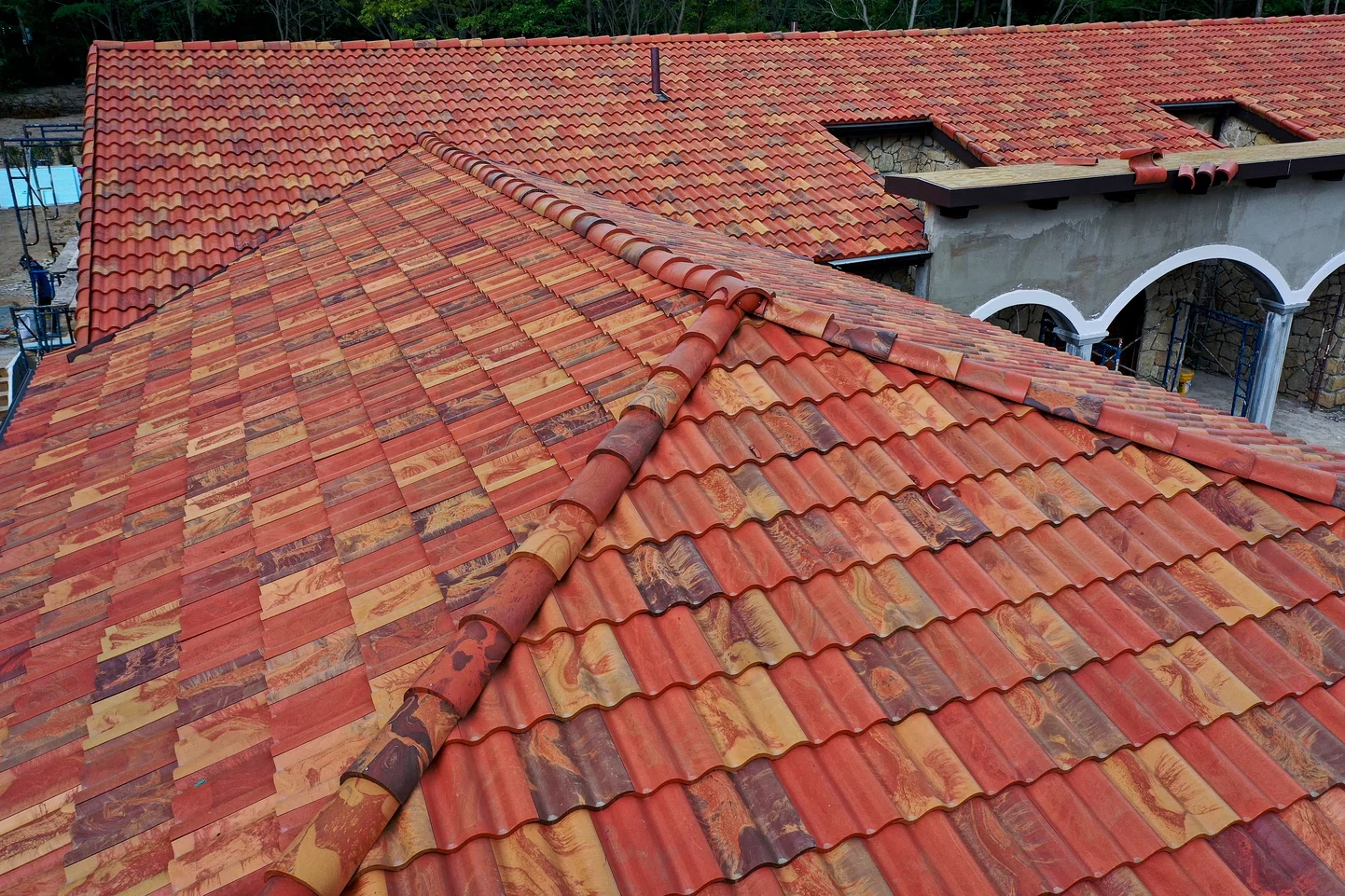
BRAVA Spanish Tile
BRAVA Spanish Roofing Tile BRAVA Spanish Roofing Tile Warmth and beauty of traditional clay tile, with the benefits of a light-weight synthetic material. Composite Spanish Barrel Tile If you’re looking for Spanish roof tile alternatives, familiarize yourself with Brava Barrel tile. Our composite roofing tiles are the perfect barrel clay tile alternative. As you know, traditional barrel tile roof squares
Read More
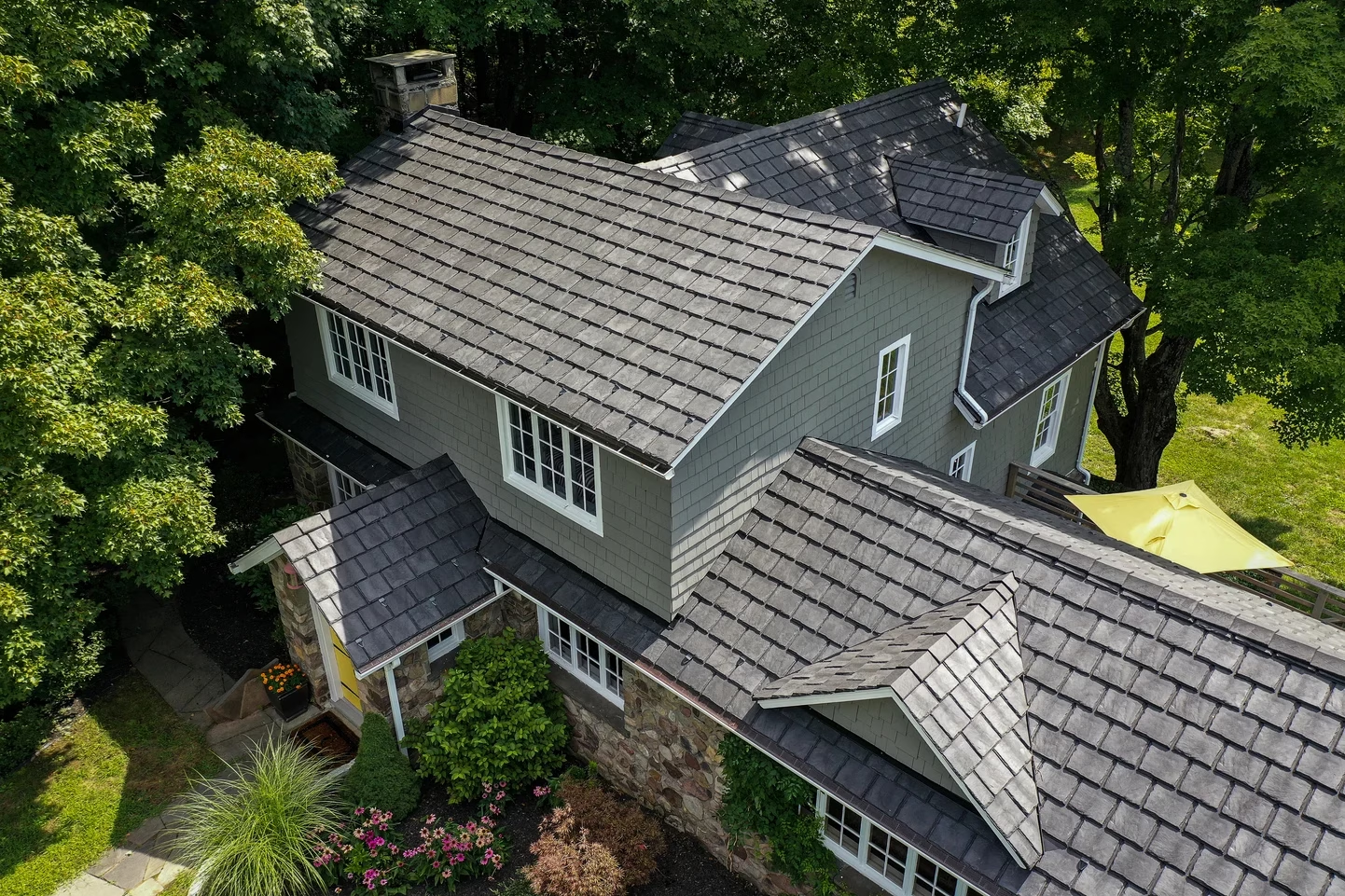
BRAVA Slate Tile
Brava Slate Tile Brava Slate Tile Elegance and durability of natural slate with all the benefits of composite roof tile, at a fraction of the cost. Composite Slate Roof Tile If you’re looking for the incredible aesthetics of natural quarried slate roofing and want to avoid costly substructure modifications required to handle the extreme weight of slate tiles, Brava’s revolutionary
Read More
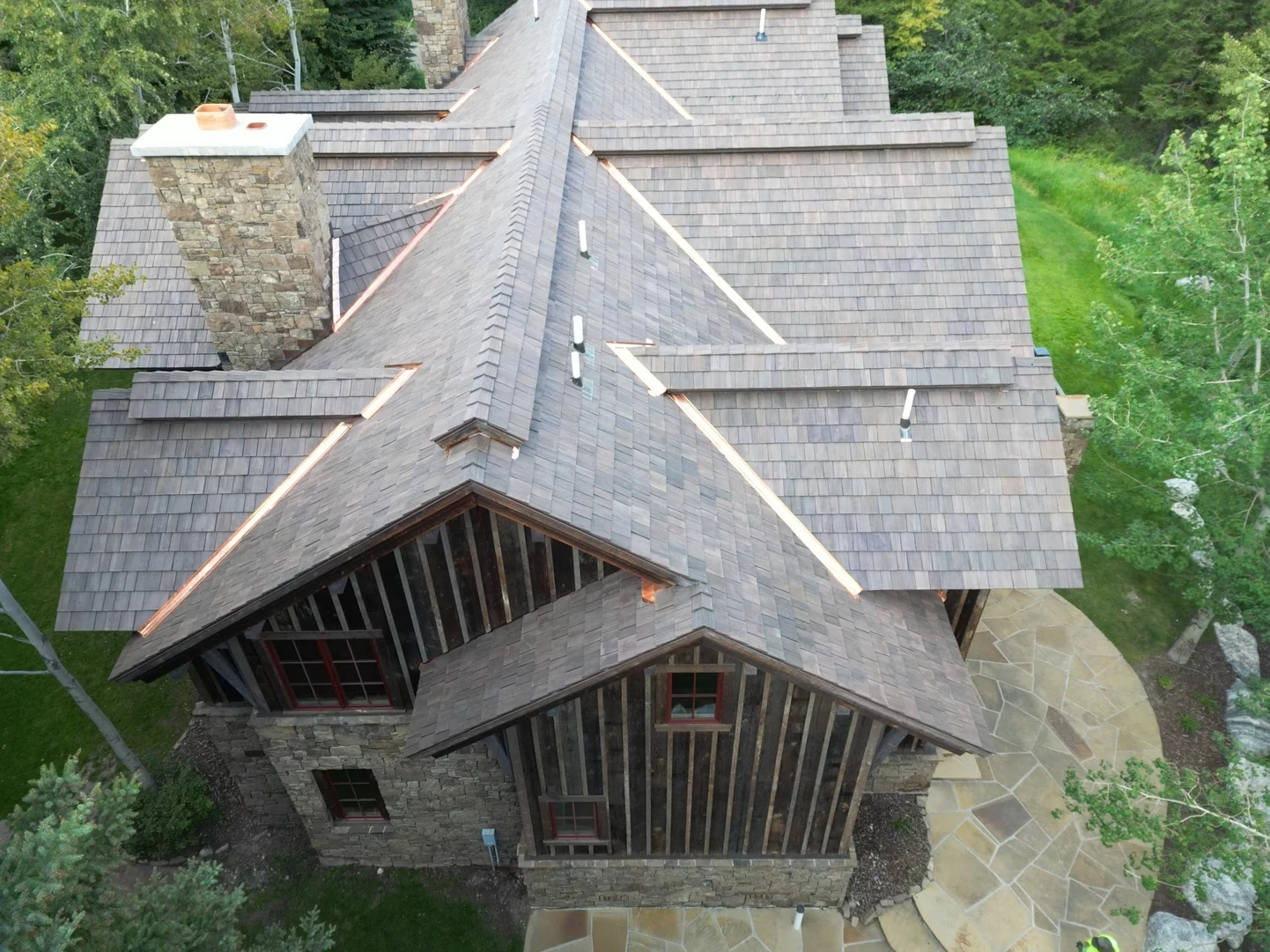
BRAVA Cedar Shake Roofing Tile
Cedar Shake Roofing Tile BRAVA Cedar Shake Roofing Tile Realistic, true to life look of hand-split cedar shake, with the long-lasting durability of composite material. Synthetic Cedar Shake Roofing When searching for a cedar shake roof alternative, Brava’s synthetic shake roofing tiles should be at the top of your list. Our polymer shingles have all of the true to life
Read More
Frequently Asked Questions
Four Seasons Roofing brings generations of Amish craftsmanship to modern roofing needs. Since our founding, we've combined traditional work ethics with cutting-edge roofing technology to deliver superior results for every client. Our commitment to excellence has made us Central Virginia's trusted choice for all roofing needs
Contact Us For Your Roof Repair Today!
Fill out the form below, and one of our customer representatives will reach out to you within 24 business hours.
or call us at