Contact Us Today
RESIDENTIAL ROOFING
Residential Roofing Overview
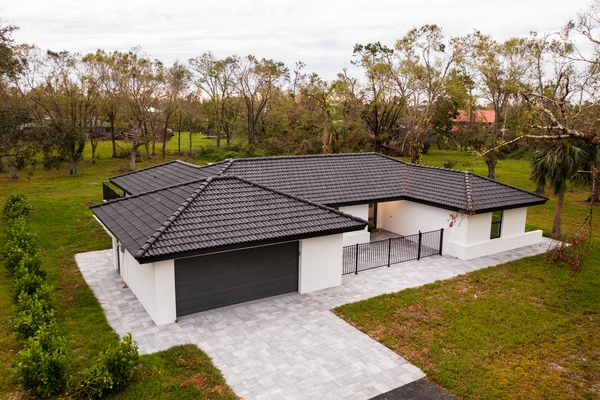
Residential roofing plays a critical role in protecting homes from rain, wind, heat, and long-term structural damage. Four Seasons Roofing provides complete residential roofing services for homeowners throughout Central Virginia. Our roofing systems are designed to withstand regional weather conditions while improving durability, energy efficiency, and curb appeal.
Importance of a Reliable Residential Roof
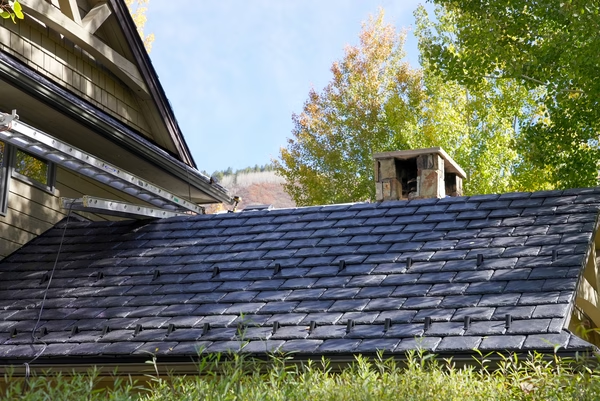
A properly installed residential roof helps prevent water intrusion, mold growth, and insulation damage. It also supports proper attic ventilation and temperature regulation throughout the home. Investing in quality residential roofing reduces long-term maintenance costs and protects property value.
Signs of Residential Roof Wear
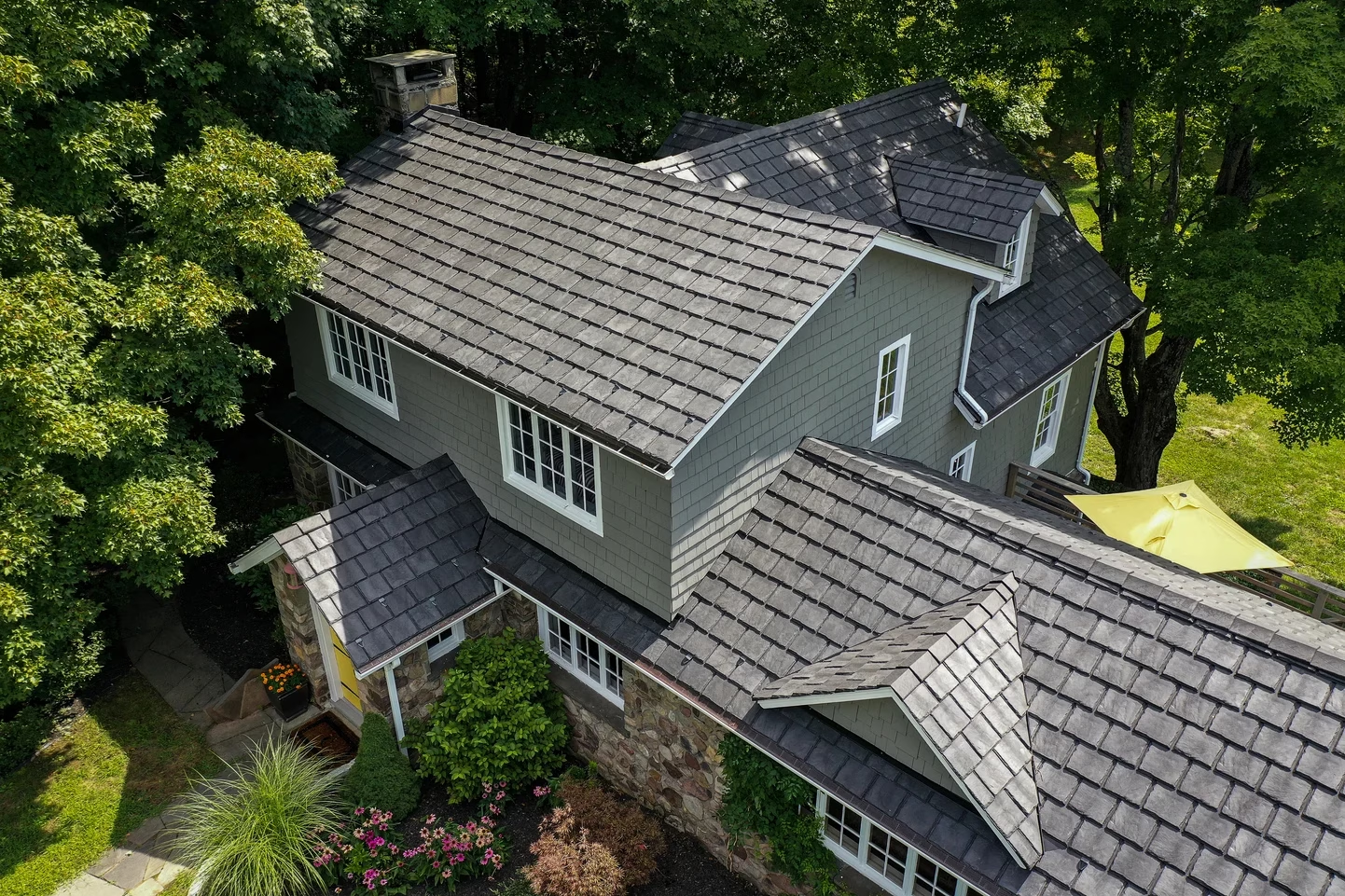
Common signs of roof wear include missing or curling shingles, discoloration, water stains on ceilings, and granules collecting in gutters. Older roofs may also show uneven surfaces or weakened structural areas. Identifying these issues early helps prevent costly interior repairs.
Residential Roofing Materials
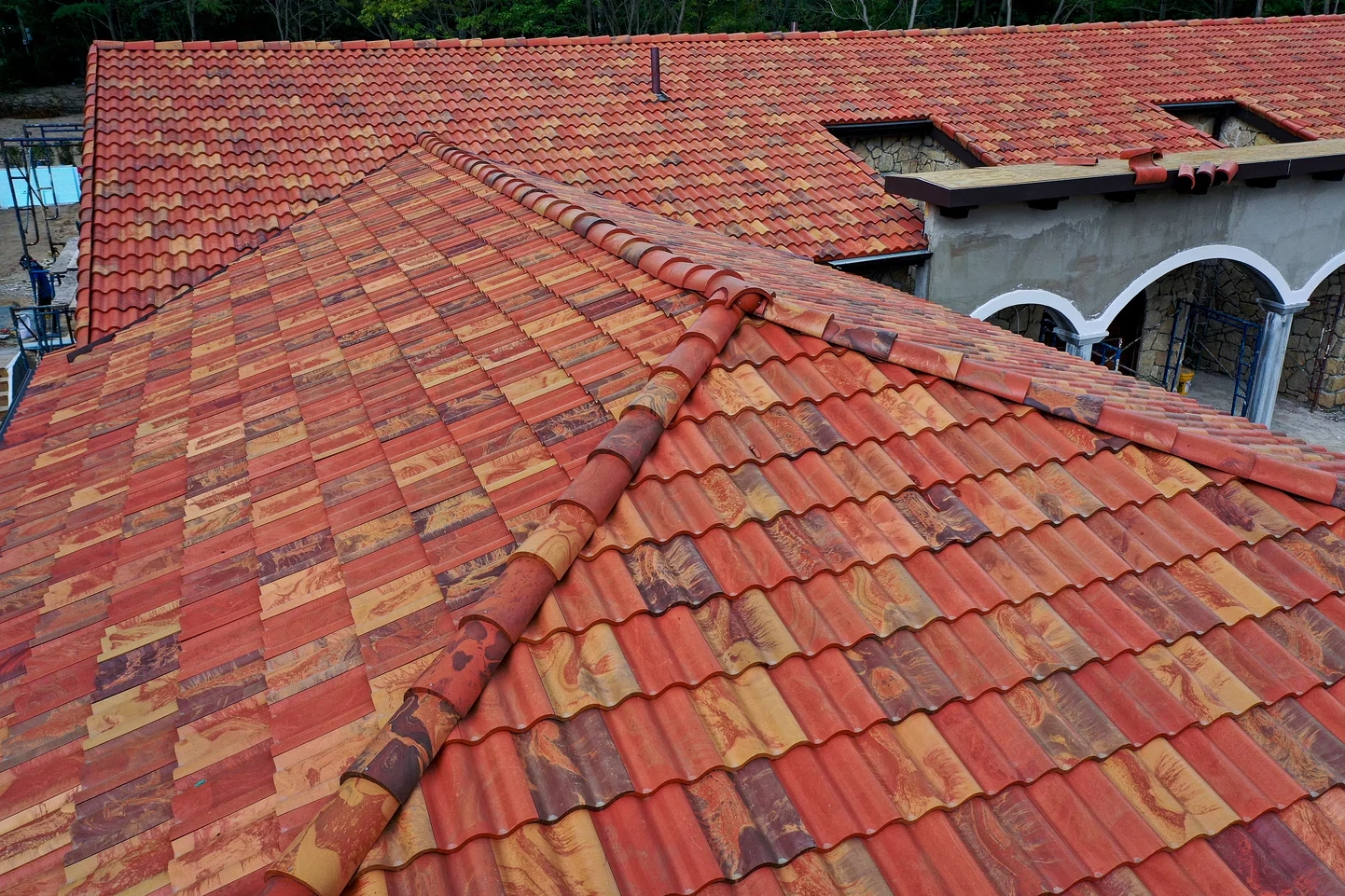
Residential roofing materials include asphalt shingles, architectural shingles, and metal roofing systems. Each option offers different benefits related to lifespan, appearance, and performance. Choosing the right material depends on home design, climate exposure, and long-term goals.
Residential Roofing Installation Process
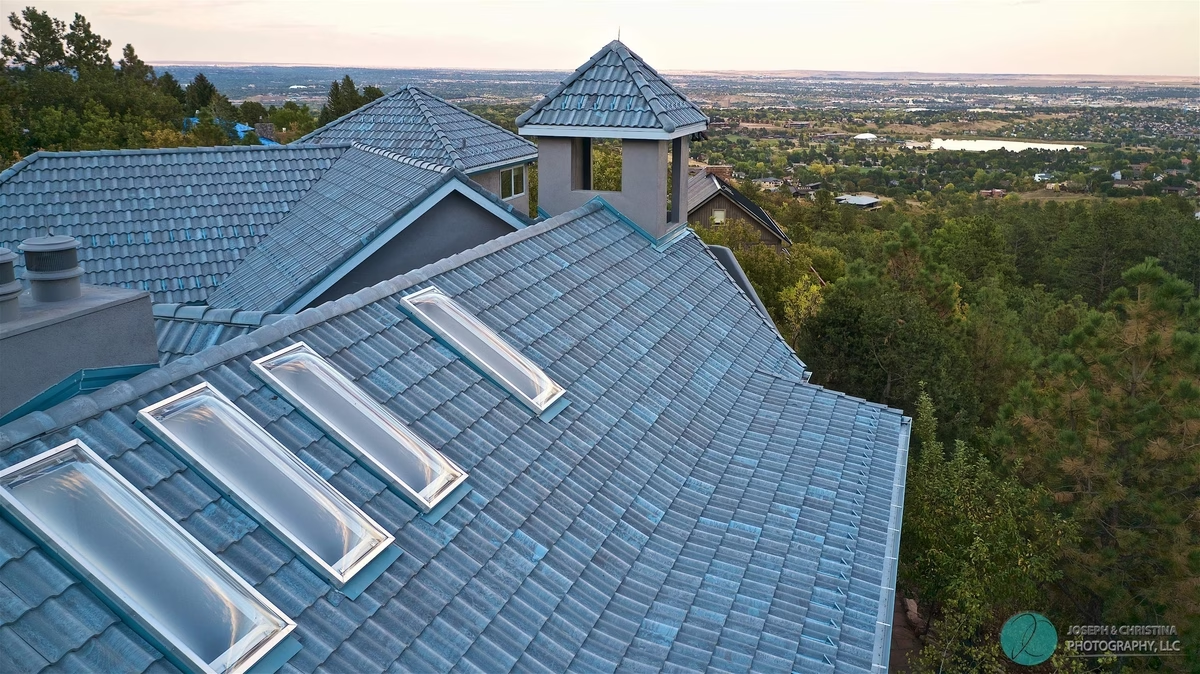
Residential roofing installation begins with a detailed inspection and preparation of the roof surface. Proper underlayment flashing and ventilation are installed to ensure moisture control and structural integrity. Attention to detail during installation directly affects roof lifespan and performance.
Residential Roofing Performance in Virginia
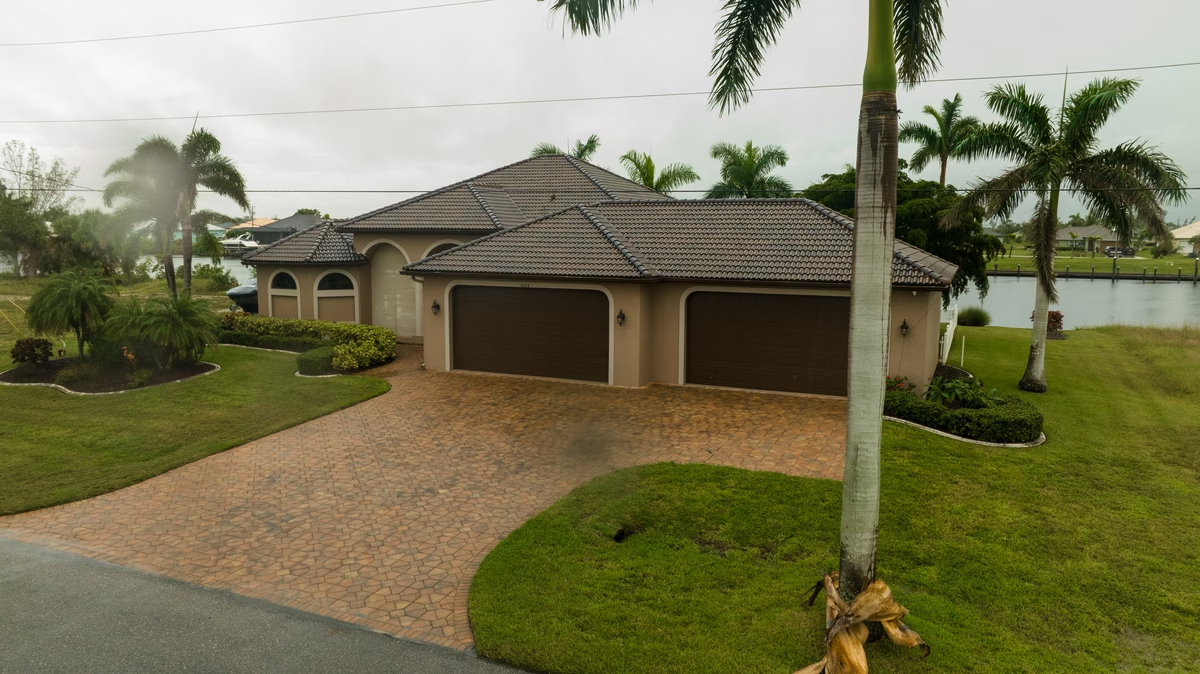
Virginia weather presents challenges such as heavy rain, summer heat, and seasonal storms. Residential roofing systems must be installed to handle thermal expansion, moisture exposure, and wind resistance. Proper material selection and installation techniques ensure long-term performance in this environment.
Residential Roofing Maintenance
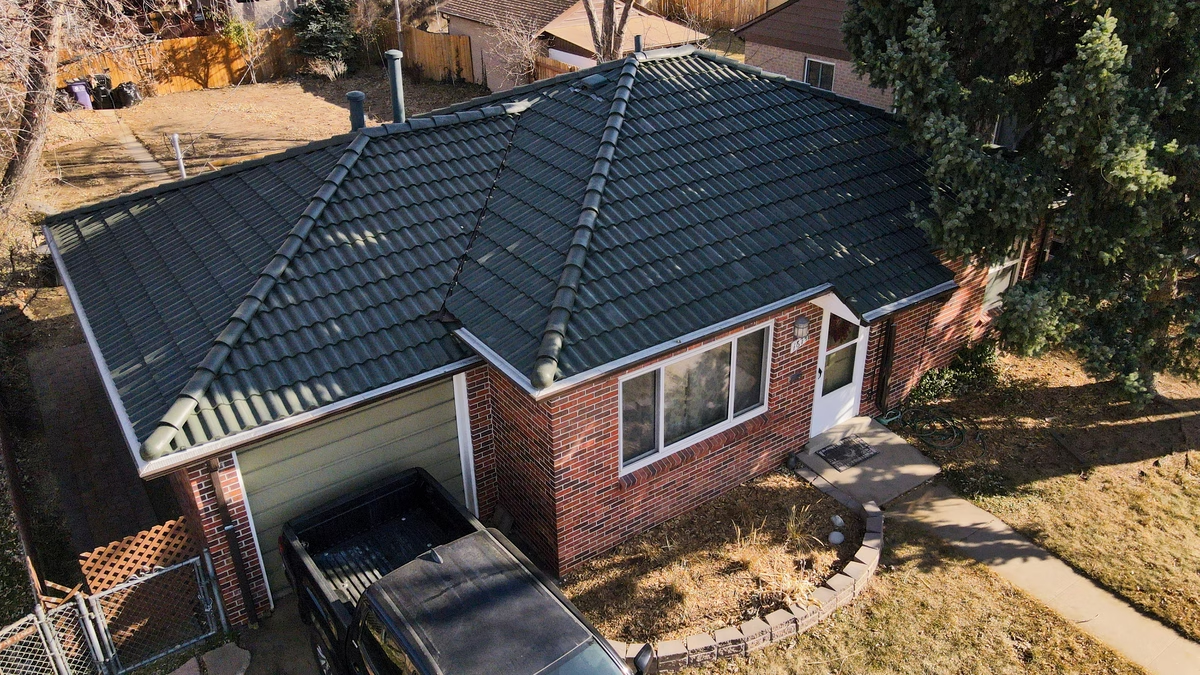
Routine maintenance helps extend the life of a residential roof and prevents unexpected issues. Inspections identify small problems before they escalate into major repairs. Maintaining the roof also helps preserve manufacturer warranties and overall system integrity.
Long-Term Value of Residential Roofing
A well-installed residential roof increases home resale value and improves energy efficiency. It provides peace of mind knowing the structure is protected year-round. Quality residential roofing is a long-term investment in safety, comfort, and property preservation.
Brava Tiles For Residential Roofs
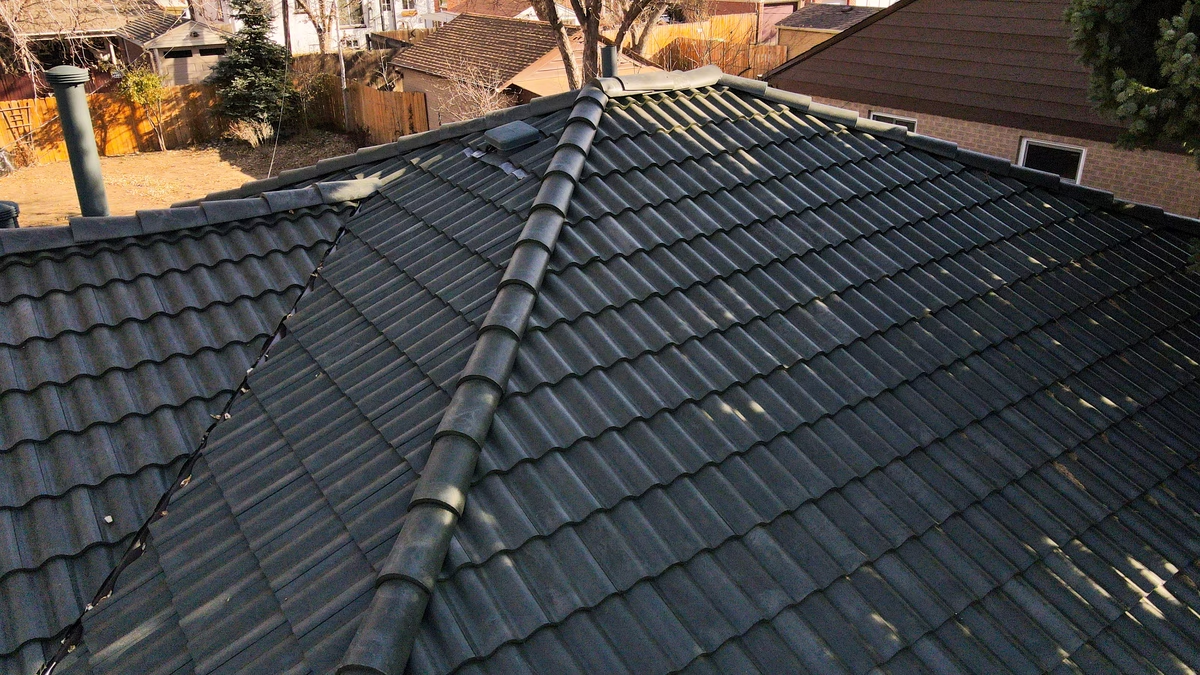
BRAVA Spanish Tile
BRAVA Spanish Roofing Tile BRAVA Spanish Roofing Tile Warmth and beauty of traditional clay tile, with the benefits of a light-weight synthetic material. Composite Spanish Barrel Tile If you’re looking for Spanish roof tile alternatives, familiarize yourself with Brava Barrel tile. Our composite roofing tiles are the perfect barrel clay tile alternative. As you know, traditional barrel tile roof squares
Read More
BRAVA Slate Tile
Brava Slate Tile Brava Slate Tile Elegance and durability of natural slate with all the benefits of composite roof tile, at a fraction of the cost. Composite Slate Roof Tile If you’re looking for the incredible aesthetics of natural quarried slate roofing and want to avoid costly substructure modifications required to handle the extreme weight of slate tiles, Brava’s revolutionary
Read More
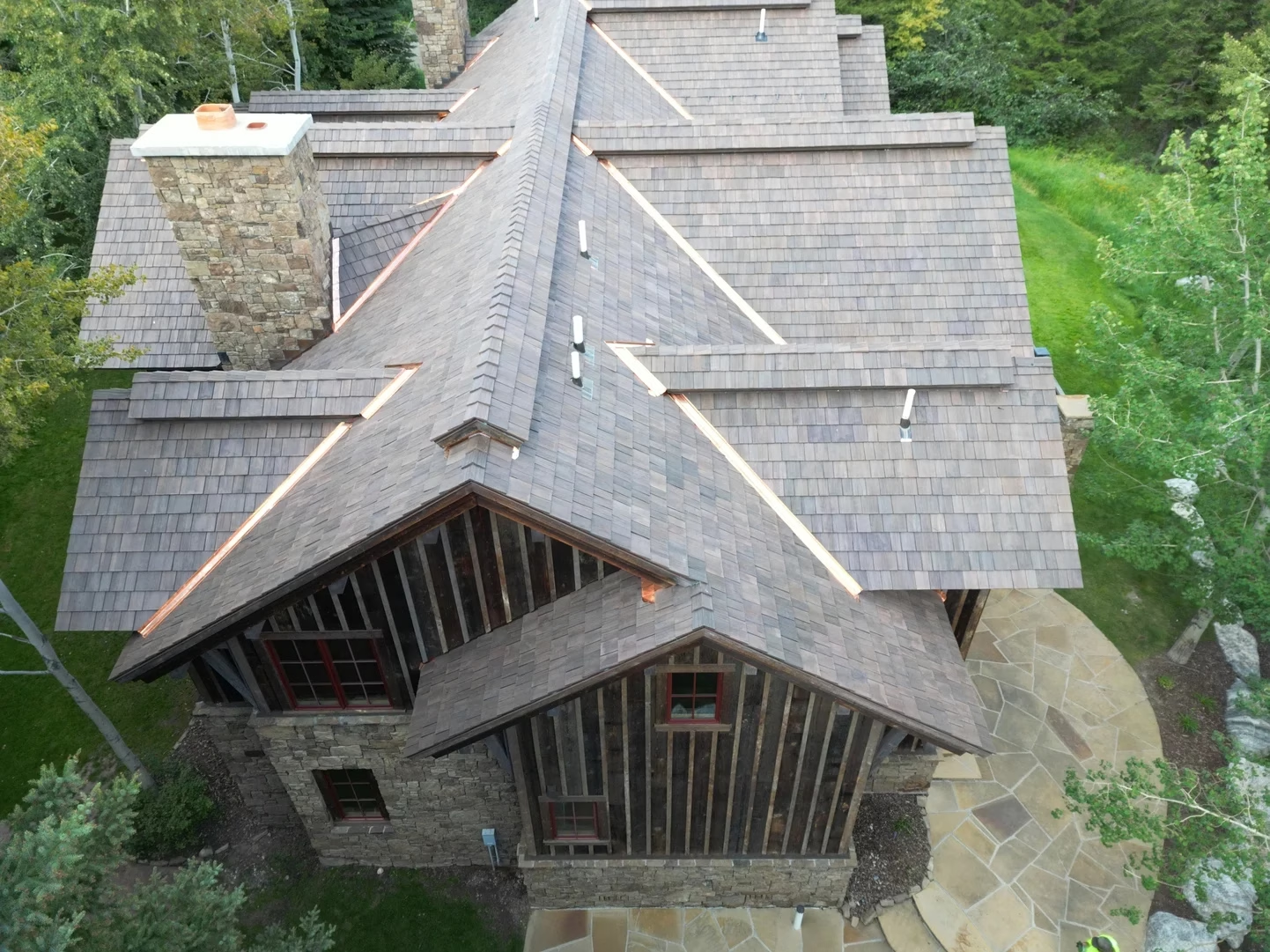
BRAVA Cedar Shake Roofing Tile
Cedar Shake Roofing Tile BRAVA Cedar Shake Roofing Tile Realistic, true to life look of hand-split cedar shake, with the long-lasting durability of composite material. Synthetic Cedar Shake Roofing When searching for a cedar shake roof alternative, Brava’s synthetic shake roofing tiles should be at the top of your list. Our polymer shingles have all of the true to life
Read More
Frequently Asked Questions
Four Seasons Roofing brings generations of Amish craftsmanship to modern roofing needs. Since our founding, we've combined traditional work ethics with cutting-edge roofing technology to deliver superior results for every client. Our commitment to excellence has made us Central Virginia's trusted choice for all roofing needs
Contact Us For Your Residential Roofs Today!
Fill out the form below, and one of our customer representatives will reach out to you within 24 business hours.
or call us at