
Contact Us Today
posts
Virginia Roof Insurance Claims: Four Seasons Roofing’s 6-Step Guide
February 9, 2026

Dealing with roof damage after a storm is stressful enough without the added headache of navigating an insurance claim. Many homeowners in Virginia are unsure of where to start, what their policy covers, or how to ensure they receive a fair settlement.
Understanding the process is the best way to protect your investment. If your home has been hit by wind or hail, here is a step-by-step breakdown of how the insurance claim process works and how to get the most out of your coverage.
Step 1: Immediate Damage Assessment
After a storm, your first priority is safety. Once it is safe to go outside, perform a visual inspection from the ground. Look for missing shingles, dented gutters, or fallen debris.
Pro Tip: Take clear, time-stamped photos of any visible damage. This documentation is your most powerful tool when filing a claim.
Step 2: The Professional Inspection
Before calling your insurance company, it is often beneficial to have a trusted contractor perform a thorough inspection. A professional can identify “hidden” damage, like bruised shingles or compromised flashing, that an untrained eye might miss.
Whether you have Asphalt Shingle Roofing or a more complex system, our experts can provide a detailed report to support your claim.
Step 3: Filing the Claim
Once damage is confirmed, contact your insurance provider to start the claim. You will be assigned a claim number and a dedicated adjuster.
What to have ready:
- Your policy number.
- The date and time the storm occurred.
- Photos and your contractor’s initial assessment.
Step 4: The Adjuster’s Meeting
The insurance company will send an adjuster to inspect the roof and determine the “scope of work.” We highly recommend having your roofing contractor present during this meeting. This ensures the adjuster sees every piece of damage and understands the local costs for a proper Roof Replacement.
Step 5: Understanding Your Settlement (ACV vs. RCV)
Your payout depends on the type of policy you have:
- Actual Cash Value (ACV): Pays the depreciated value of your roof based on its age.
- Replacement Cost Value (RCV): Covers the full cost of a new roof (minus your deductible).
If you are upgrading materials, for example, switching to Metal Roofing or Slate Roofing, you may need to cover the price difference out-of-pocket if your policy only covers “like-kind” materials.
Step 6: Completing the Project
Once the claim is approved, you can move forward with the repairs or replacement.
- Cedar Shake Roofing: Requires specialized installation that your insurance should account for.
- All Roofing Solutions: Ensure your claim covers the specific membrane systems required for these surfaces.
Confused by the fine print? Let us help. We work with all major insurance carriers to ensure Virginia homeowners get the coverage they deserve.
Why Schedule a Call?
Popular Insights
Can a New Roof Lower Your Virginia Energy Bills? What to Expect by Material and Season
Oct. 21, 2026
Filing a Roof Damage Insurance Claim: A Virginia Guide
Oct. 09, 2026
How to Choose a Roofing Contractor in Virginia: 6 Questions That Separate Professionals from Fly-by-Nights
Oct. 02, 2026
New Roof Installation in Lynchburg, VA: What Homeowners Can Expect from Estimate to Final Day
Sep. 25, 2026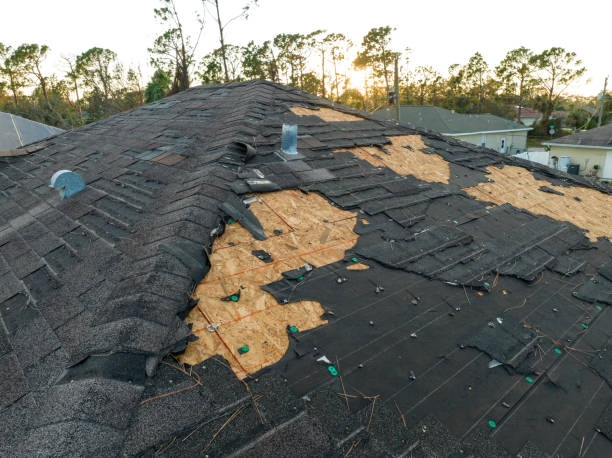
Storm Damage Roofing in Central Virginia: What to Do in the First 24 Hours After Your Roof Is Hit
Sep. 23, 2026Topics
Our Services
- Gutter Services
- Storm Damage Roofing
- Commercial Roofing Service
- BRAVA Cedar Shake Roofing Tile
- Insurance Claim Assistance
- Residential Roofing Services
- Roof Inspection Services
- Roof Repair Service
- Roof Replacement Service
- Shingle Roofing Service
- Metal Roofing Service
- Emergency Roof Repair Services
- BRAVA Spanish Tile
- BRAVA Slate Tile